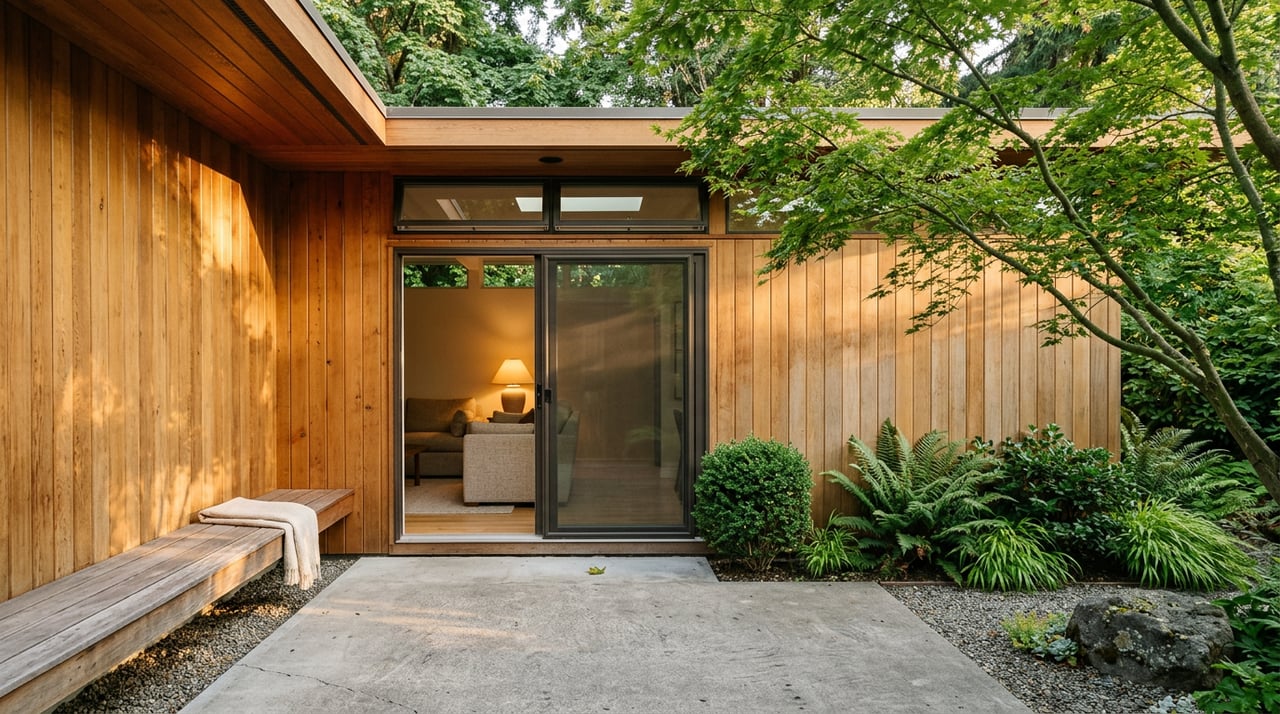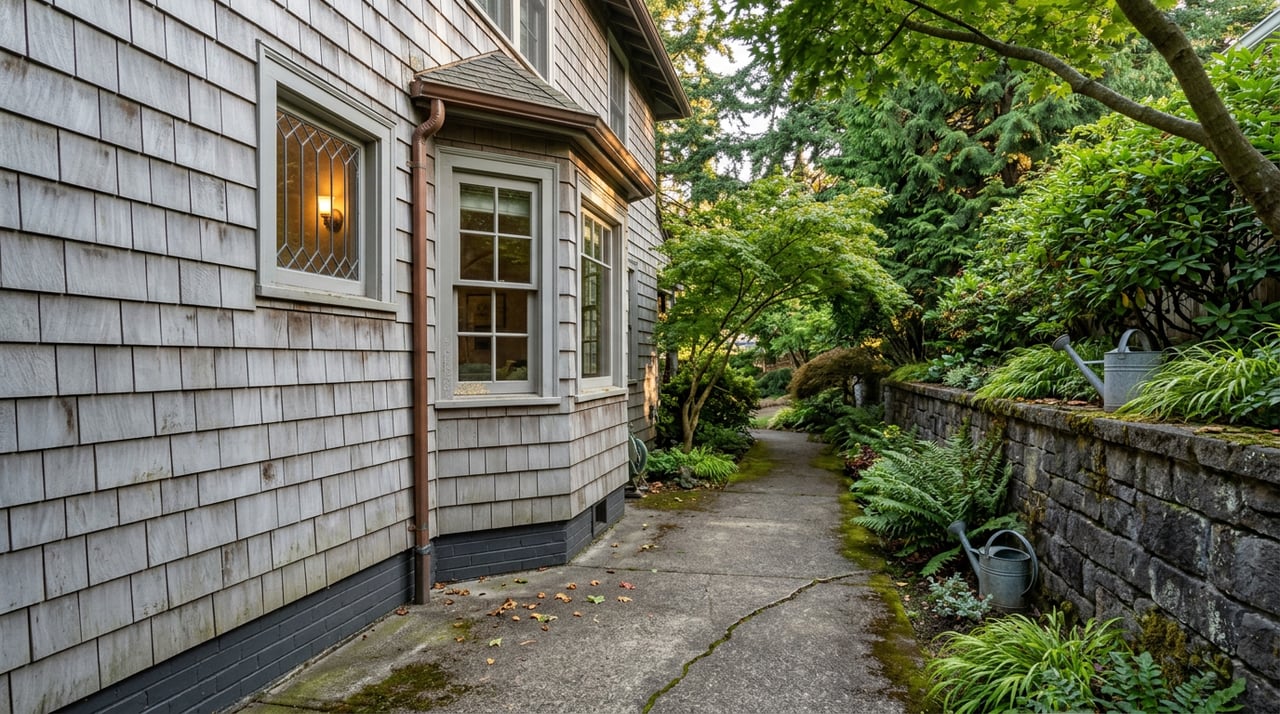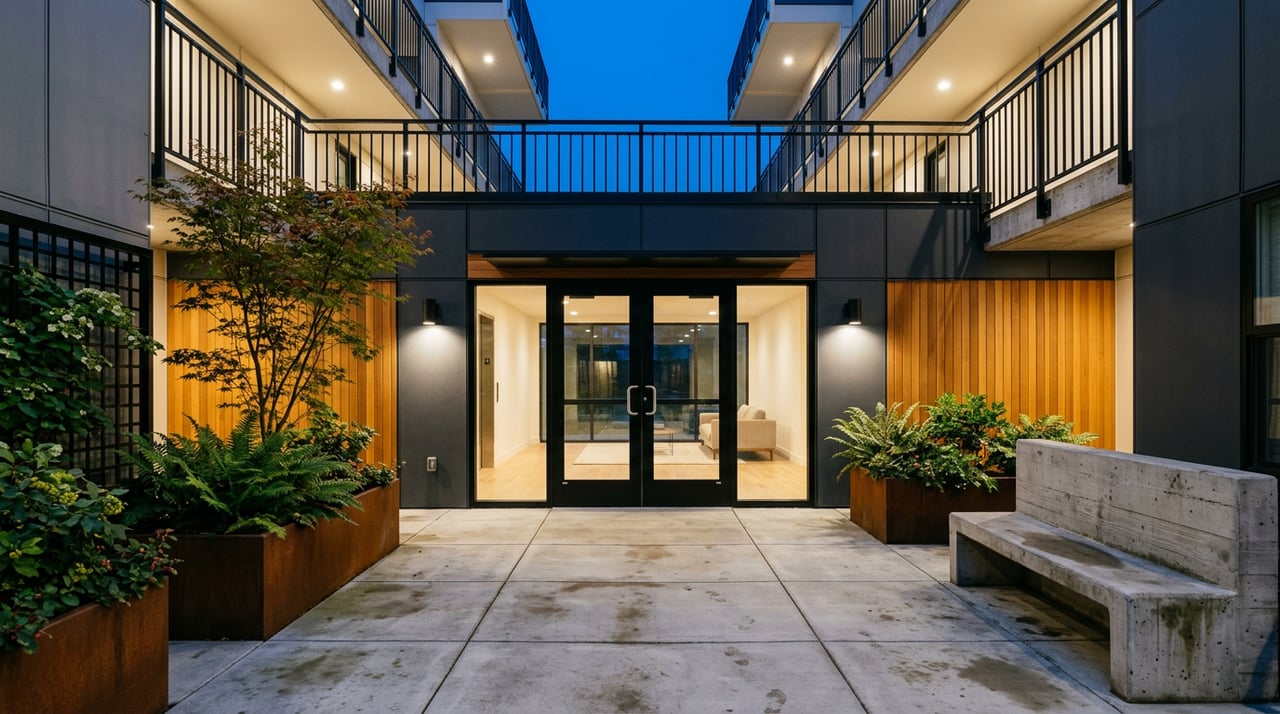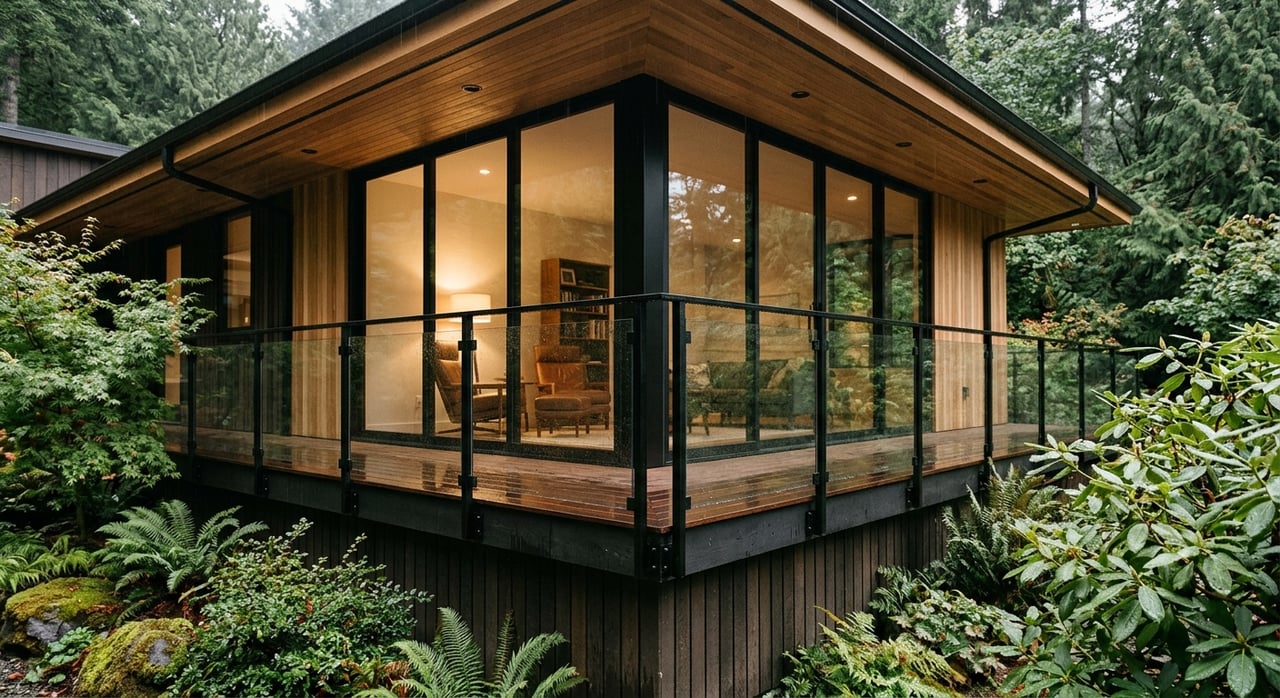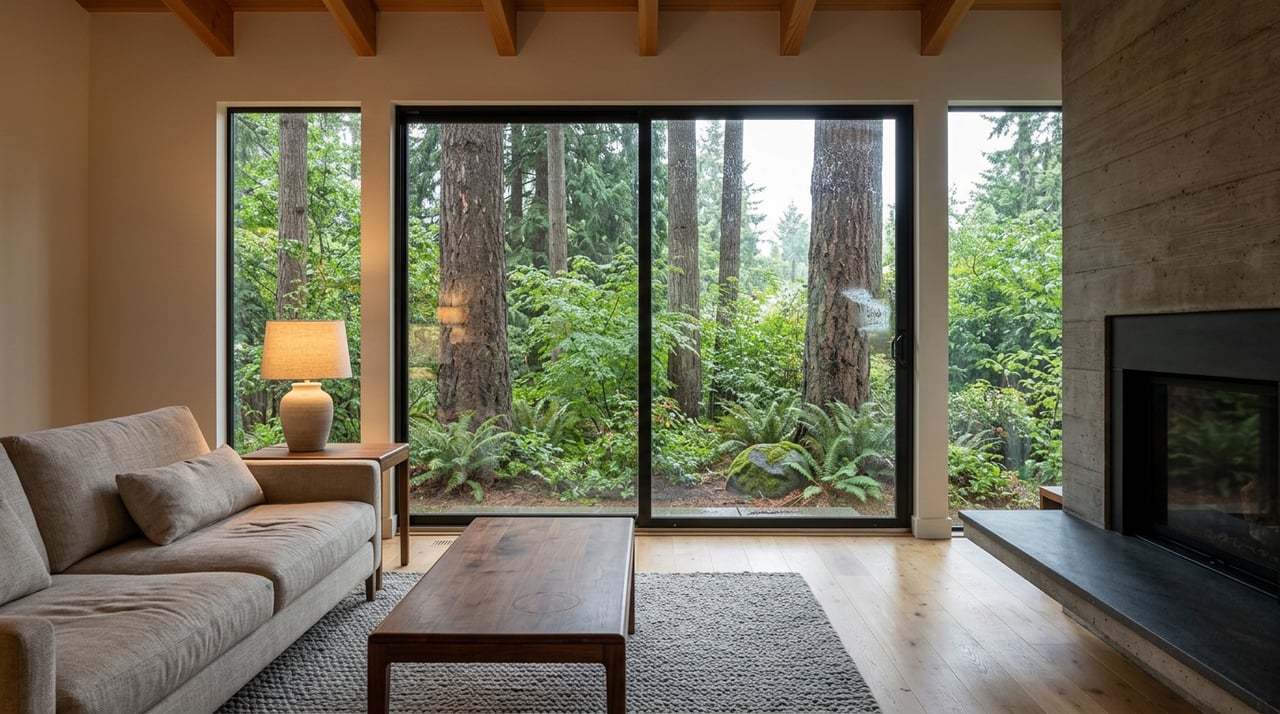
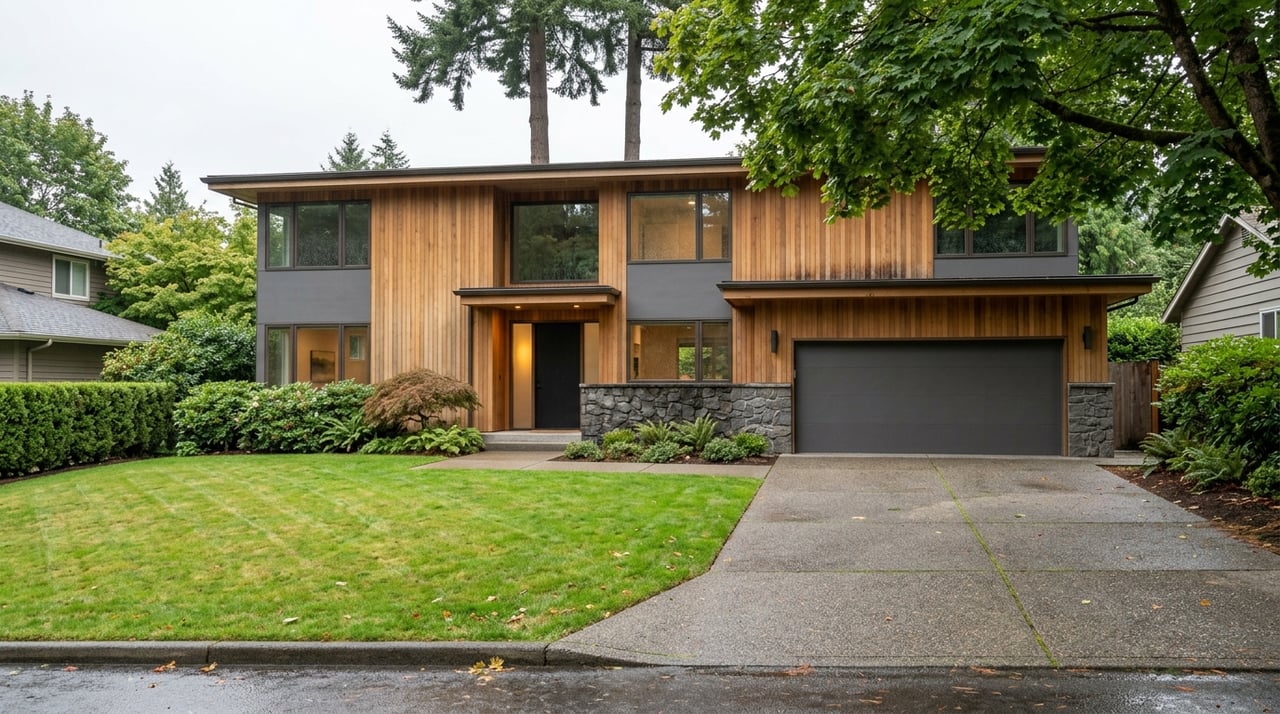
If you have been watching Bellevue prices and wondering why West Bellevue seems to play by different rules, you are not imagining it. This part of the city sits in a distinct price tier, and that can change how you should think about timing, pricing, and expectations. Whether you are planning to buy, sell, or simply track your home’s value, understanding how West Bellevue fits into the broader Eastside market can help you make a smarter move. Let’s dive in.
Where West Bellevue Fits
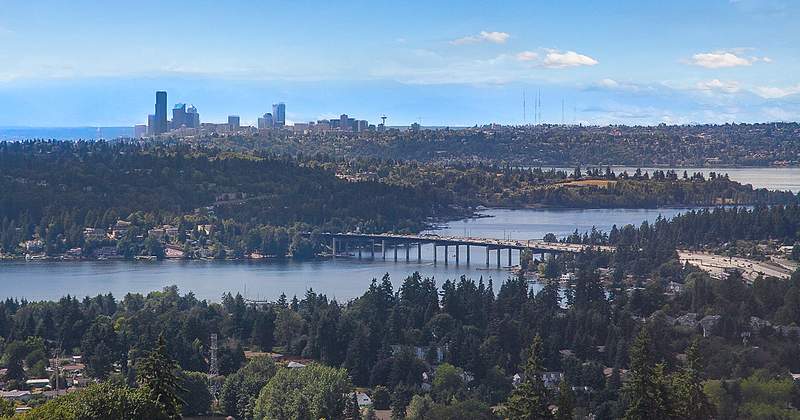
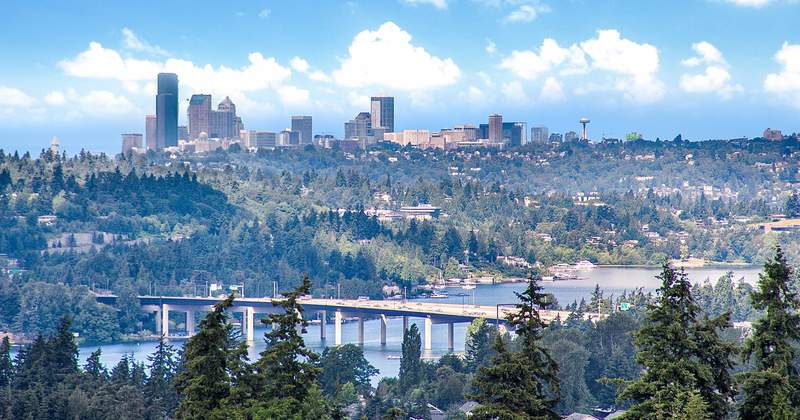
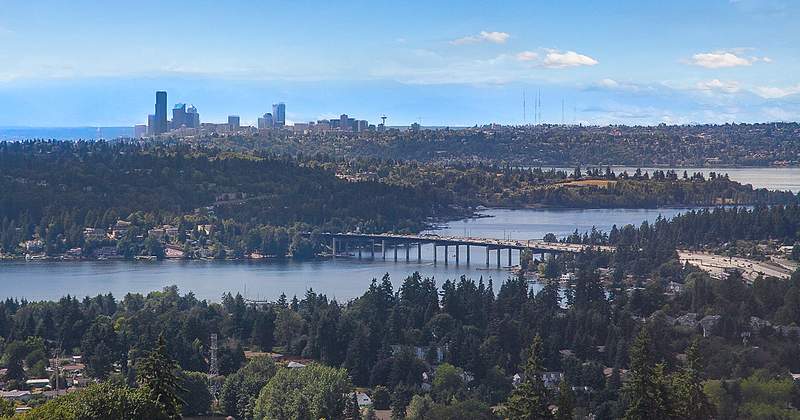
West Bellevue is a specific part of Bellevue with clearly defined geography. The City of Bellevue describes West Bellevue as south of Downtown Bellevue, west of I-405, and north of I-90, with established neighborhood areas that border Lake Washington and the Mercer Slough.
That location helps explain why values tend to run high. West Bellevue combines limited land supply, established streets, access to downtown Bellevue, and proximity to the South Bellevue light rail station. According to the city’s neighborhood profile, the area includes 3,947 housing units and subareas such as Enatai, Bellecrest, Surrey Downs, Killarney Circle, and Meydenbauer Point.
West Bellevue vs. Eastside Prices
The biggest headline is simple: West Bellevue sits well above the broader Eastside market on detached home values. In the 2025 Greater Eastside annual single-family report, the Eastside’s median sale price was $1,599,000, while West Bellevue’s median was $3,688,000.
The gap is just as clear when you look at price per square foot. The same report shows the Eastside averaging $688 per square foot, while West Bellevue averaged $1,153 per square foot. That is a major premium, and it places West Bellevue in a very different segment from the typical Eastside single-family market.
How West Bellevue Compares Nearby
West Bellevue also stood above other well-known Eastside markets in that annual report. Mercer Island posted a median sale price of $2,550,000, Kirkland came in at $2,100,000, and East Bellevue was $1,650,000. West Bellevue ranked highest at $3,688,000.
That does not mean every home in West Bellevue sells at the same level. It does mean the neighborhood consistently functions as a premium submarket, not just another Bellevue zip code with slightly higher prices.
West Bellevue vs. Bellevue Overall
Looking only at Bellevue citywide can blur the picture. Redfin’s Bellevue market data shows a median sale price of $1.575M in February 2026, while a separate March 2026 Bellevue market update reported a citywide median sales price of $1.635M.
That puts Bellevue overall well below West Bellevue’s detached-home benchmark. So if you are selling in West Bellevue, citywide averages may understate your home’s market position. If you are buying there, citywide numbers may also give you unrealistic expectations about price and competition.
Why Price Bands Matter
Bellevue’s market is not moving at one uniform speed. A March 2026 Bellevue market update found that the $1.45M to $1.849M resale range was among the fastest-moving segments, while the $2.15M and above range had more inventory and more selective buyer behavior.
That matters because West Bellevue detached homes often live in the higher segment. In practical terms, many West Bellevue listings are competing in a market where buyers have more choices, take more time, and negotiate more carefully.
Why West Bellevue Moves Differently
Higher prices are only part of the story. Market pace is also different, especially when you compare West Bellevue to Bellevue overall.
Redfin’s West Bellevue neighborhood snapshot reported a median sale price of $2.85M in February 2026, with homes taking an average of 95 days on market and selling at 97.7% of list price. That is much slower than Bellevue citywide, where Redfin showed homes selling in about 10 days with a 99.5% sale-to-list ratio.
A January 2026 West Bellevue snapshot from RSIR’s local market trends showed a $1.9M median sales price, 65 days on market, and 98% of asking price. But that report also showed only 10 total sales and a mix of property types, which makes monthly medians less reliable on their own.
Luxury Segments Tend to Be More Selective
This is the key takeaway: West Bellevue behaves more like a luxury market than the Bellevue average. Buyers are still active, but they are more selective at higher price points, and homes often take longer to sell.
That does not signal weakness. It signals a more segmented market where condition, pricing, location within the neighborhood, lot quality, and view potential can have an outsized impact on the outcome.
The Eastside Context in 2026
West Bellevue is not operating in a vacuum. The broader Eastside market has become more inventory-rich, which affects buyer leverage and seller strategy.
According to a March 2026 Eastside market update from Windermere Bellevue Commons, the Eastside’s February 2026 median single-family price was down 7% year over year to $1,566,782, while active listings were up 58% year over year and pending sales were flat. That points to a market with more options for buyers and more variation by property type and price point.
For West Bellevue, this wider context matters because premium pricing alone is not enough. In a market with more inventory, buyers can compare homes more carefully, and sellers need stronger positioning to stand out.
Why Product Mix Can Skew the Numbers
One reason West Bellevue can be tricky to read is that it is not made up of only one property type. The RSIR January 2026 West Bellevue snapshot showed 63 total residential properties available, including 24 single-family homes and 38 condominiums.
That means one month’s median can shift depending on what actually sold. A month with more condos will look different from a month dominated by higher-end detached homes. So if you are trying to estimate value, broad neighborhood medians should be a starting point, not the final answer.
What Sellers Should Take From This
If you own a home in West Bellevue, the data supports a balanced message. Your neighborhood still commands a significant premium, but that does not mean every listing will move quickly or sell like a Bellevue citywide average.
Today, sellers are likely to benefit most from three things:
- Pricing within the right submarket, not just against broad Bellevue averages
- Preparing the home carefully so it competes well in a selective luxury-leaning segment
- Planning for a longer marketing window than you might expect from citywide Bellevue headlines
This is where process matters. In a segmented market, overpricing can cost time and leverage, while underpreparation can push buyers toward better-presented alternatives.
What Buyers Should Take From This
If you are comparing West Bellevue with other Eastside options, focus on the actual buying lane you are in. The difference between Bellevue overall, the broader Eastside, and West Bellevue is large enough to change your budget strategy, competition level, and negotiation approach.
It also helps to compare homes by property type and price band. A condo in West Bellevue and a detached home in West Bellevue are not participating in the same market in the same way. The same is true when comparing West Bellevue with Mercer Island, Kirkland, or East Bellevue.
A Practical Way to Read West Bellevue Values
The simplest way to think about West Bellevue is this: it remains one of the Eastside’s premium housing markets, but it is not a market where headlines alone tell the full story. The combination of limited land, established neighborhoods, and higher-end pricing keeps values elevated, while the upper-tier buyer pool tends to move more deliberately.
If you are preparing to sell, buy, or make a move in the next 6 to 24 months, you will get the clearest picture by looking at your specific property type, condition, location, and price band. That kind of market reading is where strong preparation and disciplined negotiation can make a real difference. If you want help evaluating where your home or target property fits, Mary Lee & Associates can help you build a clear strategy. Schedule a free consultation.
FAQs
How do West Bellevue home values compare to the overall Eastside market?
- West Bellevue sits well above the broader Eastside market, with the 2025 Greater Eastside annual single-family report showing a $3,688,000 median sale price in West Bellevue versus $1,599,000 across the Eastside.
How do West Bellevue home values compare to Bellevue overall?
- West Bellevue detached-home values are significantly higher than Bellevue citywide medians, which were reported at $1.575M in February 2026 by Redfin and $1.635M in a March 2026 Bellevue update.
Why do West Bellevue homes often take longer to sell than Bellevue homes overall?
- West Bellevue tends to behave more like a luxury market, where buyers are more selective and higher price points usually bring longer marketing times and more negotiation.
Does West Bellevue include both houses and condos?
- Yes. A January 2026 West Bellevue market snapshot showed 24 single-family homes and 38 condominiums on the market, which means neighborhood-wide median prices can shift based on product mix.
What should West Bellevue sellers focus on in today’s market?
- Sellers should focus on accurate submarket pricing, strong preparation, and realistic timing because West Bellevue’s premium segment is more selective than Bellevue’s faster-moving citywide average.
What should buyers know before shopping in West Bellevue?
- Buyers should compare homes by property type and price band, not just by neighborhood name, because West Bellevue often operates in a higher and slower-moving segment than nearby Eastside markets.