Imagine trading weekend yard work for a short stroll to coffee, the bookstore, and dinner. If you’re weighing a condo in Mercer Island’s Town Center against a single‑family home elsewhere on the Island, you’re not alone. In this guide, you’ll learn how Town Center living really works day to day, the key pros and cons, transit and parking basics, and a simple checklist to help you decide. Let’s dive in.
Town Center at a glance
Town Center is Mercer Island’s compact commercial core with mixed‑use buildings, local shops and restaurants, and frequent community activity. It’s where you’ll find most of the Island’s condo buildings, several rental communities, and a few townhomes, all within a pedestrian‑friendly grid near the north end of the Island. For a helpful neighborhood overview, see this local guide to Downtown Mercer Island.
Everyday anchors include independent favorites like Island Books, neighborhood restaurants and wine bars, studio fitness options, and nearby parks. The result feels small‑town and convenient, with much of what you need close at hand.
What the buildings are like
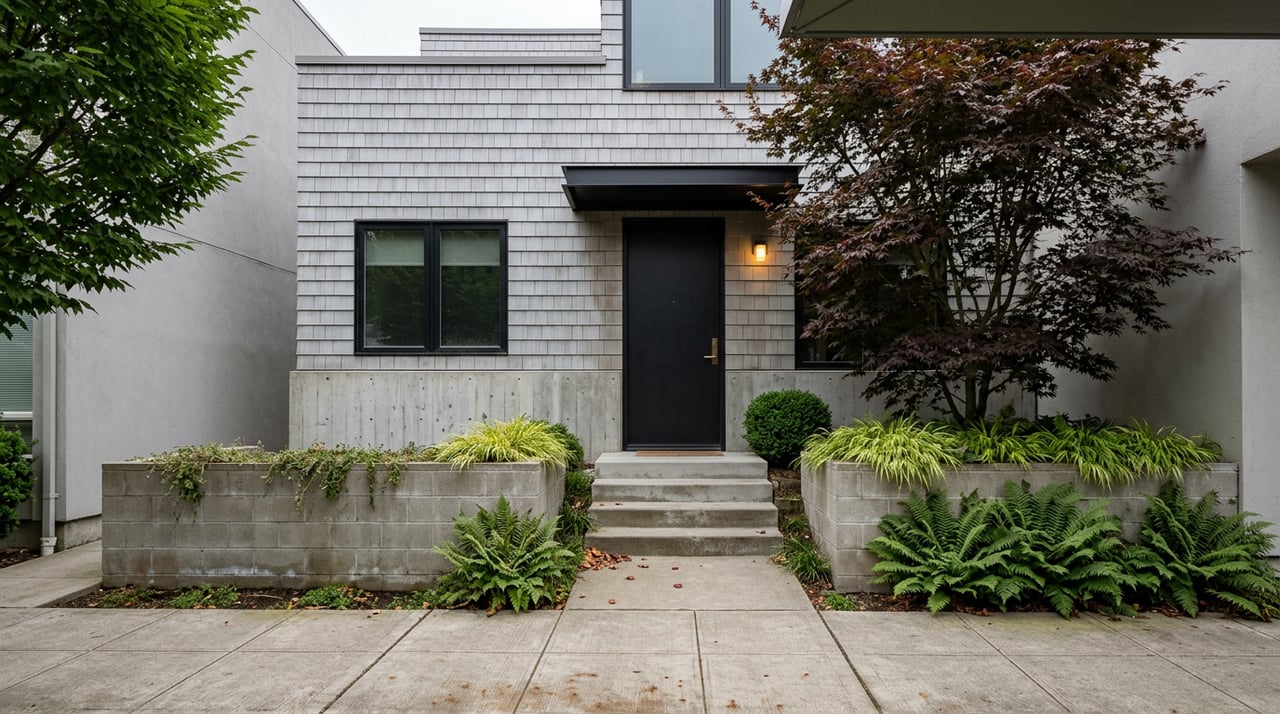
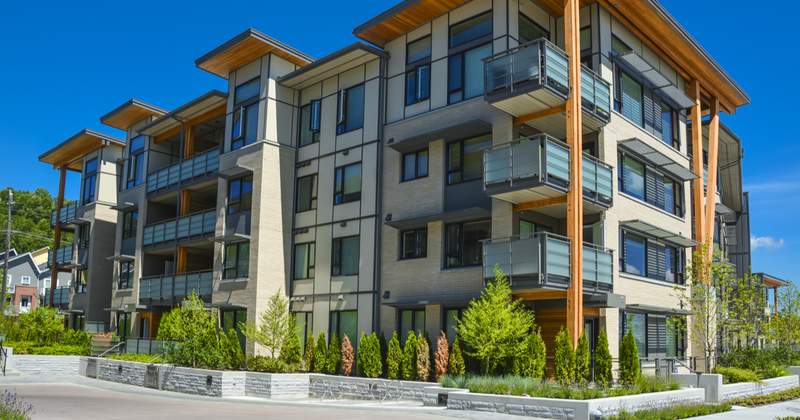
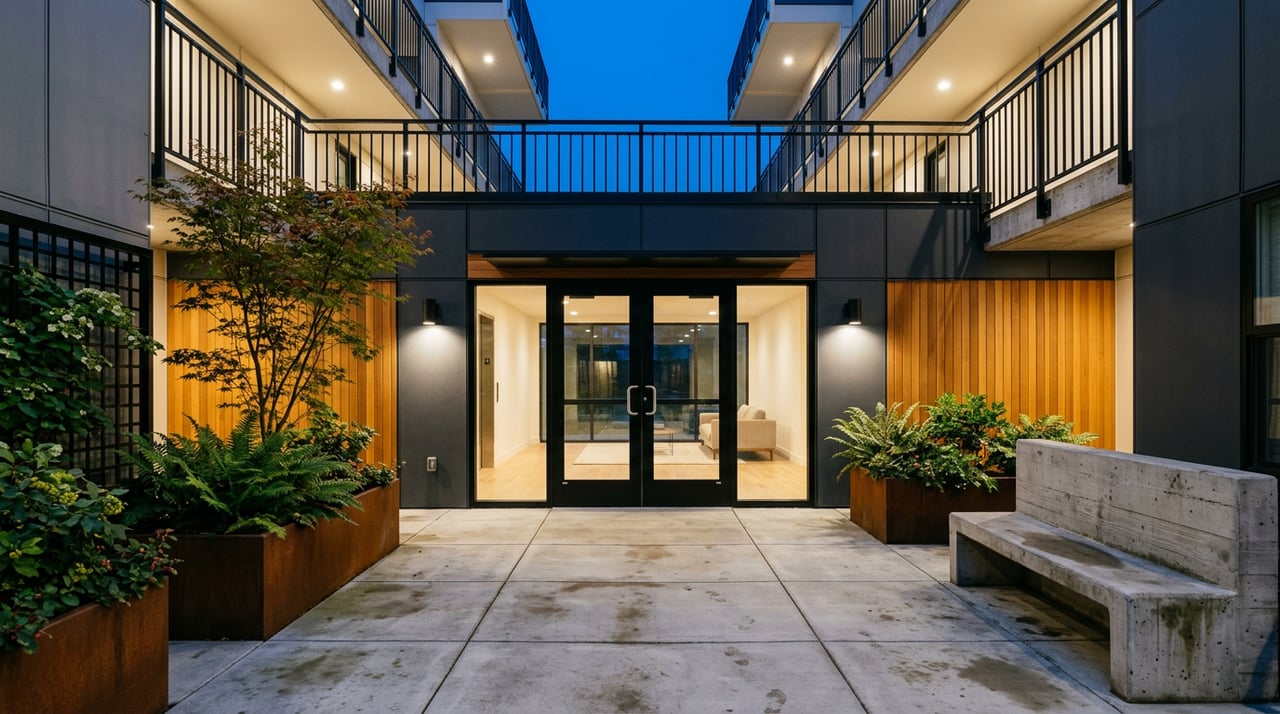
Expect a mix of mid‑rise, mixed‑use condo buildings with retail at street level and homes above, smaller garden‑style condos, and a handful of cluster townhomes. Several properties date from the last 20 to 30 years, with some older complexes offering simpler finishes at generally lower price points. You’ll also see senior‑living communities in the area, providing elevator access and one‑level options for those who want them.
For many residents, the appeal is a “lock and leave” lifestyle. Associations typically handle exterior maintenance and common areas, which reduces your personal upkeep. If that convenience is high on your list, pay close attention to HOA scope and reserves, since those shape services and long‑term costs.
Cost context and value
Town Center condos and townhomes often provide a lower entry point than most single‑family homes on Mercer Island. Market snapshots change quickly, and unit‑level differences are significant, so use current, dated stats when you make decisions. Ask for a live, time‑stamped market read before you act, and compare total monthly housing cost, including HOA dues.
Everyday ease: walkability and parks
The downtown core rates as “Very Walkable,” with a Walk Score in the low 80s in central locations. That usually means groceries, coffee, pharmacy, and fitness are a short walk away, which can simplify your weekday routines. Check the Walk Score for a central Town Center point to get a feel for errands without a car.
Nearby green spaces like Mercerdale Park and the I‑90 lid at Aubrey Davis Park add breathing room and outdoor options. Seasonal events, including the Mercer Island Farmers Market, contribute to the neighborhood feel and help you connect with local businesses.
Commuting and parking, simplified
The Mercer Island Park & Ride on North Mercer Way is a major hub for regional bus connections and a focal point for future light‑rail transfers. The facility includes roughly 447 stalls, with on‑street and private lot rules nearby. Review the City’s “Getting Around” page for Park & Ride details and the Town Center parking plan to set expectations for resident and visitor parking. Start here: City of Mercer Island — Getting Around.
Light rail via Sound Transit’s East Link is the region’s long‑term shift for I‑90 commutes. As of early 2026, official pages outline phased openings and target windows. Timelines have changed before, so check the Sound Transit East Link page and recent local reporting, such as the Mercer Island Reporter’s note on a projected 2026 opening, to stay current. See the latest update here: Mercer Island Reporter coverage.
Pros and cons for busy professionals
If your calendar is tight, Town Center can streamline life.
Pros
- Short walks to daily errands and dining help you reclaim time. Check the area’s Walk Score to verify locations you care about.
- Direct access to the Park & Ride and future light rail may reduce commute friction over time. See Sound Transit’s East Link overview for official milestones.
- Low exterior maintenance frees evenings and weekends for what matters most.
Cons
- Parking can be tight, especially for guests, and rules vary by building and block. Review the City’s Getting Around page before you buy.
- HOA dues and rules require a careful read to make sure costs and policies match your lifestyle.
- Private storage and outdoor space are typically more limited than in single‑family homes.
Decision checklist for professionals
- Do you have assigned parking, and are EV chargers available or planned?
- How is the building managed, and how responsive is the board or manager?
- What is your door‑to‑door commute today, and how might that change with East Link? Note the date when you check schedules.
- Do the amenities fit your routine, such as secure package delivery or an on‑site gym?
Pros and cons for downsizers
If you want less upkeep and more convenience, Town Center can be a strong match.
Pros
- Lock and leave convenience. HOAs often handle exterior maintenance, building systems, and landscaping, which supports lower‑stress living and travel.
- One‑floor homes and elevator access can make day‑to‑day movement simpler and support aging‑in‑place goals.
Concerns to review
- Assessments and reserves matter. Ask for the reserve study, budget, and recent meeting minutes to gauge financial health and any planned projects. Learn the basics of HOA responsibilities here: Community Associations Institute explainer.
- Storage, guest space, and hosting. Make sure a locker or on‑floor storage and guest parking meet your needs.
Decision checklist for downsizers
- When was the last reserve study update, and have there been special assessments?
- Is storage adequate for seasonal items and hobbies?
- Are pharmacies, clinics, and everyday services a short, comfortable walk for you?
Smart questions to ask at a showing
- What are the current monthly HOA dues and exactly what do they include?
- May I review the latest reserve study, current reserve balance, and any planned capital projects or special assessments?
- How are parking stalls assigned, how many guest spaces are there, and are nearby streets part of a restricted parking district? See the City’s Getting Around page for program context.
- What are the rental rules and any rental caps? Are short‑term rentals allowed?
- What is the pet policy, and does the building offer elevator access and single‑level options?
- Is there any pending litigation or recent legal action involving the association?
- What are typical noise or environmental considerations in this stack or building, including proximity to I‑90, parks, or construction? For park and mobility project updates, check the City’s public engagement portal: Aubrey Davis Park hub.
Score your fit in five minutes
Use a quick scoring tool to compare properties against your priorities. Rate each 0 to 10 and total the score.
- Commute: Today’s door‑to‑door time and future options.
- Walkability and errands: Proximity to your top 5 weekly stops.
- Maintenance and ease: HOA services plus in‑building conveniences.
- Cost: Mortgage plus HOA dues vs. your budget target.
- Future resale and development: Planned nearby projects, building financials, and policy changes.
Professionals might weight commute and walkability higher. Downsizers may weight maintenance and convenience more. Tie each score to a concrete checklist item so you can compare apples to apples.
Local changes to watch
- East Link timing and the bus network will continue to evolve. Present‑day schedules and projected times change, so verify at Sound Transit’s East Link page and through recent local coverage.
- Town Center planning and zoning discussions are active. Council actions and regional appeals can influence building heights, affordability requirements, and future development capacity. For a window into the policy conversation, see this overview from The Urbanist.
Ready to compare condos on your short list?
If Town Center condo living is on your radar, we can help you see the tradeoffs clearly, surface any HOA or building risks early, and position your offer to win without overpaying. Schedule a free consultation with Mary Lee & Associates.
FAQs
What is Mercer Island’s Town Center and where is it?
- Town Center is the Island’s main commercial and multifamily hub near the north end of Mercer Island, with mixed‑use buildings, shops, restaurants, and community services within a compact, walkable core.
How walkable is Town Center for daily errands?
- The downtown core rates as Very Walkable on Walk Score, and many residents can reach groceries, coffee, pharmacy, and fitness on foot within minutes.
What should I know about HOA dues and assessments in condos?
- Dues fund building operations and reserves; always review the budget, recent reserve study, and meeting minutes to spot planned projects or potential special assessments before you buy.
How will East Link light rail affect commuting from Town Center?
- East Link is expected to improve I‑90 corridor options over time, but opening windows have shifted; confirm the latest schedule and plan your commute based on current bus service in the interim.
How does parking work for residents and guests in Town Center?
- Parking varies by building, with a mix of assigned resident stalls and limited guest spaces, plus nearby City programs that manage commuter spillover; clarify your unit’s stall, guest options, and any local restrictions during due diligence.