If you want a Seattle neighborhood where daily life can include shoreline walks, old-growth forest, and a mix of classic homes and view properties, Seward Park deserves a close look. For many buyers, the challenge is figuring out whether the neighborhood offers the right balance of lifestyle, housing options, and access. This guide will help you understand what it’s like to live near Seward Park, what kinds of homes you may find, and what to keep in mind as you explore the area. Let’s dive in.
What Makes Seward Park Stand Out
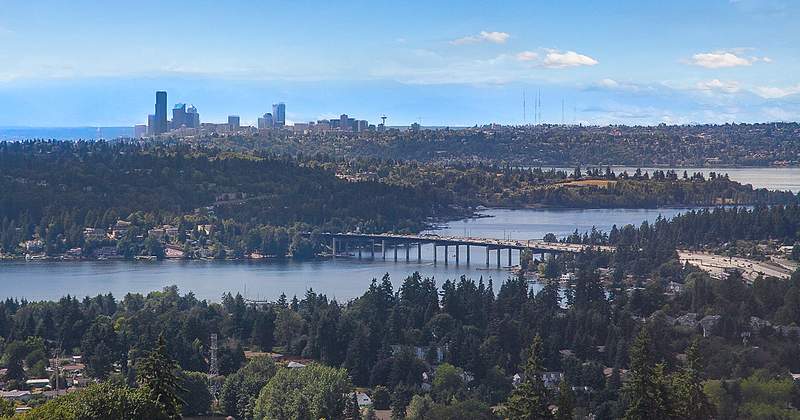
Seward Park sits in southeast Seattle and is closely tied to the park and peninsula that share its name. The neighborhood has a distinct natural setting, with Lake Washington as a defining feature and a residential feel that many buyers notice right away.
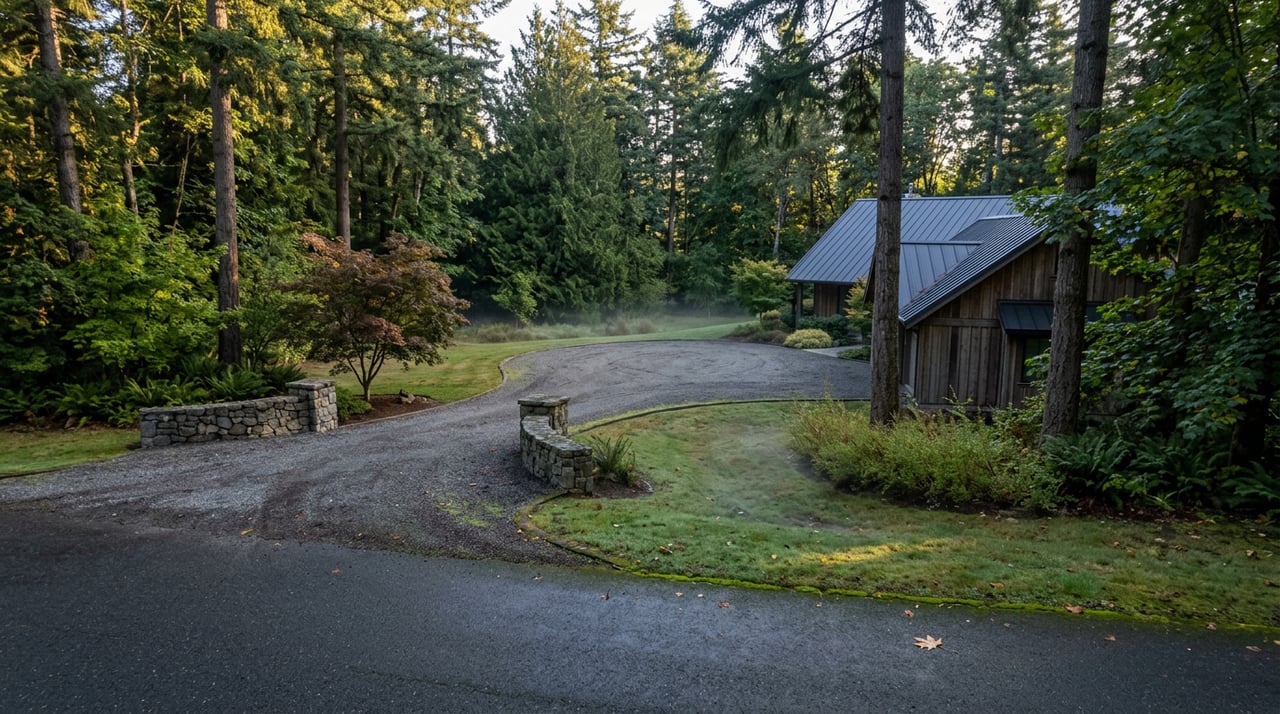
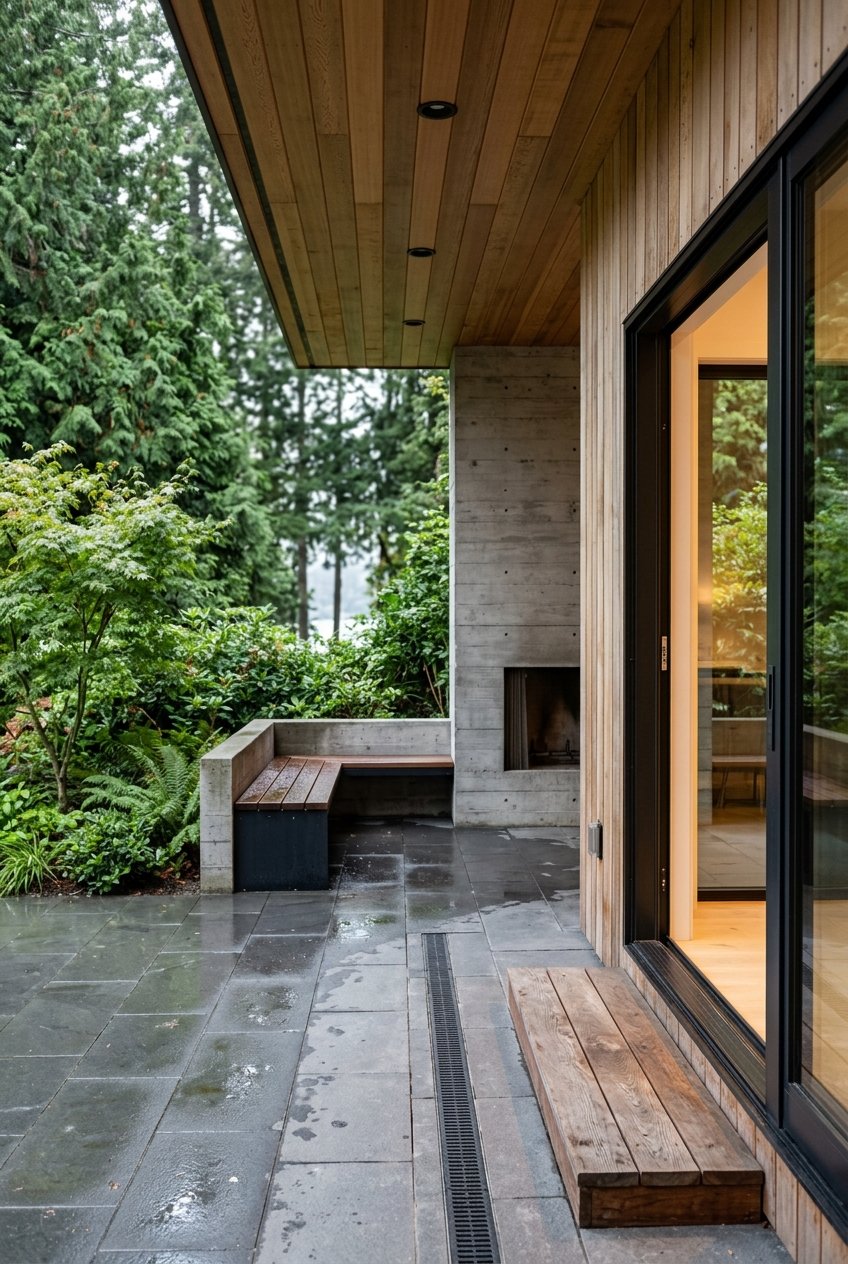
One of the biggest draws is the park itself. According to Seattle Parks, Seward Park spans 300 acres and includes old-growth forest, shoreline, beaches, a 2.4-mile bike and walking path, hiking trails, fishing piers, tennis courts, boat launches, an amphitheater, a native plant garden, and an art studio.
That mix of recreation and scenery shapes the neighborhood’s identity. It is not just a place near a park. It is a place where the park becomes part of your weekly routine.
Outdoor Life Near Seward Park
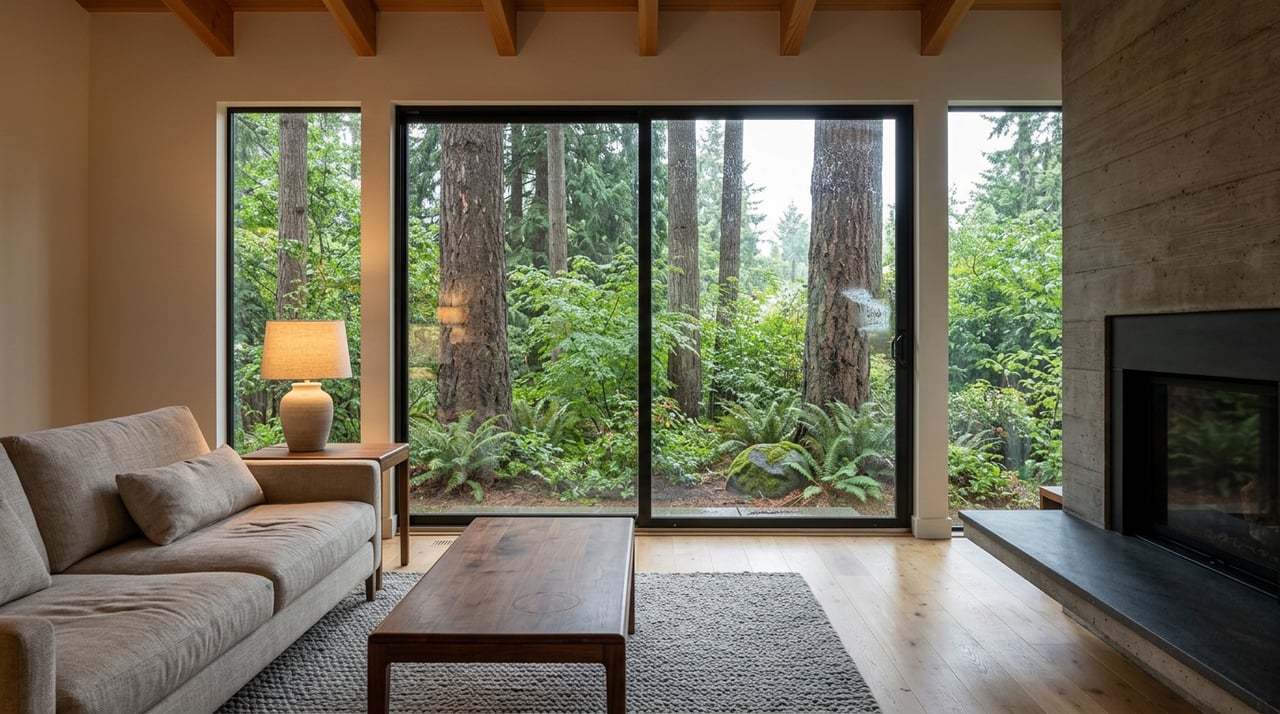
For many people, the biggest reason to consider this neighborhood is simple: access to nature feels immediate. You can be close to forested trails, lake views, and shoreline paths without leaving Seattle city limits.
Seattle Parks and Recreation noted in 2024 that Seward Park received the Green Flag Award and was also named an Urban Quiet Park by Quiet Parks International. The city highlighted the park’s trail system, community partnerships, and welcoming atmosphere.
If you enjoy walking, running, or biking, Lake Washington Boulevard adds another layer to daily life here. During scheduled weekends, the city’s long-running Bicycle Weekends program closes part of the boulevard between Mount Baker Beach and the Seward Park entrance to through traffic, creating more space for people to stroll, jog, and ride.
Homes and Housing Styles
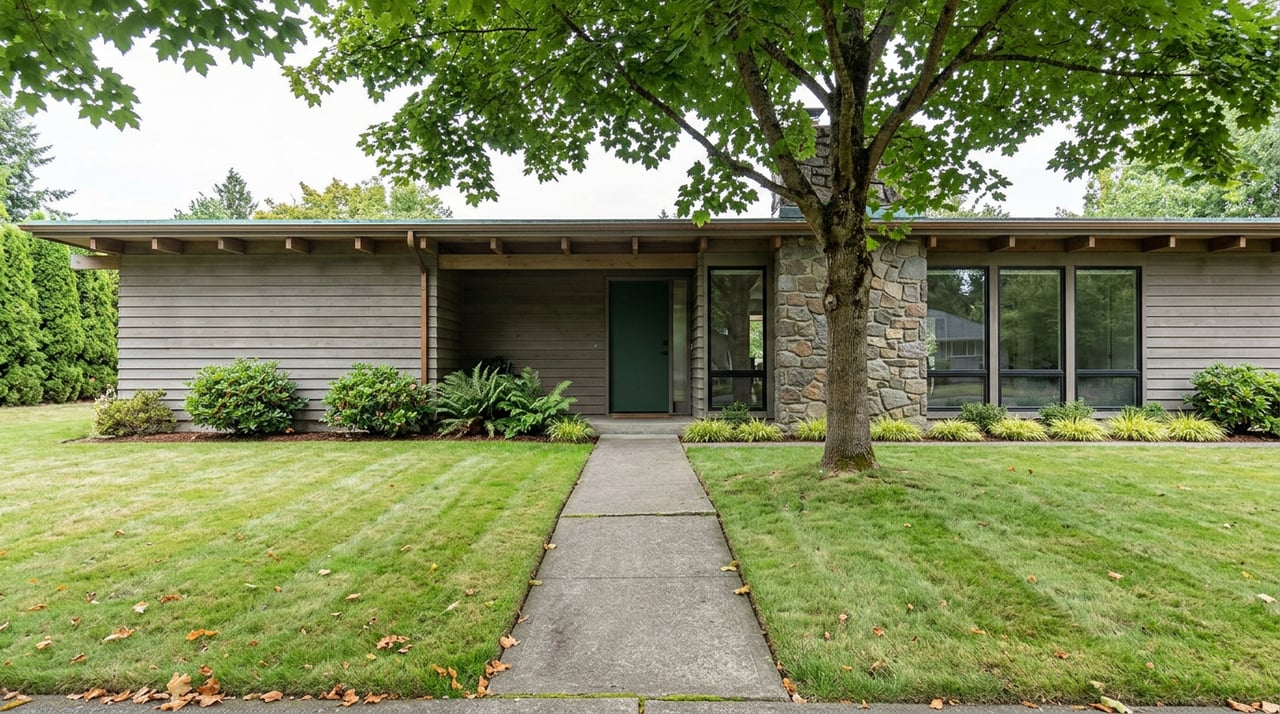
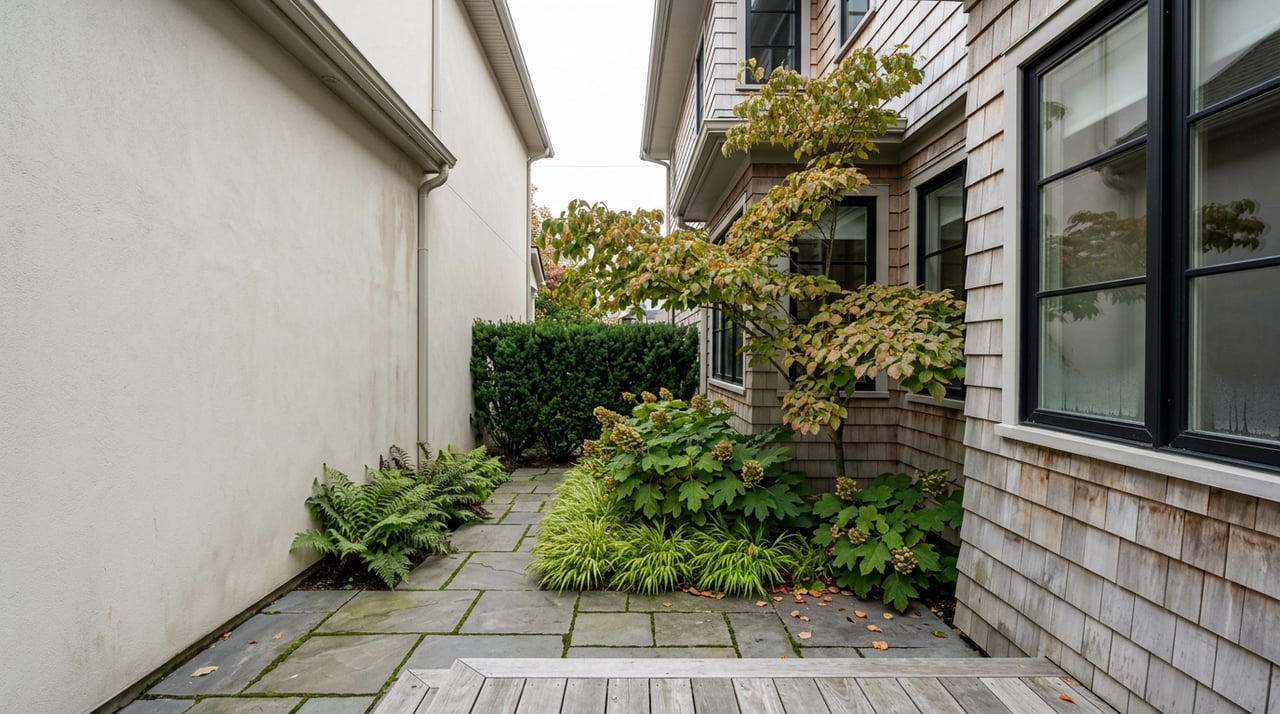
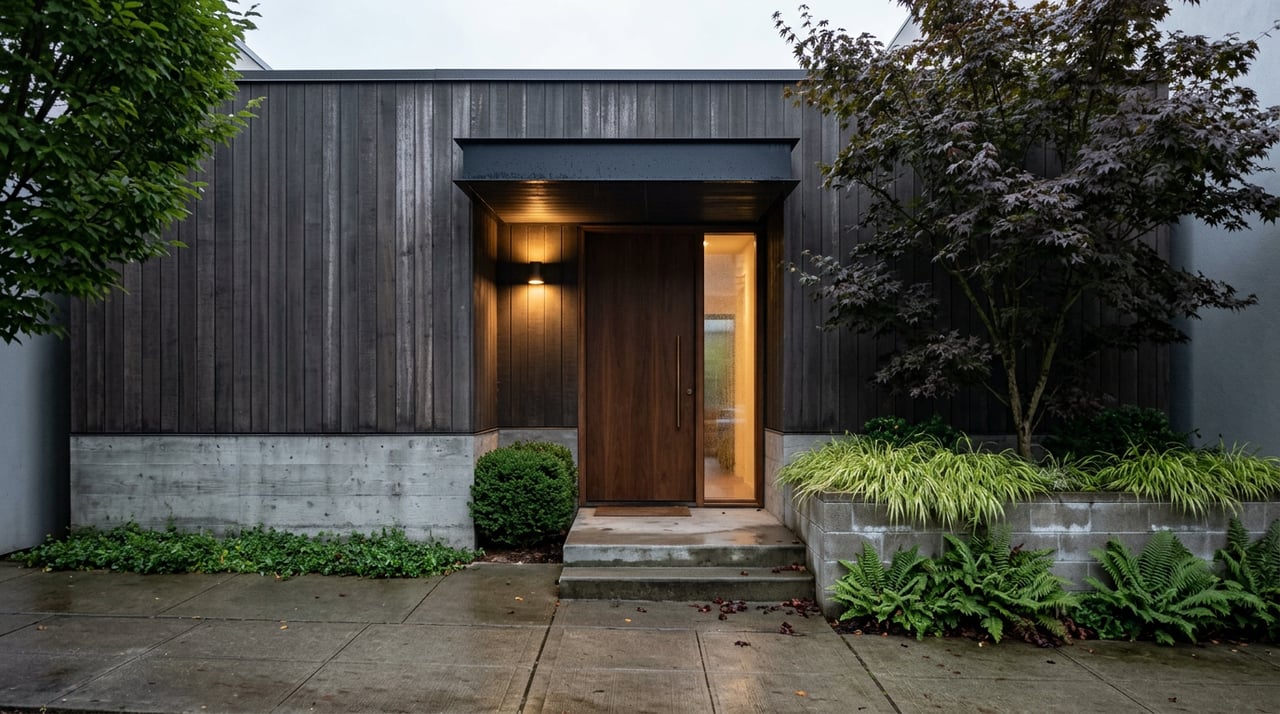
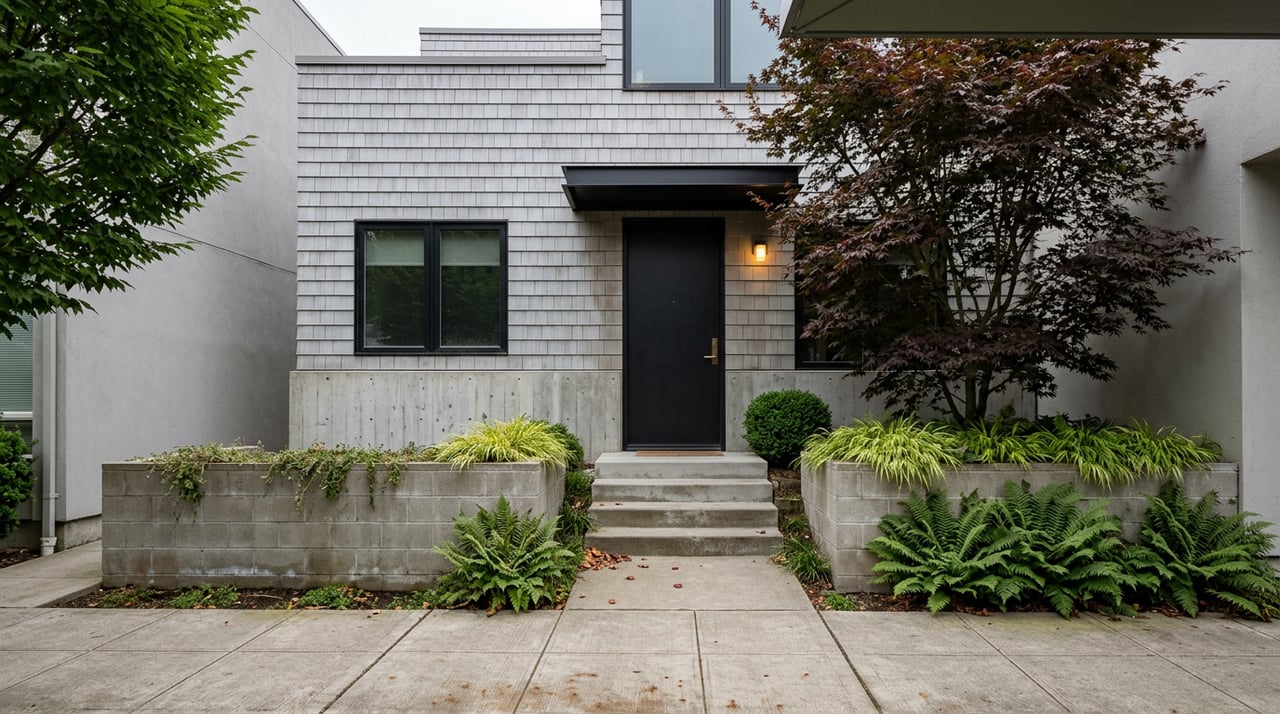
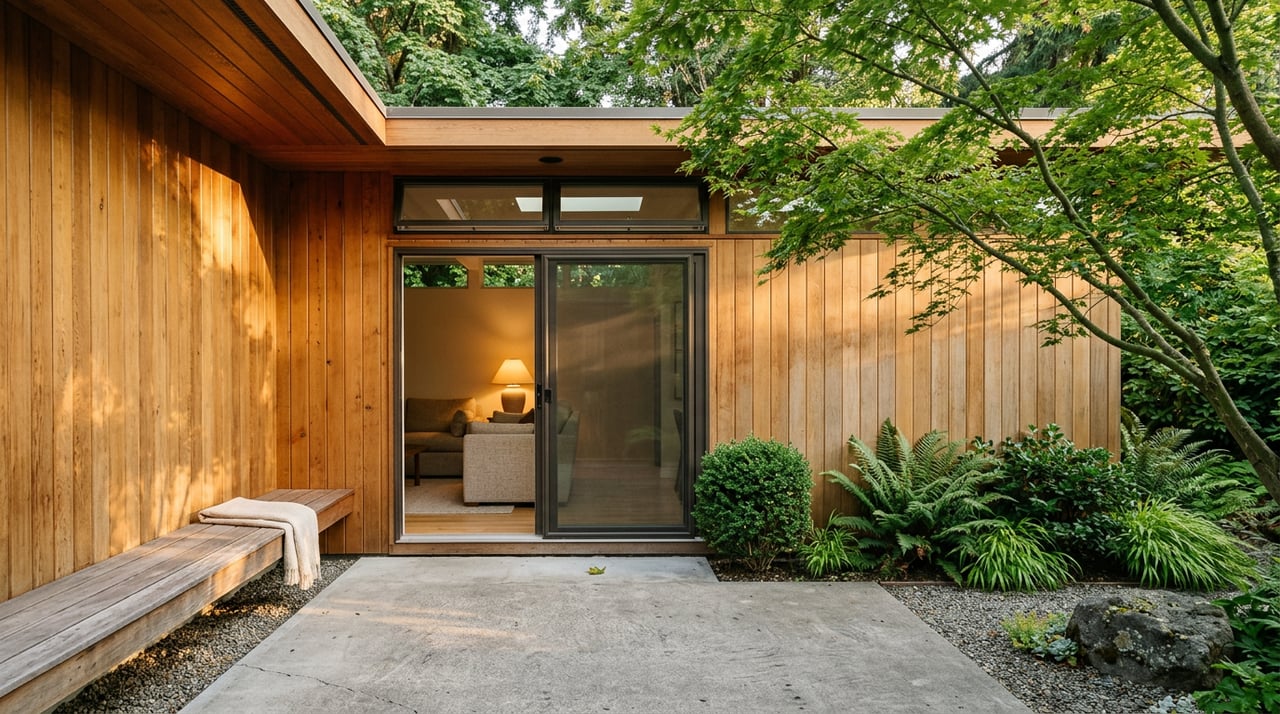
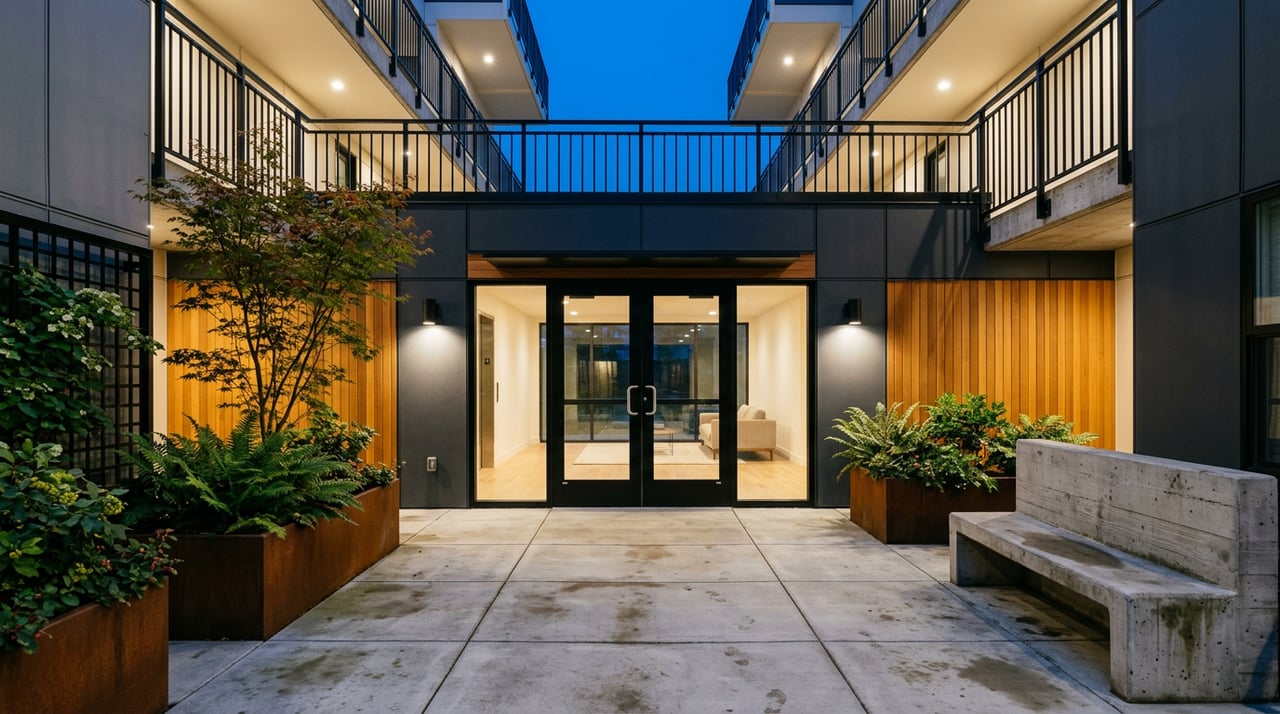
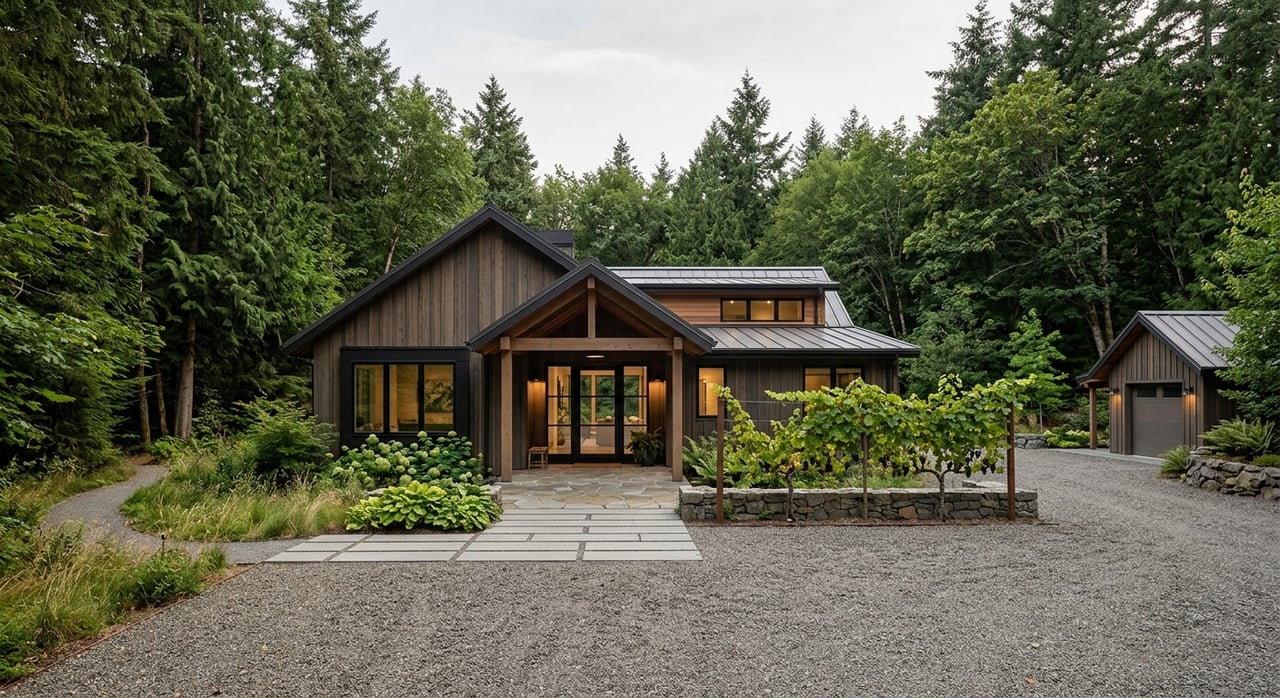
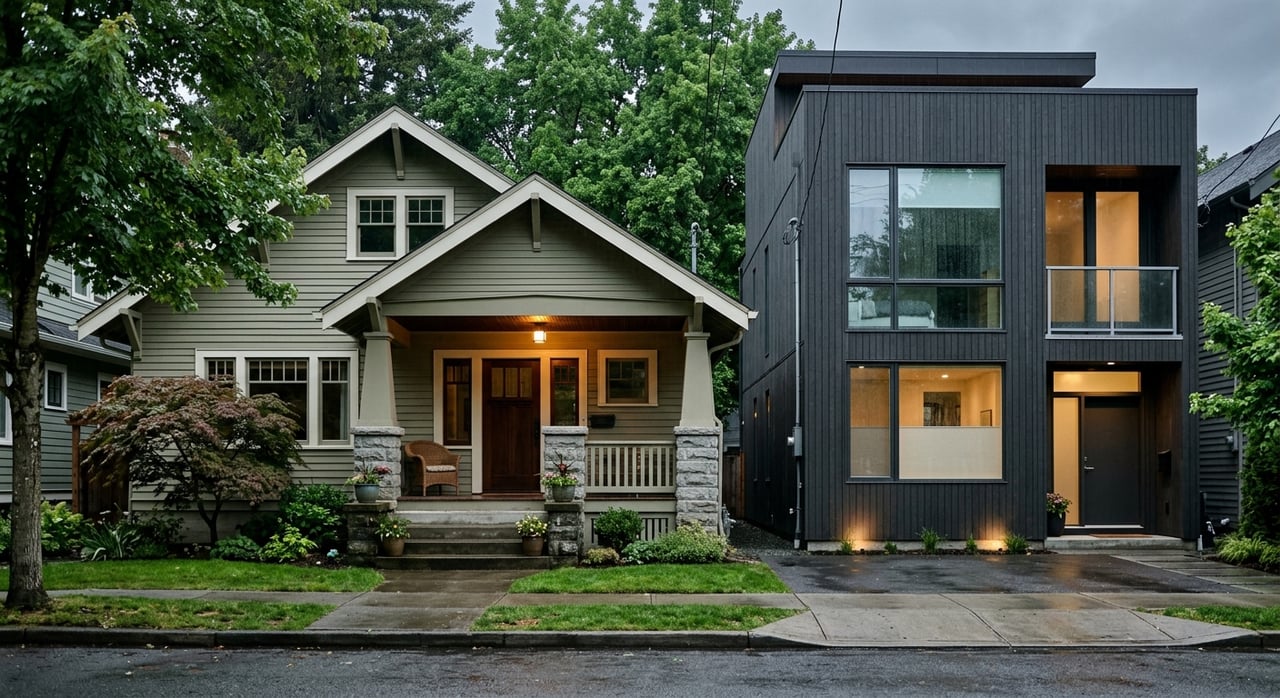
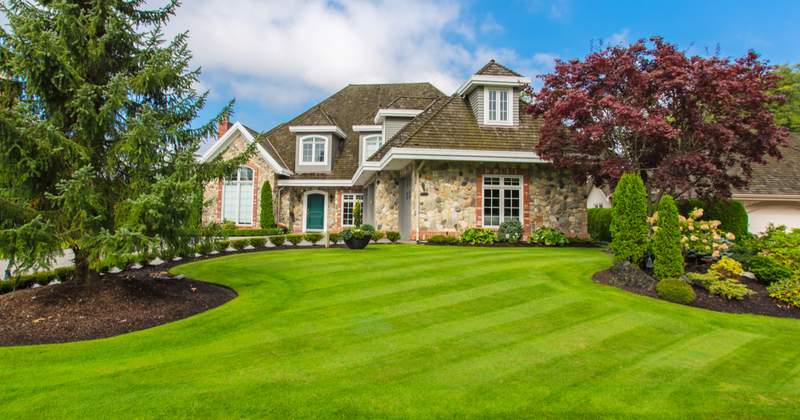
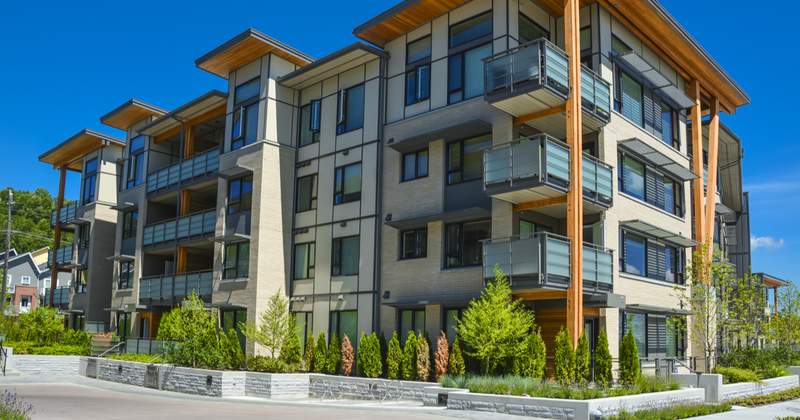
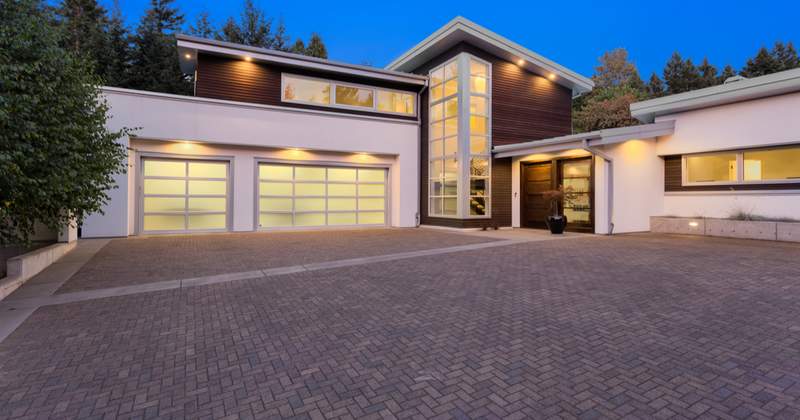
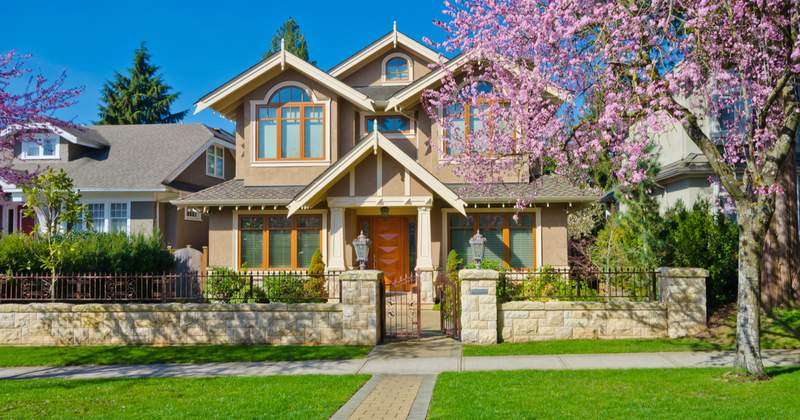
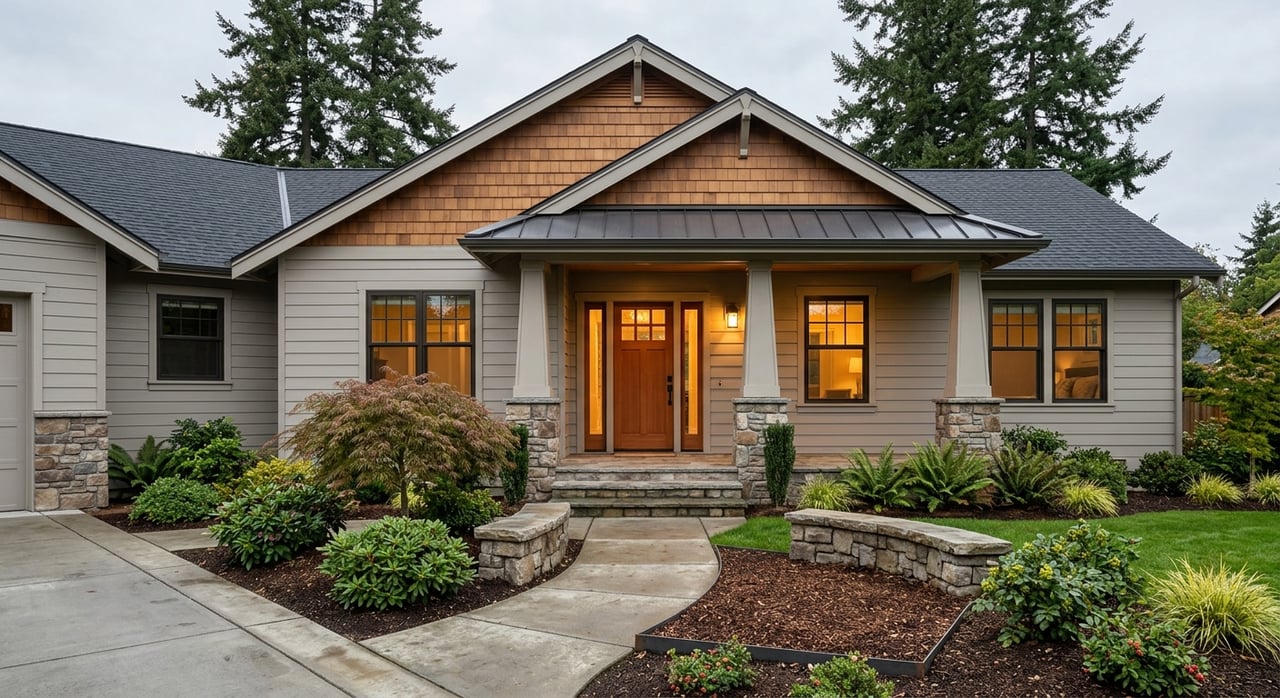
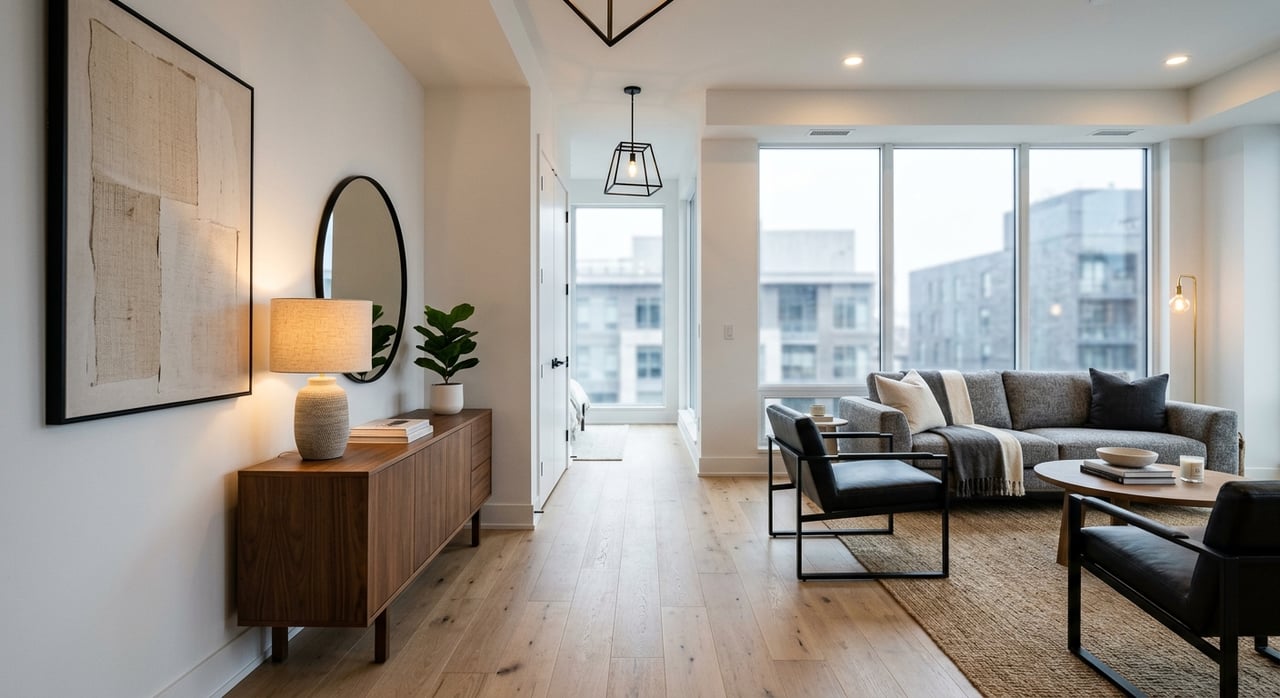
Seward Park offers a housing mix that appeals to different types of buyers. According to King County’s 2023 Area 81 report, the area includes single-family homes, duplexes, triplexes, townhomes, and low-rise multifamily properties.
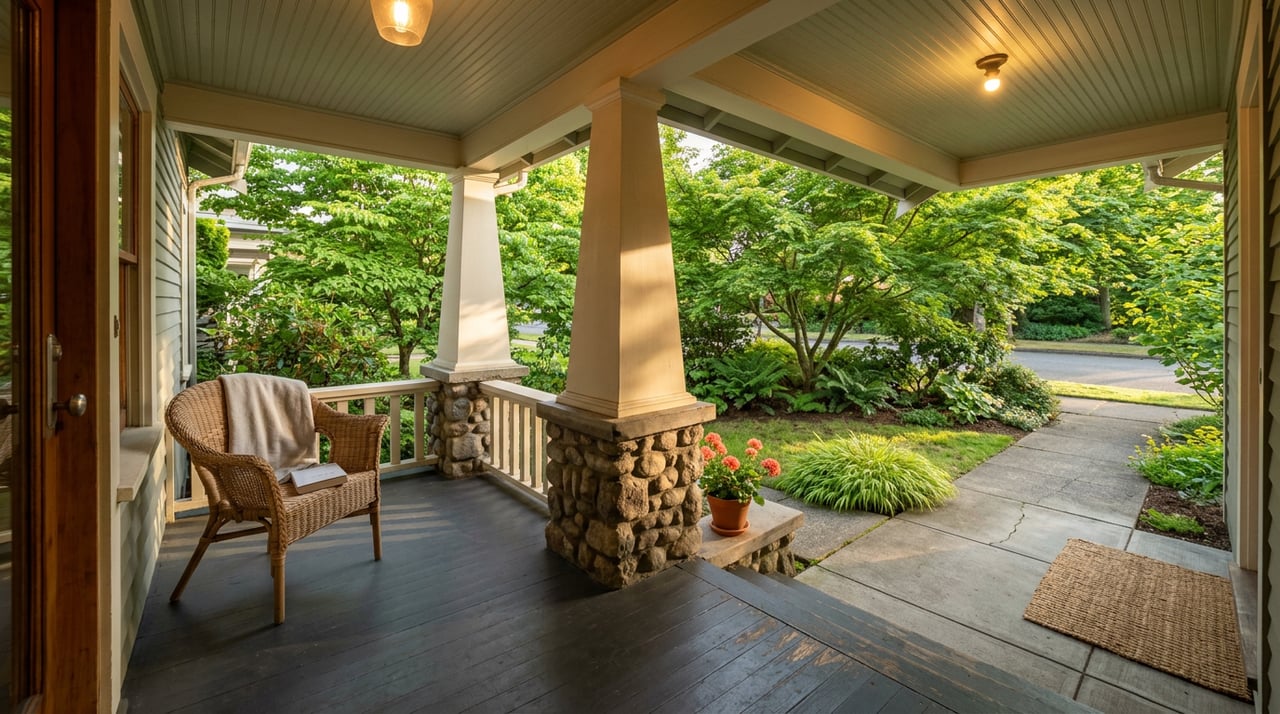
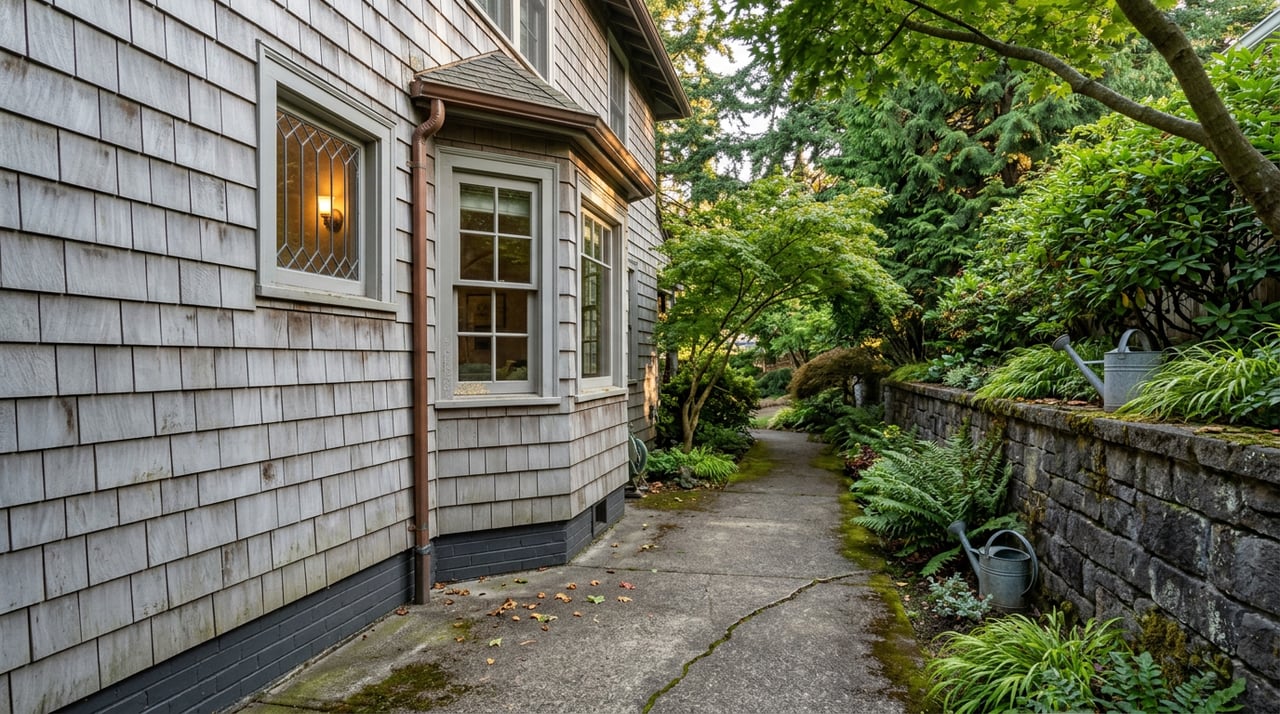
The same report notes that many homes date from the early 1900s through the mid-1960s. That can mean a wider range of architecture, lot sizes, and condition levels than you might find in neighborhoods dominated by newer construction.
For buyers, this creates both opportunity and tradeoffs. Some homes may offer original character or established landscaping, while others may need updates or a clearer renovation plan. If you are comparing options, it helps to look beyond square footage and focus on condition, setting, views, and long-term fit.
Views and Waterfront Appeal
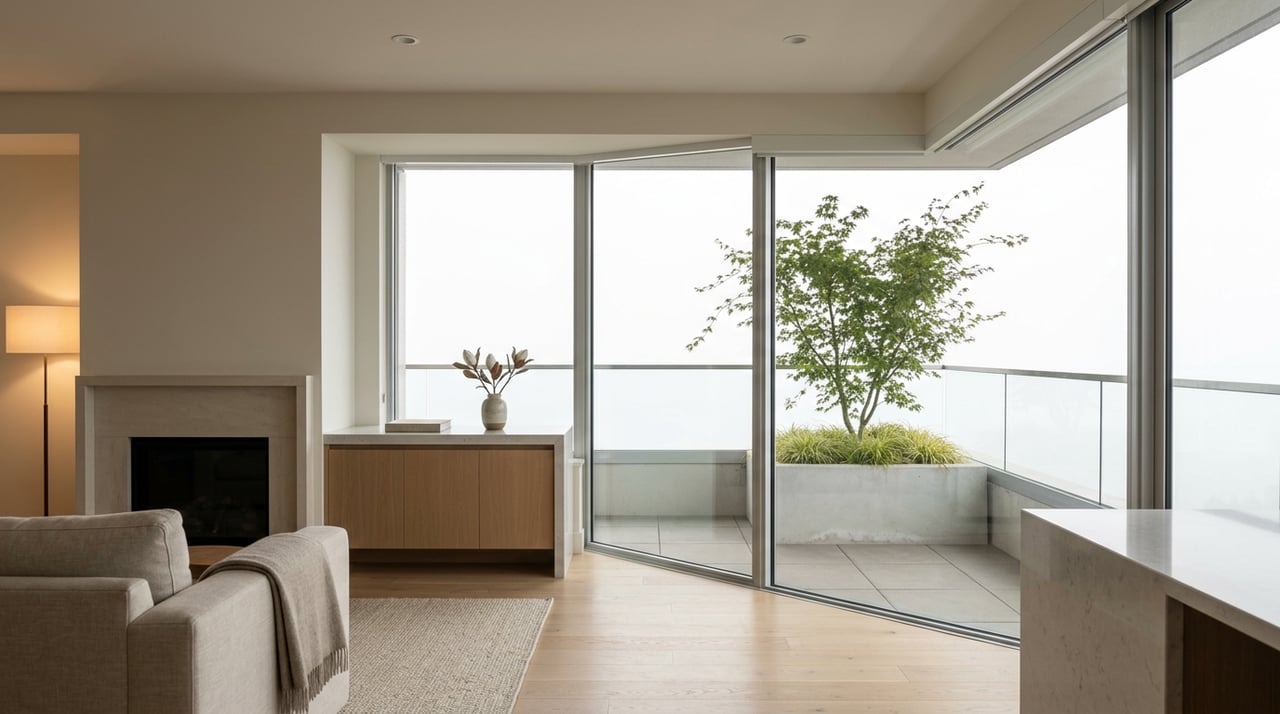
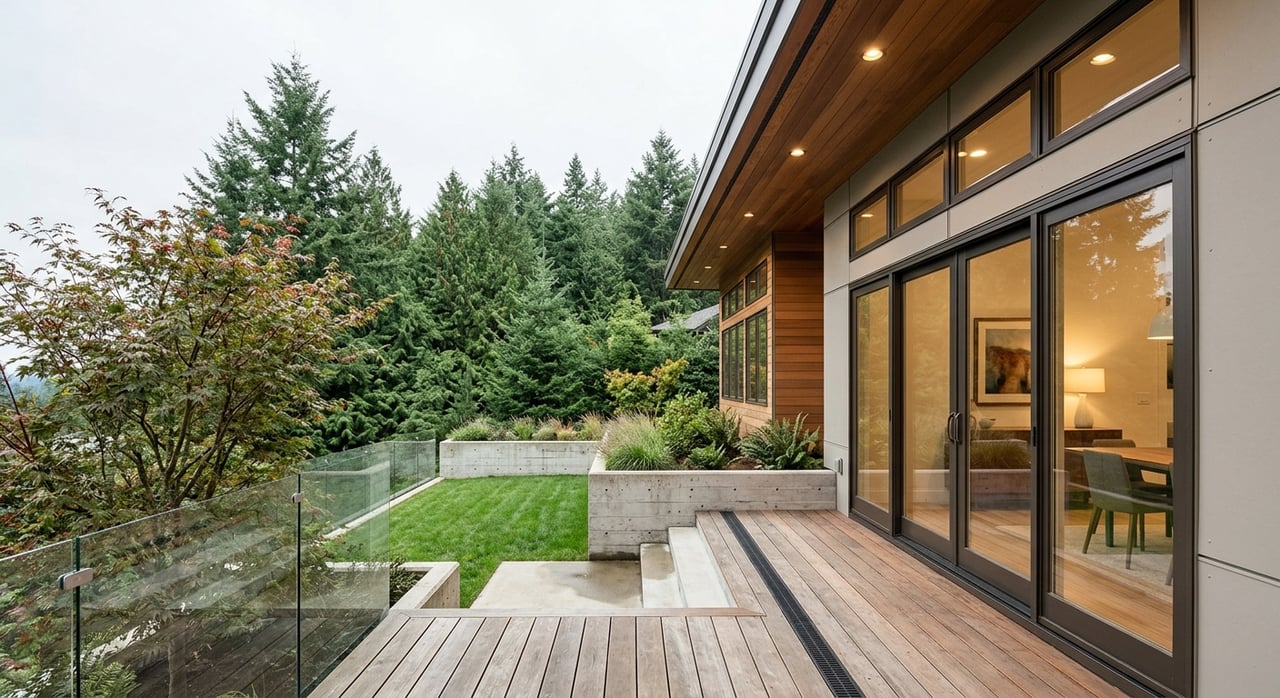
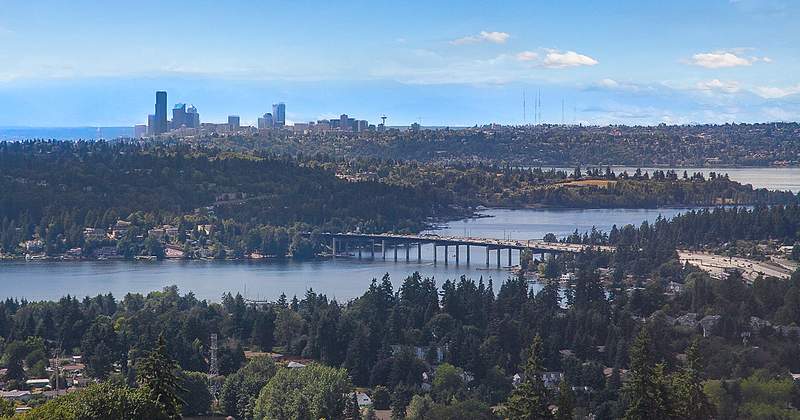
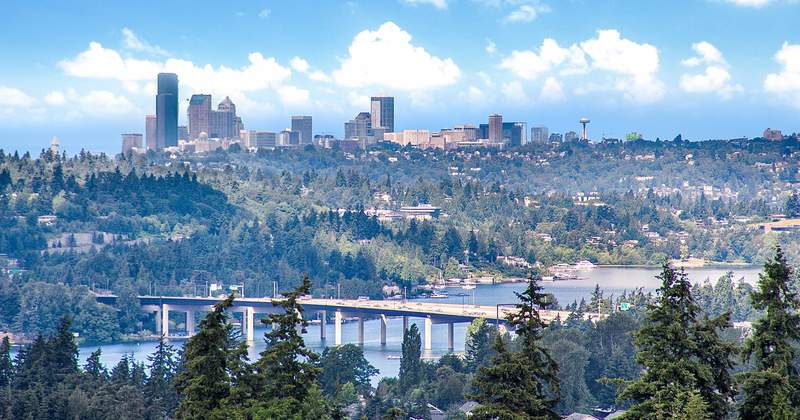
Seward Park is especially notable for view-oriented living. King County describes views and waterfront as defining characteristics of the area, with many parcels offering Lake Washington, Olympic Mountain, Cascade Mountain, Puget Sound, and city views.
That kind of setting can shape both lifestyle and value. A home with water, mountain, or skyline outlooks may feel very different from another property only a few blocks away.
If views matter to you, this is a neighborhood where block-by-block analysis is important. Small changes in elevation, orientation, or street position can have a big effect on what you actually see from the home.
What Daily Living Feels Like
Seward Park often appeals to buyers who want a more residential environment while staying connected to the city. The neighborhood snapshot from the City of Seattle shows a higher median household income than the city overall, a lower share of renter households, and a community where nearly half of residents identify as BIPOC. You can review the city’s neighborhood snapshots and the 2023 Seward Park snapshot PDF for more detail.
The same snapshot reports that 61.6% of adults hold a bachelor’s degree or higher, and 22.7% of residents speak a language other than English at home. Those figures help paint a broad picture of the area, though snapshot boundaries are approximate rather than an exact match for every neighborhood line.
For you as a buyer, the takeaway is practical. Seward Park offers a blend of residential stability, access to outdoor space, and a community profile that differs in meaningful ways from Seattle overall.
Getting Around Seward Park
If you want options beyond driving everywhere, Seward Park has useful connections. Sound Transit highlights the area as a trail destination east of Columbia City Station, and Seattle’s Southeast Seattle Neighborhood Greenways network includes the Seward Park Trail.
SDOT also notes that the Kenyon Greenway connects to Seward Park Avenue South and the Lake Washington Loop. For buyers who value walking, biking, or piecing together a more car-light routine, that connectivity can be a meaningful advantage.
That said, there is a practical traffic note to keep in mind. King County’s area report says summer weekends can bring heavier traffic near Lake Washington Boulevard and the park entrance, especially when demand for the lakefront and park is high.
Community Anchors and Everyday Destinations
One of Seward Park’s strengths is that the neighborhood experience is not limited to the shoreline and trails. The area also includes community-serving destinations tied to learning, recreation, and the outdoors.
The Seward Park Audubon Center, located at 5902 Lake Washington Boulevard S, is open daily from 10 a.m. to 5 p.m. and focuses on birds, nature education, and outdoor connection. Seattle Parks also identified the Audubon Center and the Seward Park Clay Studio as important community partners in its Green Flag Award announcement.
For many buyers, these kinds of neighborhood anchors matter because they add depth to daily life. They give the area a lived-in, community-based feel that goes beyond housing alone.
Is Seward Park a Good Fit for You?
Seward Park may be a strong fit if you want to prioritize outdoor access, established housing stock, and the possibility of lake or territorial views. It can also work well if you value a neighborhood where recreation is woven into everyday routines.
You may want to look more closely if your home search includes:
- View-focused properties with strong long-term appeal
- Older homes where character and condition both matter
- Townhomes or multifamily options in a primarily residential setting
- Easy access to trails, shoreline, and bike routes
- A Seattle neighborhood with a distinct natural identity
At the same time, this is a neighborhood where due diligence matters. Home age, remodeling history, exact location, traffic patterns, and view orientation can all affect how a property lives and how it performs over time.
What Buyers Should Evaluate Carefully
If you are serious about Seward Park, it helps to evaluate homes with a clear framework. A beautiful setting is important, but so is understanding the property itself.
Focus on these factors as you compare options:
- Condition and updates: Older homes may have charm, but systems, layout, and prior renovations deserve careful review.
- View value: Confirm what the home actually captures today and consider whether the outlook feels protected or more variable.
- Street location: Proximity to the park, boulevard, and main routes can shape convenience, noise, and traffic.
- Lifestyle fit: Think about how often you will really use the trails, shoreline, and recreational amenities.
- Property type tradeoffs: A detached home, townhouse, or low-rise unit may offer very different maintenance and pricing dynamics.
A structured home search matters in a neighborhood like this. The right strategy helps you compare not just listings, but the tradeoffs behind them.
Why Local Guidance Matters Here
Seward Park is not a one-note neighborhood. Two homes with similar price points can offer very different value based on views, condition, location, and how close they sit to the park or boulevard.
That is where local guidance becomes important. A strong buying plan helps you narrow choices, assess tradeoffs clearly, and move with confidence when the right property appears.
If you are considering Seward Park or comparing it with other Seattle neighborhoods, Mary Lee & Associates can help you evaluate the options, understand the local market, and build a smart next step. Schedule a free consultation.
FAQs
What is Seward Park known for in Seattle?
- Seward Park is known for its 300-acre lakeside park, old-growth forest, shoreline access, walking and biking paths, hiking trails, and strong connection to outdoor recreation within Seattle city limits.
What types of homes are common in Seward Park?
- The Seward Park area includes single-family homes, duplexes, triplexes, townhomes, and low-rise multifamily properties, with many homes dating from the early 1900s through the mid-1960s.
Does Seward Park have view homes?
- Yes. King County identifies views and waterfront as defining characteristics of the area, with some parcels offering Lake Washington, mountain, Puget Sound, and city views.
Is Seward Park good for walking and biking?
- Seward Park offers strong access to walking and biking, including the park’s 2.4-mile path, trail network, connections to neighborhood greenways, and seasonal Bicycle Weekends on Lake Washington Boulevard.
How do you get to Seward Park without driving everywhere?
- Sound Transit highlights Seward Park as a trail destination east of Columbia City Station, and neighborhood greenway connections can support a more car-light routine depending on your starting point and destination.
What should buyers watch for in Seward Park homes?
- Buyers should pay close attention to home condition, remodeling history, exact view orientation, street location, and traffic patterns, especially near Lake Washington Boulevard and the park during busy summer weekends.