
Downsizing after years in a well-loved South Mercer home can feel like trying to pack a lifetime into a few boxes. You want a smooth move, a strong sale, and the right next chapter without rushing decisions. This step-by-step plan gives you clear timelines, local resources, and smart prep that reduces stress while protecting your home’s value. You’ll also find coordination tips tailored to homes near Pioneer Park and the quieter South End streets. Let’s dive in.
Why plan early on the South End
South Mercer’s draw is its easy outdoor access and calm, residential feel. City documents list Pioneer Park at about 113.6 acres, with multi-use trails and designated equestrian routes in certain areas, all managed under specific trail rules. These features are magnets for buyers who value a park-and-woodland lifestyle. They also shape how you stage photos, schedule showings, and plan moving logistics. (City of Mercer Island park reference)
- Highlight nearby trail access in your listing and photography. Consider a photo that frames your yard or street with a natural backdrop to signal the outdoor lifestyle.
- Coordinate showings to avoid peak park times. The City posts open space guidelines that include leash rules and equestrian access notes, which can hint at busier trail use windows. (Open space and trail-use guidelines)
Market note, March 2026: Mercer Island remains a high-value market, and neighborhood-level days on market can vary. That affects how much lead time you should build in for sorting, light updates, staging, and showings. Confirm current numbers with your agent before you set dates.
Choose a timeline that fits your move
You can downsize without last-minute pressure by picking the right track. Here are three proven options.
Low-stress track: 6–12 months
- Set your destination plan. Decide if you prefer to stay on Mercer Island, move nearby, or shift to a condo. For financial, legal, or medical questions, consult qualified professionals.
- Map your future space. Get a floor plan for your next home and measure large furniture. Mark items that will not fit so you can release them early.
- Start first-pass sorting. Work room by room with simple bins: Keep, Sell, Donate, Recycle, Hold for family, Unsure. Photograph valuables for family records.
- Get hands-on help if needed. A Senior Move Manager model provides emotional support, inventory, and a structured disposal plan. Ask for NASMM-aligned practices when you interview pros. (Senior move support overview)
Typical track: 3–6 months
- Set sale and move windows now. This anchors estate sales, donation pickups, and staging dates so nothing overlaps.
- Pre-schedule selling and donation days. Book consignment or an estate sale for higher-value pieces and arrange donation drop-offs or pickups in advance.
- Book light updates. Reserve painters and handypeople for small, value-focused work. If any project could be structural or involve systems, confirm permit needs with the City before starting. (Interior remodel guidance)
Expedited track: 30–60 days
- Finalize the staging plan. Stage first, then photograph. Virtual staging can work well for vacant rooms on a tight timeline. (Home staging statistics and practices)
- Book movers and plan parking. Confirm movers’ insurance, on-site contact, and timing. Ask your mover if curb space reservations are needed and whether any public right-of-way impacts require City coordination. (Permit FAQ for right-of-way questions)
- Two weeks out. Pack an essentials box, label by room, set utility transfers, and confirm donation or disposal appointments. Do a final walkthrough to confirm cleaning, lockup, and showing readiness.
What to keep, sell, donate, or recycle
Senior-sensitive sorting made easier
The NASMM-style approach pairs empathy with structure. You inventory items, group by outcome, and move decisions earlier in the process. A Senior Move Manager or organizer can coordinate family communications, floor plans, and vendor scheduling for sales, donations, and hauling. (Senior move support overview)
Local donation options you can use
- Start local. The Mercer Island Thrift Shop accepts many household donations and supports community services. Check accepted items and drop-off guidance before you load the car. (Mercer Island Thrift Shop updates)
- Photograph items for records. Photos help with family decisions and tax documentation. Retain any donation receipts.
Disposal and hazardous items
For mattresses, appliances, electronics, and hazardous household products, King County transfer stations and the Factoria facility offer disposal and recycling. Always confirm accepted materials and limits before a trip. (King County transfer station reference)
High-impact prep that pays
Quick fixes that move the needle
Focus on low-cost, high-visibility projects. Neutral interior paint, deep cleaning, brighter bulbs and fixtures, fresh mulch, trimmed hedges, and an updated front door or hardware can show immediate value without a long timeline. Industry ROI commentary consistently places these cosmetic refreshes near the top for resale. (ROI commentary)
Staging for South End buyers
Staged homes often sell faster and for more. Prioritize decluttering, neutral color, and a layout that shows easy traffic flow. For South Mercer listings near Pioneer Park, consider outdoor vignettes and window treatments that frame greenery and natural light. Photograph after staging for a stronger first impression online. (Staging statistics and guidance)
Permits at a glance
Mercer Island’s guidance notes that many non-structural interior projects are simpler to process, while structural, electrical, mechanical, plumbing, and site-impact work often require permits and inspections. When in doubt, call the permit counter before work begins. Policies can change with code updates.
- Often no permit needed: interior paint, basic flooring replacement, decluttering, and cosmetic refreshes. Confirm with the City if unsure. (Interior remodel guidance)
- Likely need permits: electrical, gas, plumbing, structural changes, additions or ADUs, significant deck work, and projects affecting the public right-of-way. Ask your contractor to pull required permits and schedule inspections. (Permit FAQ)
Coordinate vendors without the chaos
Build a one-page contact sheet and keep it in a binder or shared folder:
- Vendor name and role
- License and insurance info
- Arrival window and on-site contact
- Payment method and due date
Key vendor types for a smooth senior-focused move:
- Senior Move Manager or organizer who follows NASMM standards for sorting, family coordination, and floor planning. (Senior move support overview)
- Local human services for seniors. Mercer Island Youth & Family Services offers senior outreach, referrals, and case-specific support for older adults who need help with housing transitions. (MIYFS Senior Services)
- Estate sale or consignment specialists for higher-value items. Book early to avoid overlap with photography and showings.
- Movers with Washington licensing, insurance, and senior-move experience. Ask about full-service packing if you want to minimize lifting.
- Contractors and handypeople with a Mercer Island business license. For any work that could affect streets or curbs, confirm permit requirements in advance. (Permit FAQ)
Showings and moving-day logistics
Parking and curb space
Moving trucks and curb use can trigger local rules. Coordinate with your mover on truck size and timing, and ask whether temporary no-parking or curb reservations are needed. If any part of your plan impacts the public right-of-way, contact the City for guidance to avoid tickets or delays. (Permit FAQ)
Listing near Pioneer Park
Pioneer Park’s trails can draw weekend visitors. Aim for weekday photos or mid-morning showings to reduce traffic and parking competition. Review City open-space guidelines for trail use and pet rules, and keep pathways clear for guests during showings. (Open space and trail-use guidelines)
Room-by-room quick checklist
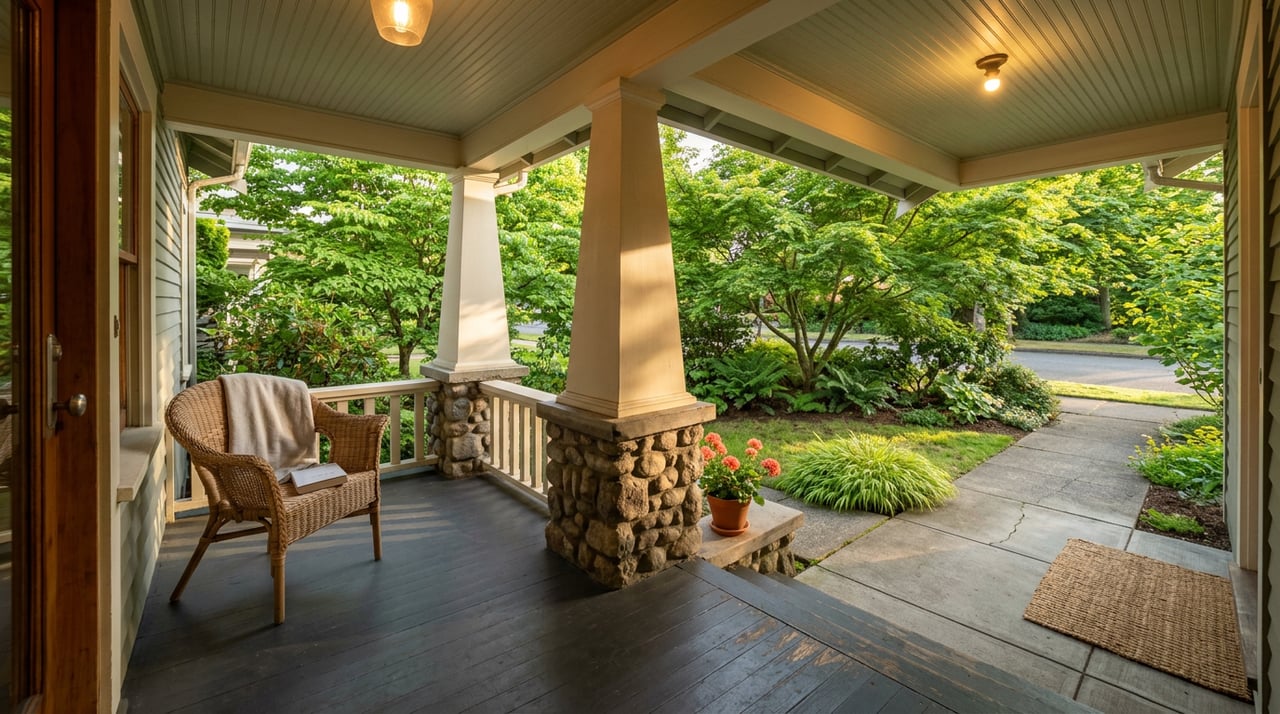
- Entry and curb appeal: sweep and power-wash the stoop, replace the doormat, paint the front door, update hardware, and add low-maintenance plants. First impressions count. (ROI commentary)
- Living room: remove excess furniture, neutralize colors, maximize natural light, and arrange seating to show easy flow.
- Kitchen: clear counters, replace dated cabinet hardware, clean or brighten fixtures, and consider minor surface updates over full remodels.
- Primary bedroom and closets: reduce wardrobe to one season, use clear bins, and create space between hangers to signal storage.
- Yard and outdoor spaces: prune, mulch, mow, and tidy paths. If views toward Pioneer Park are a feature, trim to open sightlines.
Printable timelines you can use
Use these as a quick-reference guide. Copy them into a note or print this section and tape it to the fridge.
6–12 months out
- Choose destination and timeline; gather floor plan and measure furniture
- Begin first-pass sorting with labeled bins; photograph valuables
- Consider a Senior Move Manager if you want hands-on help
3–6 months out
- Schedule estate sale or consignment; set donation pickups
- Book light cosmetic updates and confirm permit needs as applicable
- Pre-book staging and photography windows
30–60 days out
- Finalize staging; complete deep clean and curb appeal
- Book movers, insurance, and parking logistics; confirm right-of-way rules
- Pack non-essentials and label by room; set utilities and mail forwarding
2 weeks to move
- Pack essentials box; confirm all dates and contacts
- Final walkthrough for cleaning, lockup, and showing readiness
Move day
- Assign an on-site family contact
- Stage priority items first at the destination, especially bedroom and medications
How we help reduce stress and improve results
You do not have to coordinate this alone. As a Seniors Real Estate Specialist with a negotiation-forward process, our team manages the details that matter to your timeline and bottom line. With our optional Concierge Service, you can fix now and pay at closing while we oversee common pre-listing projects like repairs, painting, staging, landscaping, and cleaning. We pair that with premium marketing and disciplined pricing and negotiation so you can move forward with confidence.
Ready for a simple, step-by-step plan tailored to your South End home near Pioneer Park? Schedule a free consultation with Mary Lee & Associates.
FAQs
What is a low-stress downsizing plan for South Mercer?
- Pick a timeline, start early with sorting, focus on light cosmetic updates and staging, and use local resources for donations, permits, and mover coordination.
How should I time showings near Pioneer Park on Mercer Island?
- Aim for weekday or off-peak hours and keep pathways clear; review City open-space guidelines to anticipate higher trail use periods.
Do I need building permits for small updates before selling?
- Many cosmetic projects do not need permits, but structural or systems work often does; confirm with the City’s permit pages or the permit counter before starting.
Where can I donate items on Mercer Island when downsizing?
- Start with the Mercer Island Thrift Shop for local donations, then use regional recycling and King County transfer stations for items that cannot be donated.
Who can help seniors with sorting and move logistics?
- A Senior Move Manager or organizer who follows NASMM practices can handle floor plans, family coordination, and vendor scheduling; MIYFS offers referrals and support for older adults.