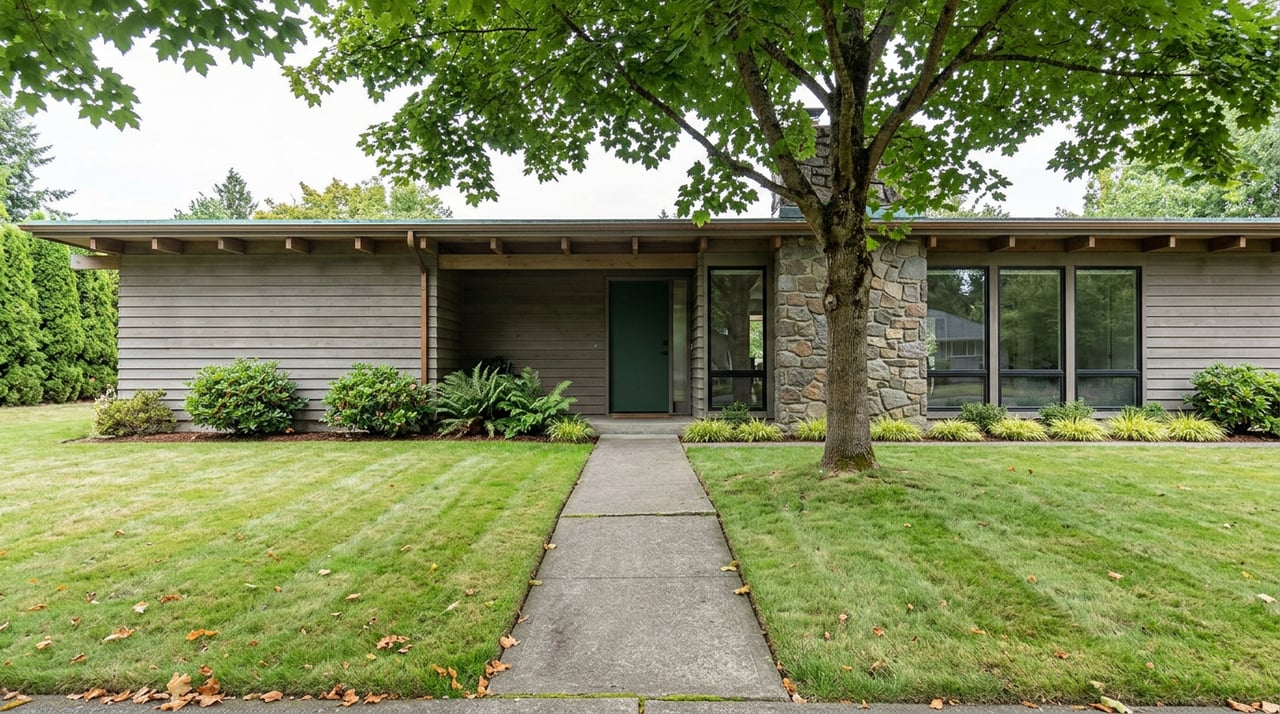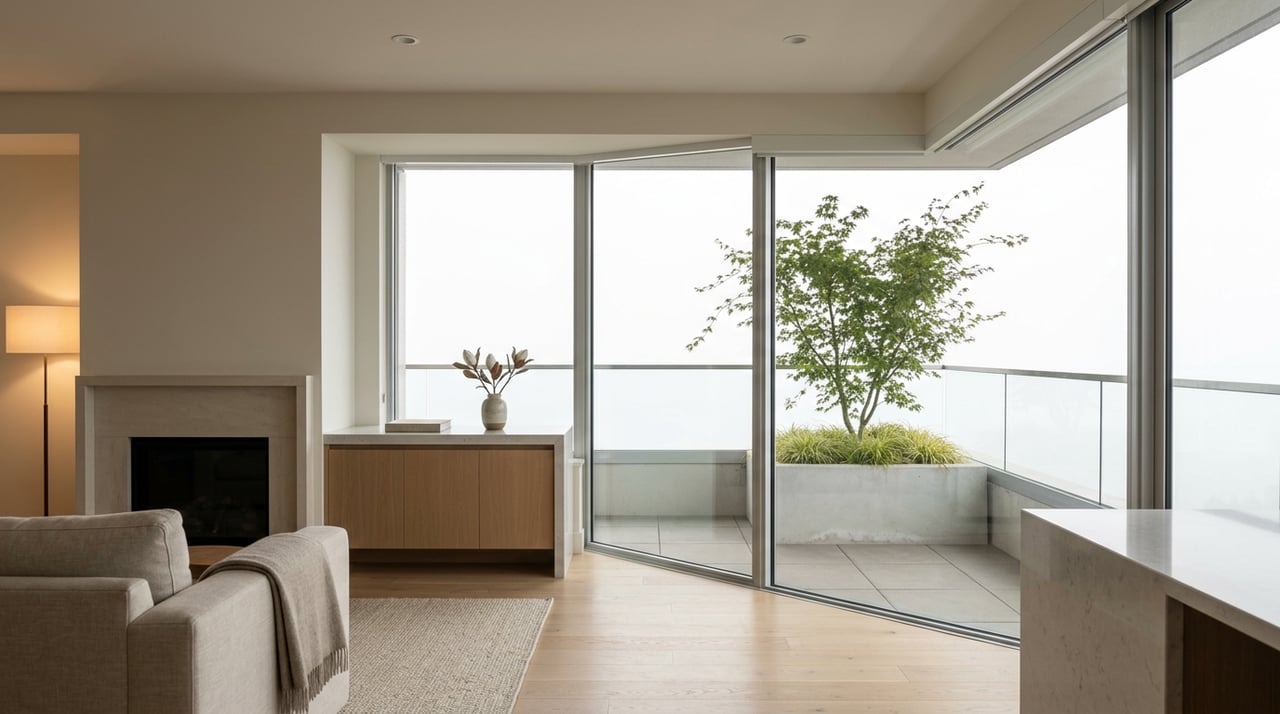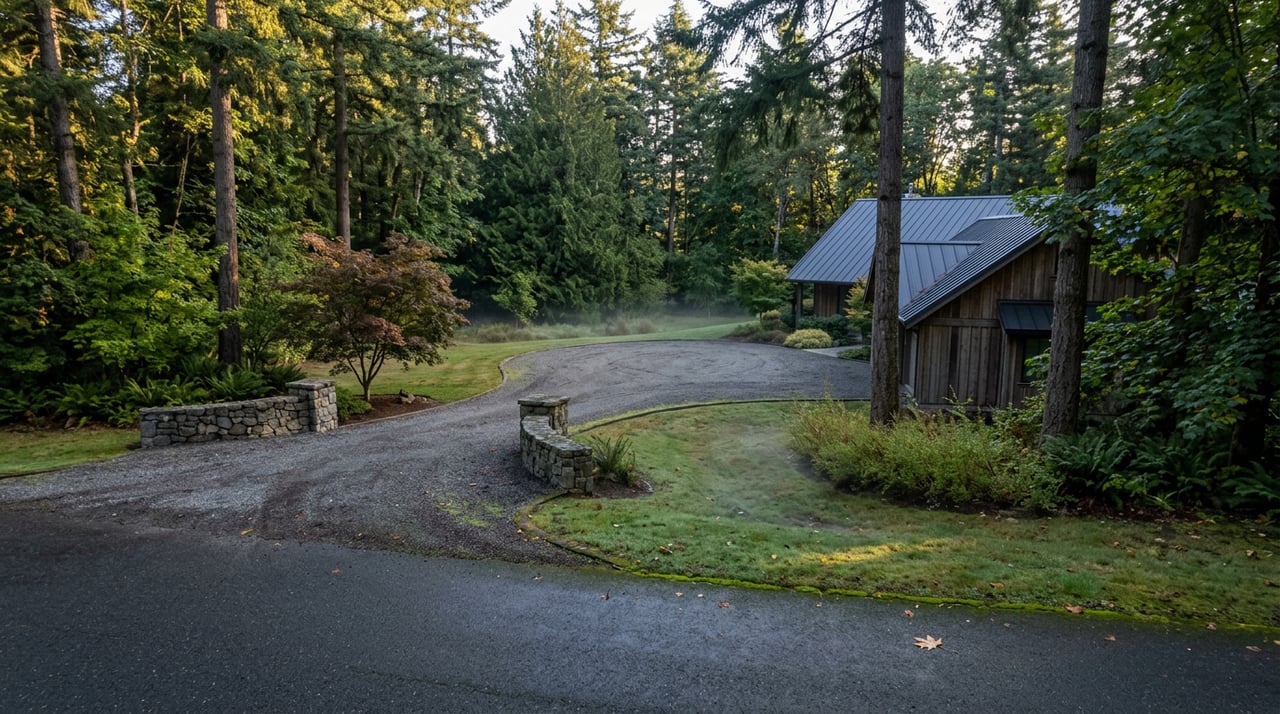
Dreaming about a West Seattle view home is easy. Buying one with clarity is where the real work begins. When you are looking at Puget Sound, mountain, skyline, or shoreline views, you are not just buying a house, you are also buying the site, the slope, the access, and the rules that come with that setting. This guide will help you evaluate the right details, avoid common surprises, and move forward with more confidence. Let’s dive in.
Why West Seattle view homes stand apart
West Seattle’s view-home market is shaped by hills, ravines, bluff edges, and shoreline parcels. According to the King County Assessor area report, about 35% of parcels have some degree of view, often including Puget Sound, surrounding territory, the Olympic Mountains, and sometimes the Seattle skyline or Cascade Mountains.
That also means not every view home offers the same value. In West Seattle, a wide Sound view, a partial skyline view, a filtered mountain view, and a waterfront setting can come with very different pricing, upkeep, privacy, and resale tradeoffs. The strongest view pockets are also largely built out, so buyers are usually choosing from existing homes rather than waiting for new inventory.
Know what kind of view you want
One of the smartest ways to buy with confidence is to define what matters most before you make an offer. A dramatic sunset-facing Sound view may feel very different from a city-facing view that shines at night, and both may live differently than a home with a narrower but more private outlook.
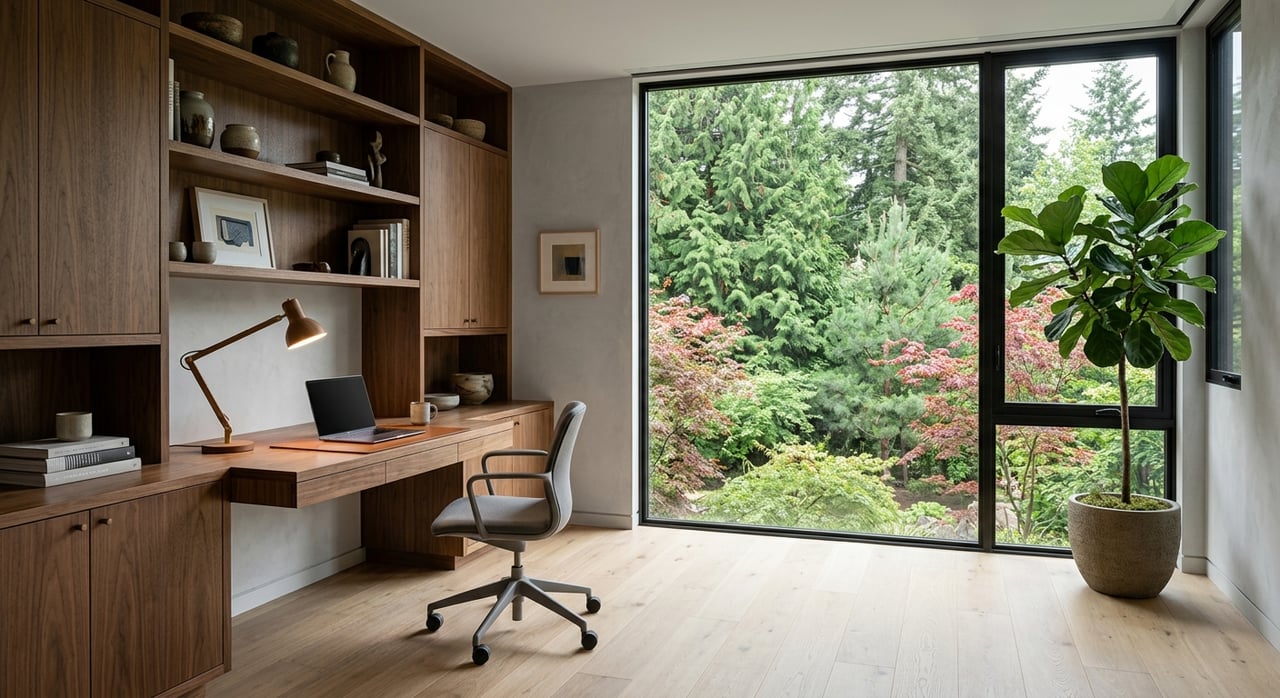
Start by asking yourself how you want to experience the view in daily life. You may care most about seeing water from the kitchen and living room, or you may be happy if the best vantage point is from an upper-level bonus room or deck. That distinction matters because the view you use every day often holds more long-term value to you than the view that only photographs well.
Compare view quality and livability
As you tour homes, look beyond the listing photos and compare the full experience of each property.
- Is the view from the main living spaces or only from one room?
- Does the home get natural light at the times of day that matter to you?
- Is the outlook open, filtered, or partially blocked?
- Does the view come with privacy concerns from neighbors, streets, or public overlooks?
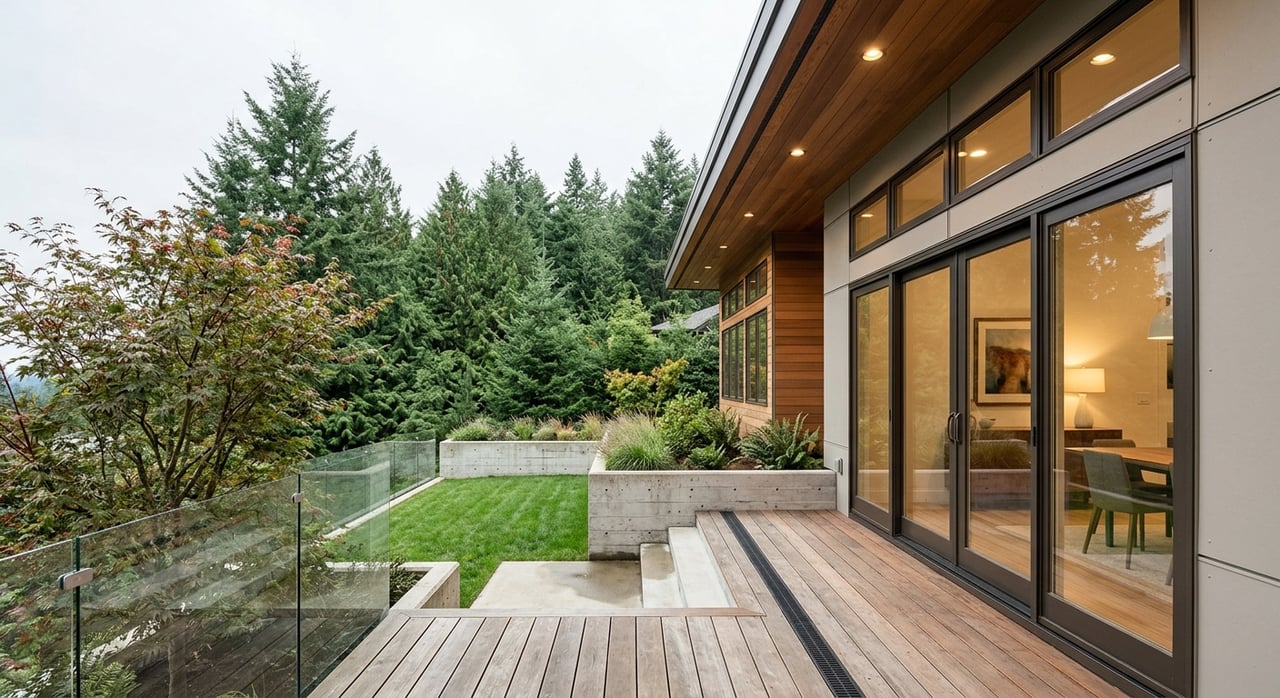
- Does the lot layout make it easy to enjoy outdoor space?
In West Seattle, the site is often a major part of the value. A home with a more modest view but better layout, easier access, and stronger day-to-day comfort can be the better purchase over time.
Check the property at different times
Orientation can change how a home feels. The same water or mountain view can look bright and open in the morning, then flat or overly exposed later in the day depending on window placement and how the house sits on the lot.
If possible, visit at more than one time of day. Pay attention to where the light lands, how the main rooms feel, and whether the view is truly integrated into the way you would live in the home. This simple step can help you separate a beautiful first impression from a home that works well every day.
Do not assume the view will stay the same
This is one of the biggest mistakes buyers make. A great view today does not automatically mean the exact same view tomorrow.
Seattle’s tree regulations are especially important here. The city states that tree removal on private property cannot be done simply to improve a view. That means you should not assume a current sightline can be opened up later just because trees are in the way, and you should not assume neighboring trees can be removed for your benefit.
Look at nearby redevelopment pressure
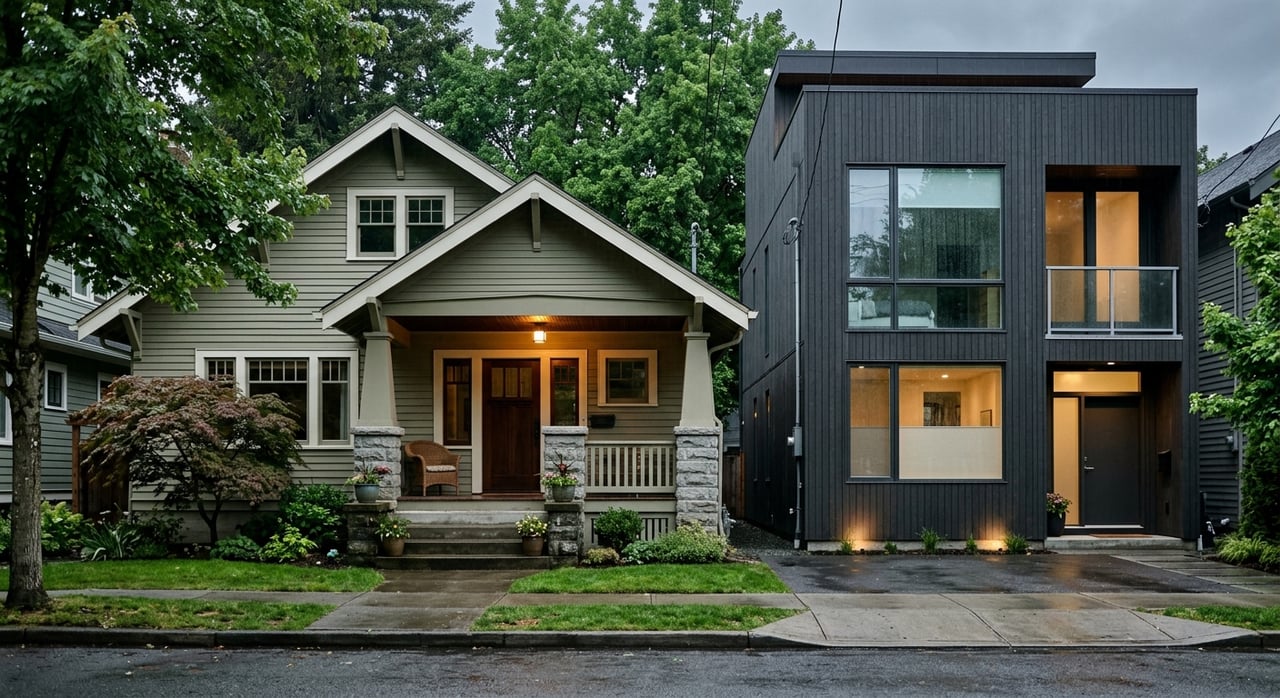
Future infill is another piece of the puzzle. The King County Assessor report notes that some West Seattle pockets are nearly built out, while others are seeing renovation, teardown, or townhouse redevelopment pressure.
Before making an offer, look closely at nearby parcels, especially across the street and downhill from the home. Consider whether future building height, density, or tree growth could change the view corridor. A strong buying decision comes from understanding both the home and what may happen around it.
Evaluate privacy and overlook
Views often come with exposure. In hillside and bluff locations, you may gain openness but lose some privacy.
West Seattle’s topography can create homes that are visible from nearby streets, neighboring houses, or public walking areas. The county report notes narrow streets, ravines, and walk-in access as defining features in several pockets, and those features can affect how private a property feels once you move in.
As you tour, stand in the rooms where you would spend the most time. Then ask a practical question: when the blinds are open, how private do you actually feel? That answer matters just as much as the view itself.
Look closely at access and daily function
A stunning view does not always mean easy living. In West Seattle, steep lots, long stair runs, and challenging access are common enough that they should be part of your buying decision from the start.
Think about how you will live in the home on a normal Tuesday, not just on a sunny weekend. Carrying groceries, getting guests to the front door, managing parking, taking out trash, or moving around outdoor spaces can feel very different on a steep site. These details also matter for future resale.
Ask practical access questions
Use a simple decision lens when comparing homes:
- How many stairs are required for daily entry?
- Is parking easy and predictable?
- Does the lot feel manageable in wet weather?
- Are outdoor areas usable or mostly decorative?
- Does the home feel easy to maintain over time?
A home that blends a good view with straightforward access often holds broad buyer appeal later.
Understand slope, drainage, and landslide risk
For many West Seattle view homes, due diligence should go beyond the house itself. Seattle Department of Construction and Inspections says the city has steep hills, wet winters, and geology prone to landslides.
If a property appears to involve a steep slope or hillside setting, the city advises owners and buyers who suspect landslide risk to check the city’s GIS map and contact a geotechnical engineering professional for an evaluation. This is especially important if anything about the site raises questions about stability, drainage, or past movement.
Why drainage matters so much
Seattle’s landslide materials warn against directing water onto slopes, cutting into the toe of a slope, or installing walls and rockeries without approval. In practical terms, drainage is not just a maintenance issue. It is part of the property’s risk profile.
That matters financially too. SDCI states that traditional homeowners insurance does not cover landslide damage. For a buyer, that means slope stability and water management deserve serious attention before you remove contingencies.
Pay attention to permits and shoreline rules
When a property includes a retaining wall, drainage work, major grading, or a shoreline location, permit review becomes critical. In landslide-prone areas, Seattle says grading over 25 cubic yards, all retaining walls, and all drainage installations require permits.
The city also says a Pre-Application Site Visit is required for many projects involving shoreline parcels, wetlands, mapped steep-slope areas, or ground disturbance greater than 750 square feet. If you are considering future improvements, this can affect your timeline, budget, and project feasibility.
Waterfront homes have another layer
If the home is in the Shoreline District, Seattle’s Shoreline Master Program applies. The city requires a shoreline substantial development permit or shoreline exemption for development there, plus a master use permit for any use or change of use in that district.
That does not make waterfront property a bad buy. It simply means your due diligence should match the complexity of the site.
Older homes may need extra review
Many West Seattle neighborhoods include older housing stock. The county report notes that pre-1930 homes are common in several areas, which can make structural and seismic review especially useful during the inspection process.
If you are buying an older view home, look at both the charm and the systems. A house can have a great setting and still need meaningful work related to structure, seismic resilience, drainage, or long-term maintenance.
Build a smart offer strategy
West Seattle remains competitive. Redfin reports that the neighborhood is very competitive, with homes receiving about 2 offers on average, selling in around 16 days, and posting a median sale price of $780,000 in March 2026.
At the same time, NWMLS reported that King County active listings were up 35.5% year over year in February 2026, with the county median sales price at $840,000. In practice, that suggests broader supply has loosened somewhat, but the best-aligned view homes can still move quickly.
Compete without losing discipline
In this market, confidence comes from preparation. A strong approach usually includes:
- Clean financing
- Fast, organized decision-making
- A realistic inspection strategy
- Flexibility to respond if slope, drainage, or permit concerns appear
- Clear priorities on what you will and will not compromise on
The goal is not just to win the house. The goal is to win the right house at terms you can live with.
Think about resale from day one
A confident buyer also thinks like a future seller. In West Seattle, durable value often comes from the combination of view quality, usable outdoor space, convenient access, and manageable site conditions.
That is why a partial view with better livability can sometimes outperform a more dramatic view that is harder to access, maintain, or insure. When you weigh homes through both a lifestyle lens and a resale lens, your decision usually gets clearer.
Buying a West Seattle view home is rarely just about the view. It is about understanding the full package, from topography and privacy to permits and long-term function. When you evaluate the site as carefully as the home itself, you put yourself in a much stronger position to buy with confidence.
If you want a calm, negotiation-led plan for buying a West Seattle view home, Mary Lee & Associates can help you evaluate the tradeoffs, move quickly when the right property appears, and reduce surprises along the way. Schedule a free consultation.
FAQs
What makes a West Seattle view home different from other Seattle homes?
- West Seattle view homes are often shaped by hills, bluffs, ravines, and shoreline conditions, so you are evaluating the site, access, slope, and regulations along with the house itself.
How common are view properties in West Seattle?
- The King County Assessor area report says roughly 35% of parcels have some degree of view, though the quality, direction, and value of those views can vary widely by location.
Can you remove trees in Seattle to improve a West Seattle home view?
- Seattle says tree removal on private property cannot be done simply to improve a view, so buyers should not assume they can preserve or expand a sightline through tree removal.
What should you inspect on a West Seattle hillside property?
- You should pay close attention to slope conditions, drainage, retaining walls, signs of erosion, and whether a geotechnical review is appropriate based on the site.
Are landslides a real concern for West Seattle view homes?
- Yes. Seattle Department of Construction and Inspections says the city has steep hills, wet winters, and geology prone to landslides, making slope stability and drainage important parts of due diligence.
Does homeowners insurance cover landslide damage in Seattle?
- No. SDCI states that traditional homeowners insurance does not cover landslide damage.
Do waterfront view homes in West Seattle have extra permit rules?
- Yes. Seattle’s Shoreline Master Program regulates development in the Shoreline District, and certain development or use changes may require shoreline review and permits.
Is the West Seattle housing market still competitive for buyers?
- Yes. Redfin reports that West Seattle is very competitive, with homes selling in around 16 days on average and many receiving multiple offers.
What helps a buyer compete for a West Seattle view home?
- Strong financing, clear priorities, a realistic inspection plan, and the ability to respond quickly to property-specific issues can help you compete more effectively.
What matters most for resale in a West Seattle view home?
- The strongest long-term appeal usually comes from a balanced mix of view quality, privacy, usable outdoor space, convenient access, and manageable maintenance needs.