If you want a Seattle neighborhood with real waterfront access, a strong sense of history, and more than one way to live, Ballard stands out fast. You are not just choosing a zip code here. You are choosing between historic streets, mixed-use living near shops and restaurants, and residential blocks with older homes and quieter sidewalks. This guide will help you understand how Ballard’s maritime roots shape daily life and what its housing mix means if you are thinking about buying or selling here. Let’s dive in.
Ballard’s maritime identity
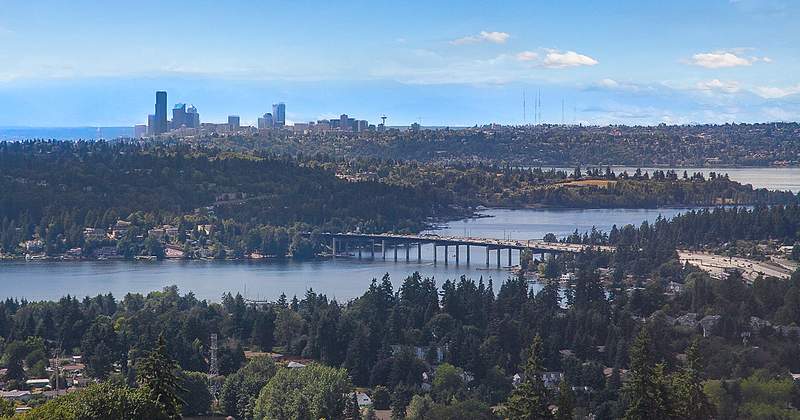
Ballard’s story starts on the water. The neighborhood developed along Salmon Bay, where access to Puget Sound helped attract lumber and fishing businesses. Seattle’s historic materials also note that Ballard was once an independent city until it was annexed in 1907.
That maritime identity is still easy to see today. The Salmon Bay fishing fleet has long treated Ballard as a home port, and the Hiram M. Chittenden Locks remain a working part of the neighborhood. Completed in 1917, the Locks connect Lake Washington, Lake Union, Salmon Bay, and Puget Sound while moving both recreational and commercial vessels.
The Locks do more than create scenery. They help maintain lake levels and support fish passage, which gives Ballard a practical connection to the region’s waterways. For buyers, that matters because the neighborhood’s waterfront character is not just visual. It is active and built into daily life.
Waterfront lifestyle in Ballard
In Ballard, waterfront living does not only mean views from a distance. It also means access to beaches, boating, fishing, walking paths, and places where you can watch the neighborhood’s maritime rhythm up close. That gives Ballard a different feel from neighborhoods that only border the water on a map.
Golden Gardens Park is one of the clearest examples. Located on Puget Sound, it offers beaches, trails, a fishing pier, a boat launch, wetlands, and wide-open views toward the Olympic Mountains. If you like the idea of ending your day near the shoreline, this is a meaningful lifestyle feature.
Boating access is another part of the picture. Eddie Vine Boat Ramp, located between Golden Gardens Park and Shilshole Marina, is Seattle’s northernmost saltwater boat ramp. That makes Ballard especially relevant if you want practical access for boating or fishing, not just a waterfront backdrop.
The Locks grounds also add to daily quality of life. In addition to vessel traffic, the site includes a visitor center, the Carl S. English, Jr. Botanical Gardens, and a fish ladder for salmon migration. Taken together, these features give Ballard a waterfront lifestyle that is hands-on, visible, and woven into the neighborhood experience.
Historic core and walkable commerce
Ballard is not only about shoreline access. Its commercial heart also gives the neighborhood much of its identity. The Ballard Avenue Landmark District preserves an older commercial core with modest buildings dating from the 1890s through the 1940s.
Seattle describes this district as a place where retail sits at street level and residences rise above. That format still supports the kind of compact, neighborhood-serving environment many buyers want. You can picture errands, coffee, dinner, and casual browsing happening in a more walkable main-street setting instead of a car-oriented strip.
Ballard Avenue and Market Street play different roles. City materials explain that Market Street later took over as the main business artery, which helped Ballard Avenue keep more of its preserved small-town feel. For you, that means Ballard has multiple commercial layers rather than one single center.
The neighborhood’s social side adds another dimension. Visit Ballard notes that there are more than a dozen breweries and cideries within a one-mile radius in the Brewery District, with many offering food and outdoor seating. That concentration reinforces Ballard’s urban village feel and helps explain why the area draws people who want neighborhood energy close to home.
Ballard housing mix at a glance
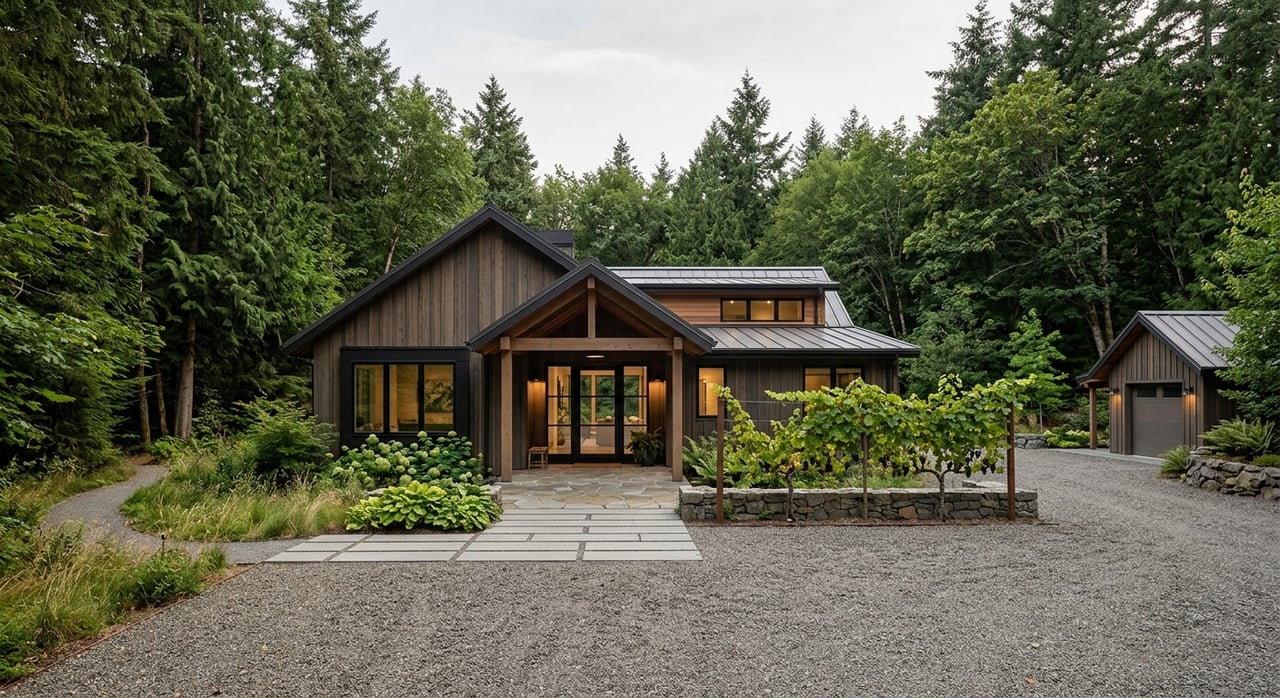
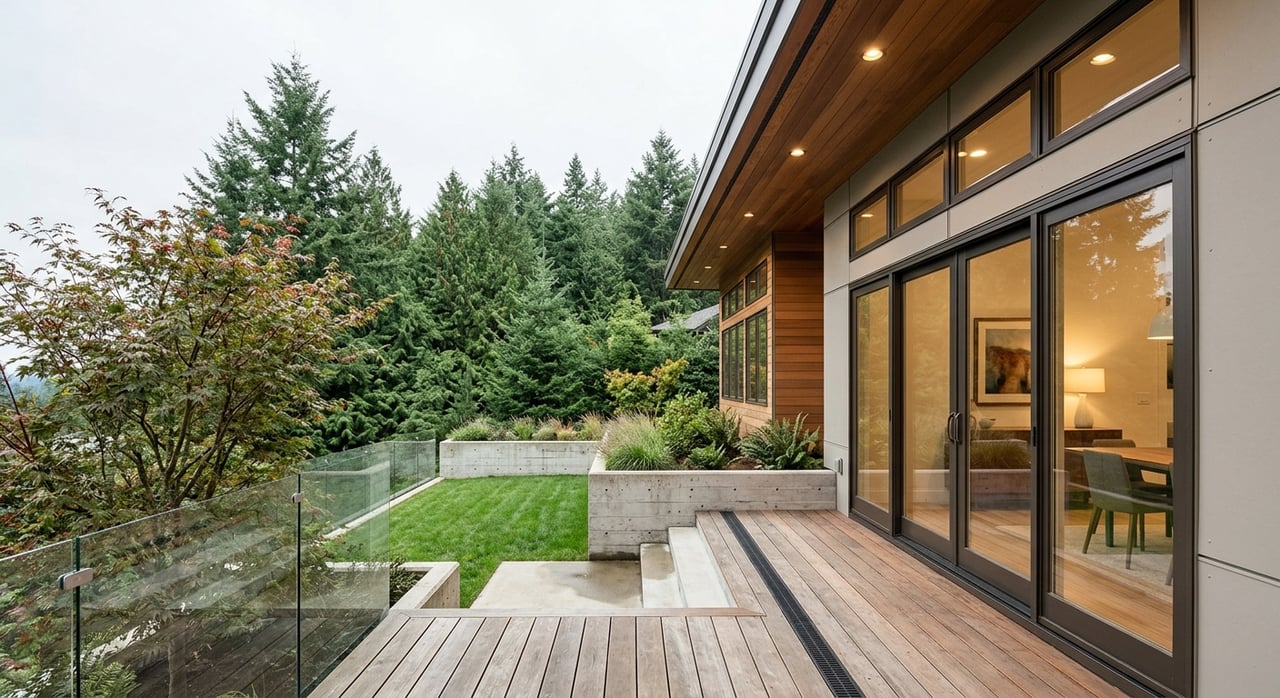
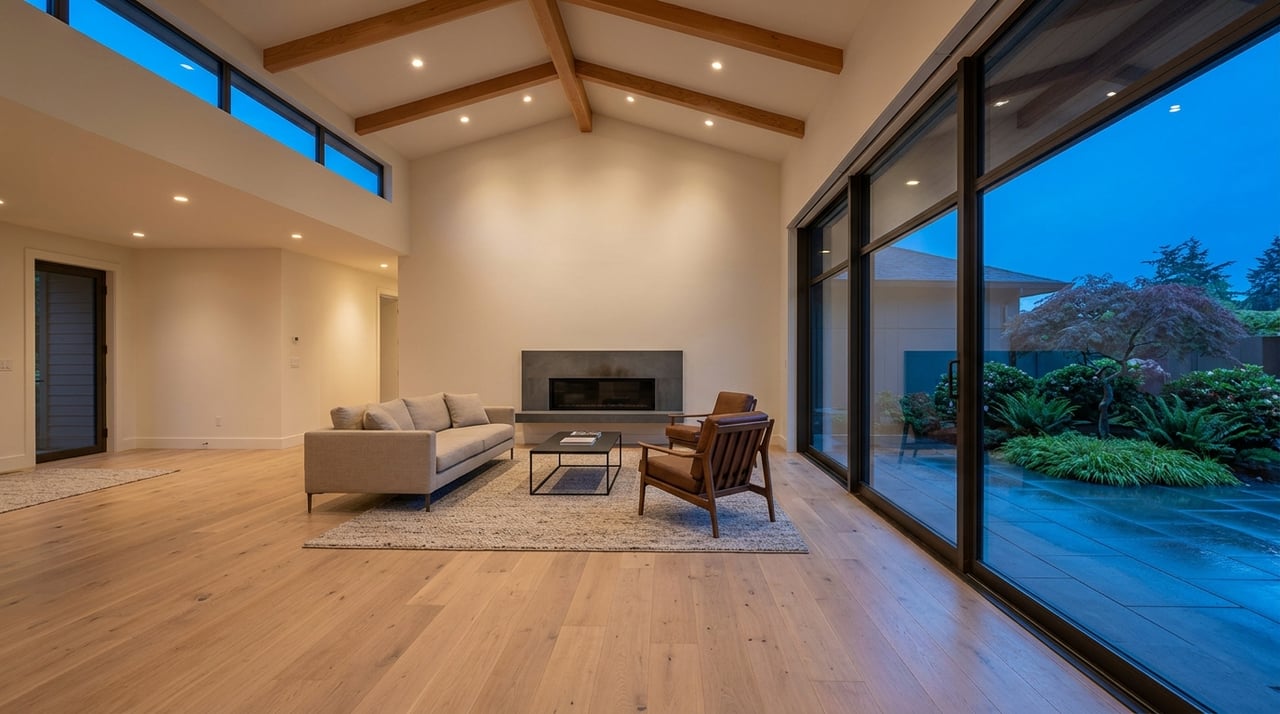
One of Ballard’s biggest strengths is that it does not offer just one housing type. Seattle planning documents describe a neighborhood with older single-family homes north of Market Street, low-rise multifamily buildings in nearby zones, and newer high-density buildings in the commercial core. That variety is a major reason Ballard appeals to such a wide range of buyers.
If you are comparing options, it helps to think of Ballard in layers. The historic commercial strip and mixed-use core create one type of living experience. The older residential streets create another, and the lower-rise and higher-density buildings in transition zones add still more choice.
Here is a simple way to think about the housing mix:
| Area pattern | What you may find |
|---|---|
| North of Market Street | Older single-family homes on more residential streets |
| Near low-rise zones | Three- to five-story multifamily buildings |
| Commercial core | Newer mixed-use buildings with retail below and residences above |
This mix is part of what makes Ballard feel layered instead of uniform. You are not shopping one housing product. You are evaluating a neighborhood with several living styles in close reach.
Older homes and architectural character
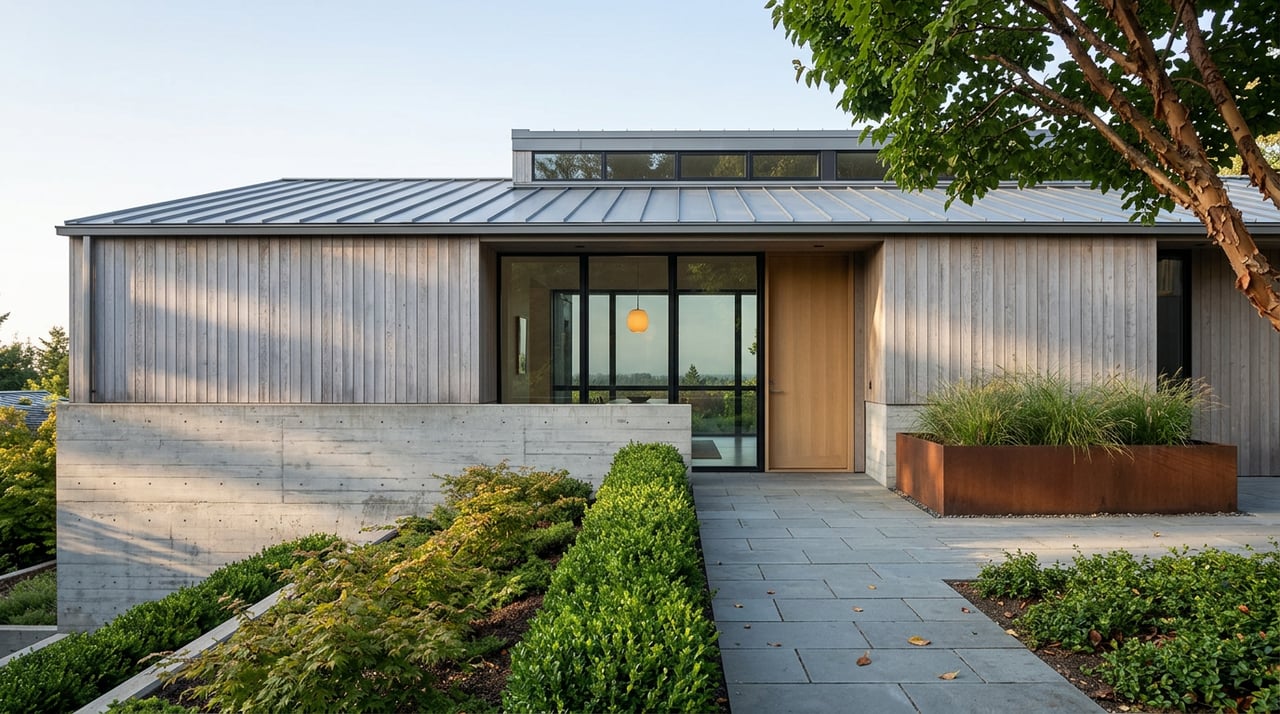
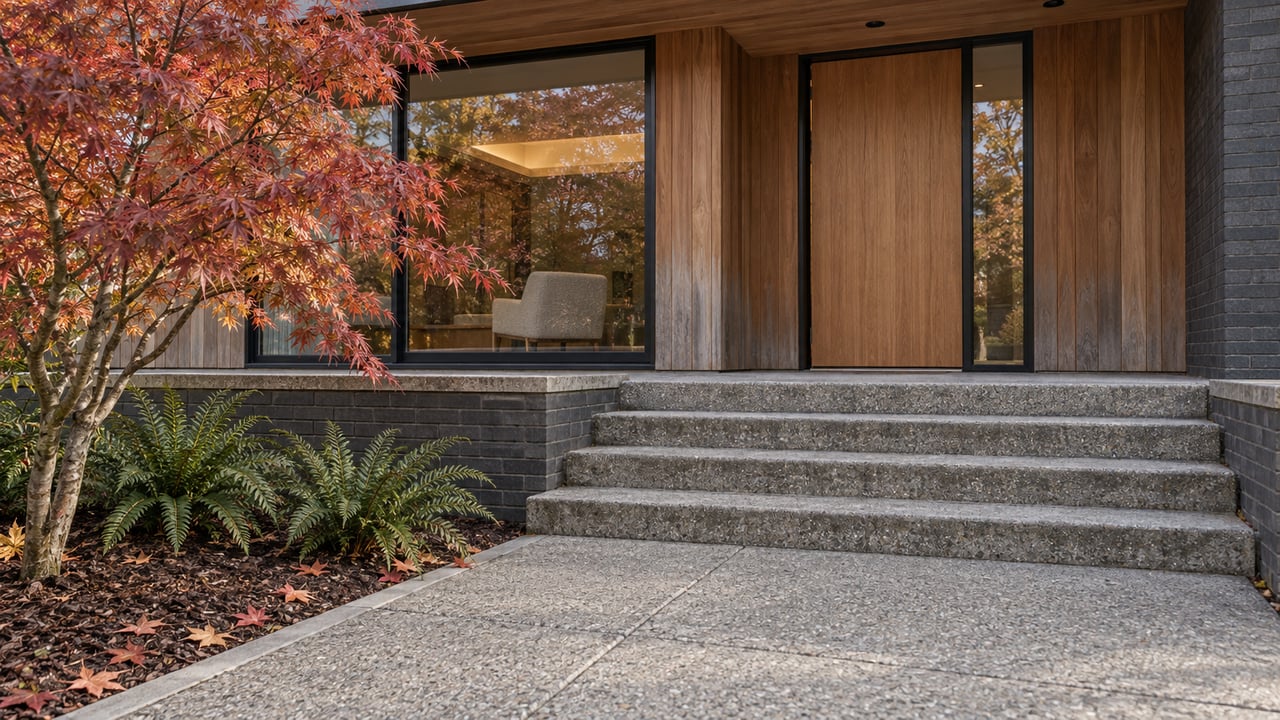
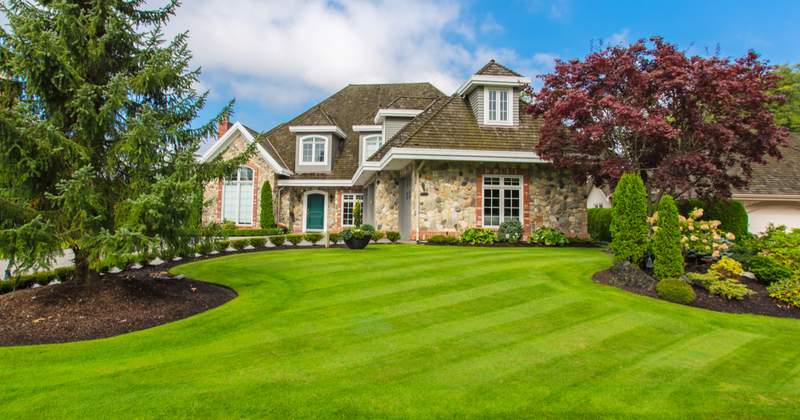
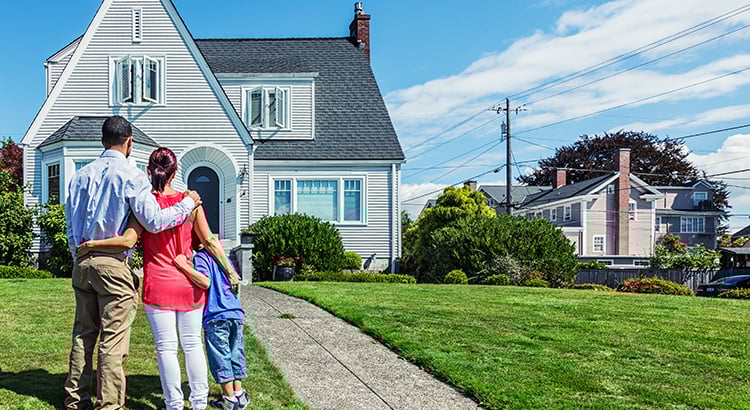
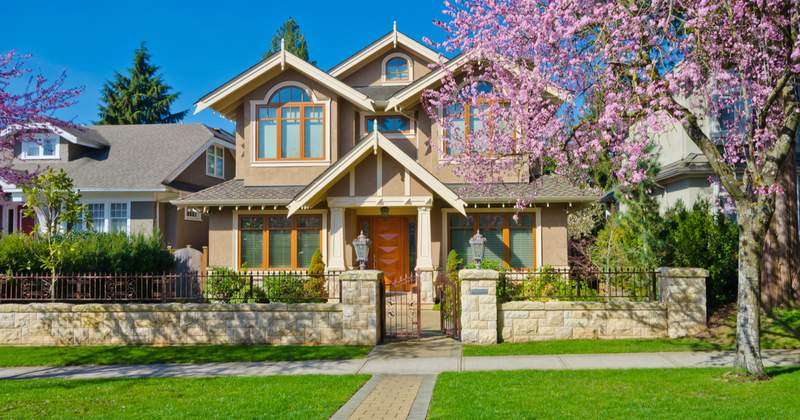
If you are drawn to older homes, Ballard gives you a broad architectural mix. Seattle historical records list styles including Victorian and Queen Anne, vernacular homes, Craftsman, American Foursquare, Colonial Revival, Tudor Revival, Minimal Traditional, and Ranch. In practical terms, that means the housing stock can change noticeably from block to block.
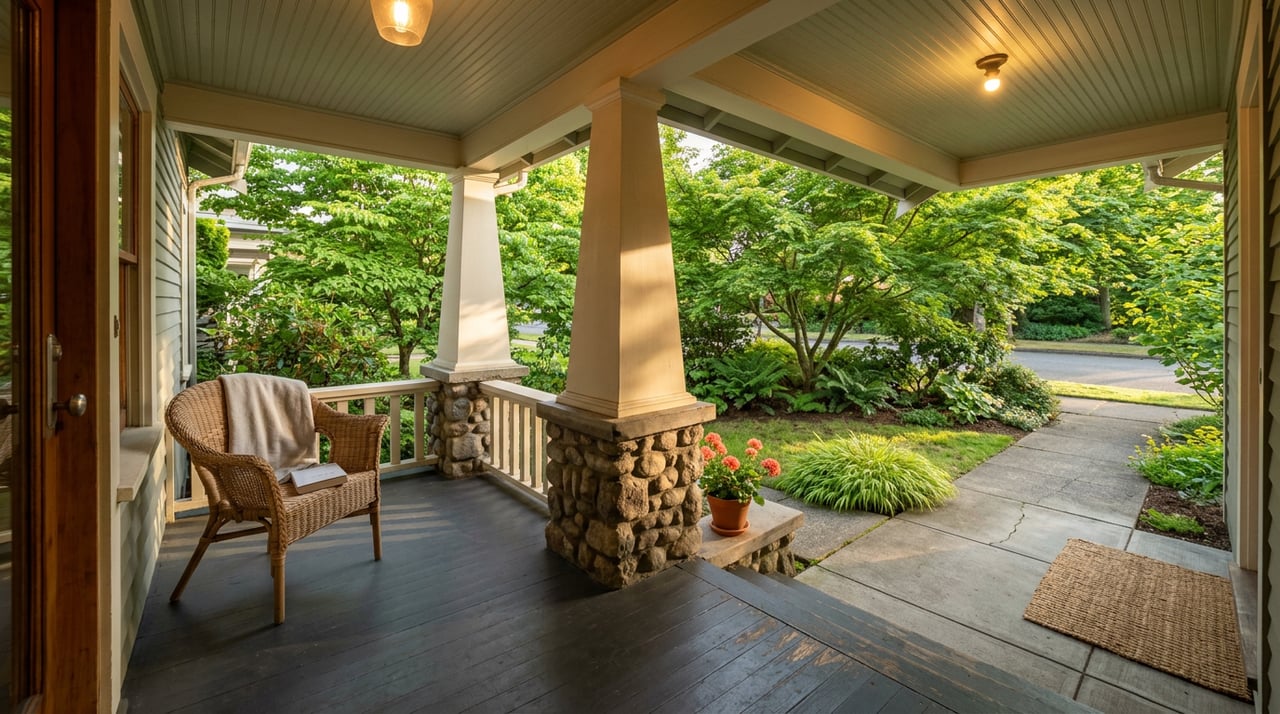
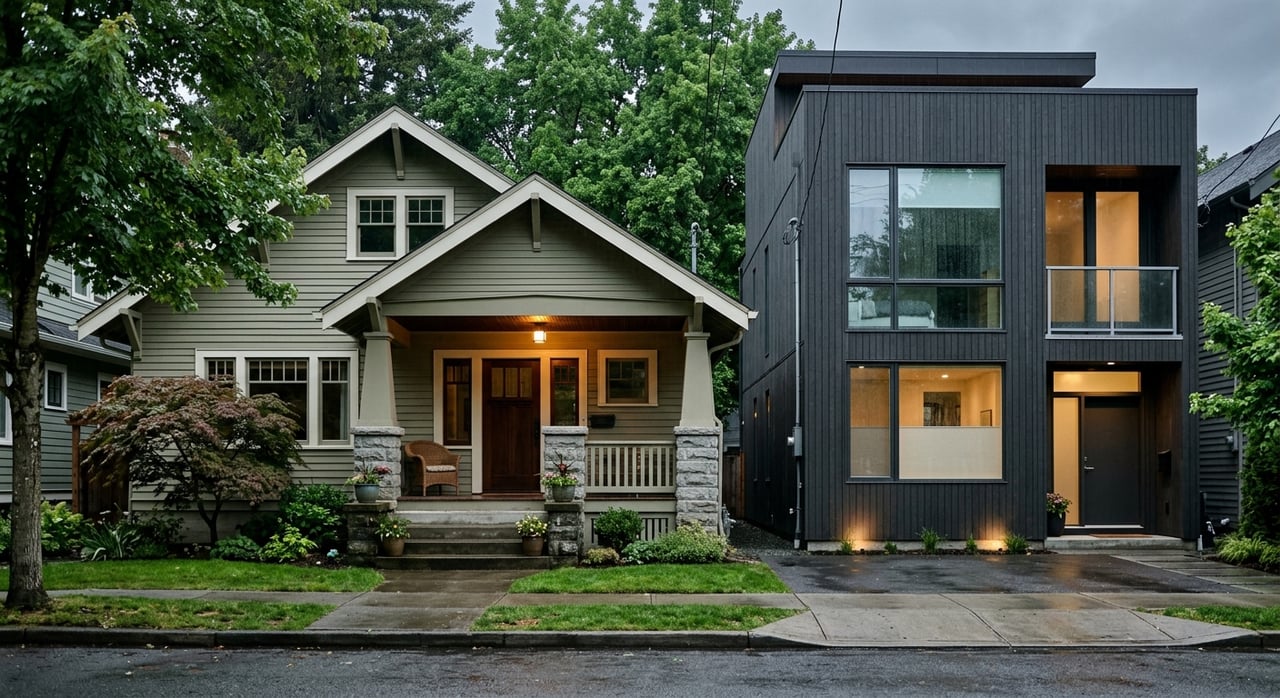
Many buyers are especially interested in early-20th-century homes here. Seattle’s records and planning materials point to compact Craftsman bungalows, cottages, and other older houses that reflect Ballard’s long residential history. These homes can offer character details that newer construction does not typically replicate.
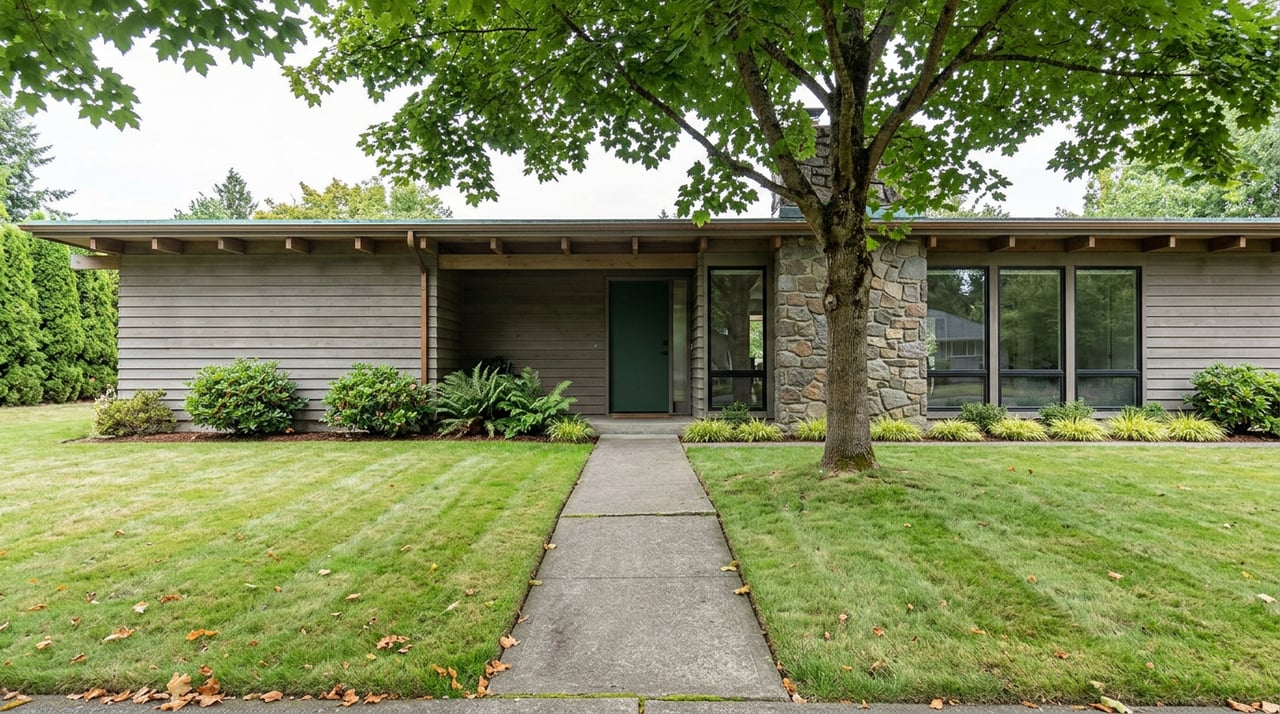
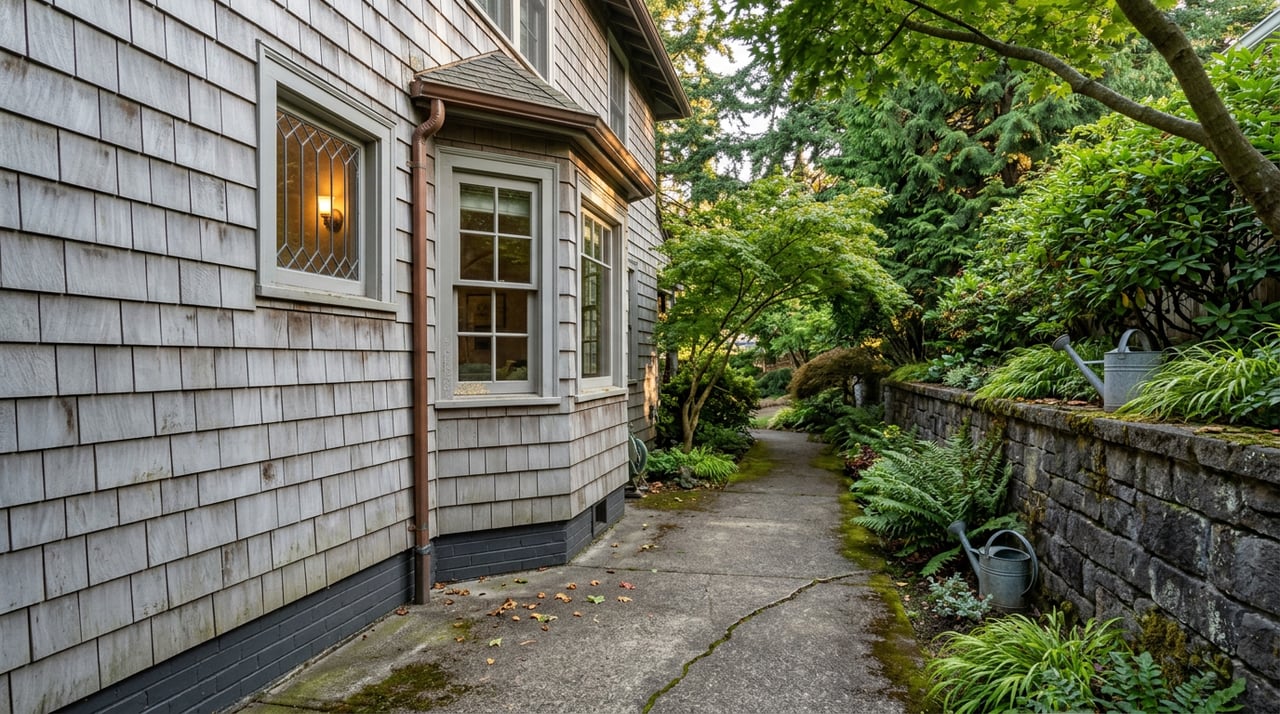
A draft city conditions report adds another useful detail. Many older single-family blocks north of 60th Street NW and west of 14th Avenue NW date to the early decades of the 20th century, with ribbon planting strips, front porches, and generous sidewalks. Those features help shape a pleasant walking environment on many residential streets.
Newer condos and mixed-use options
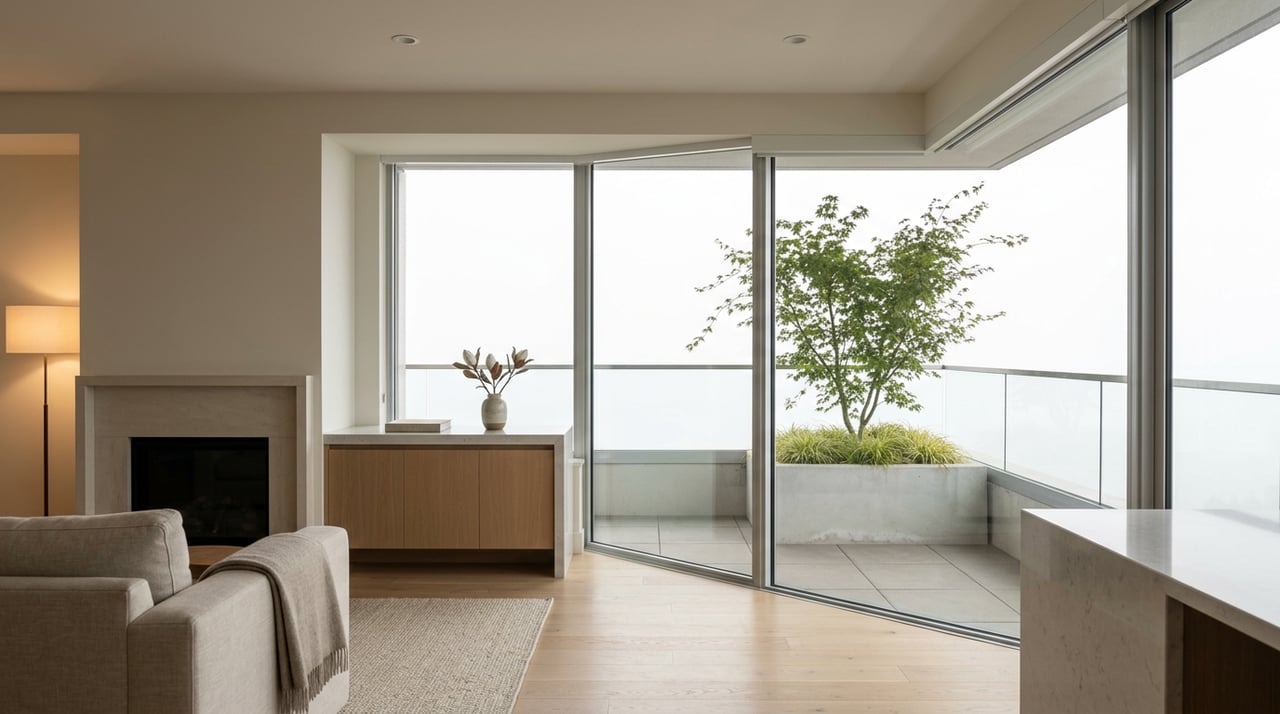
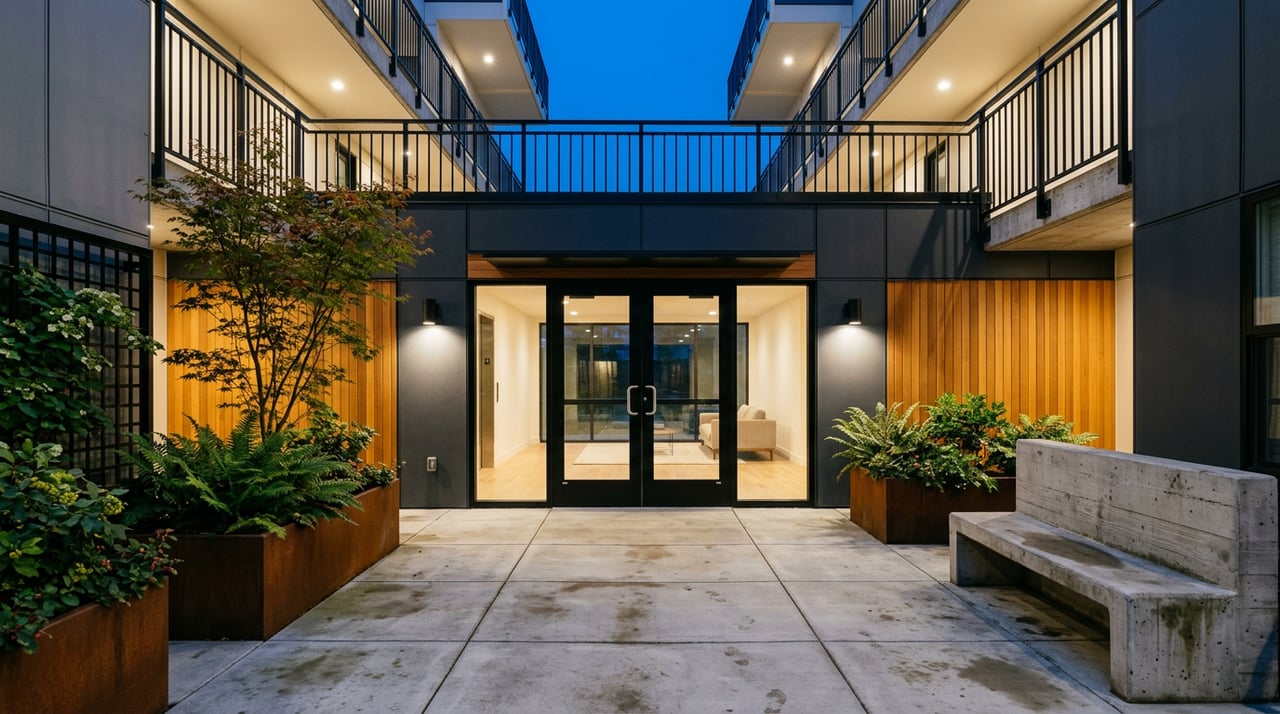
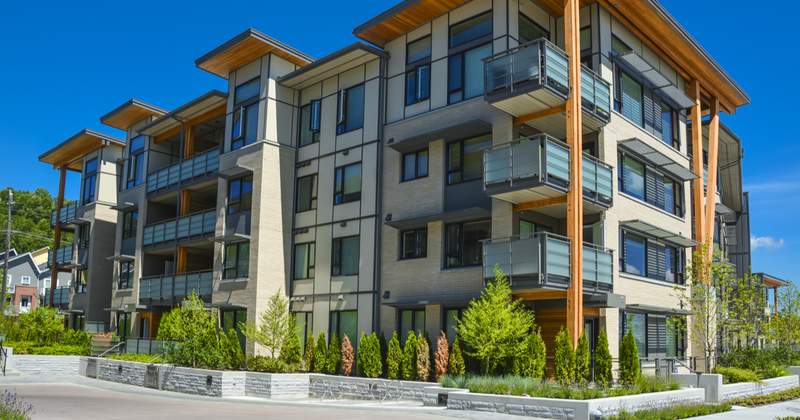
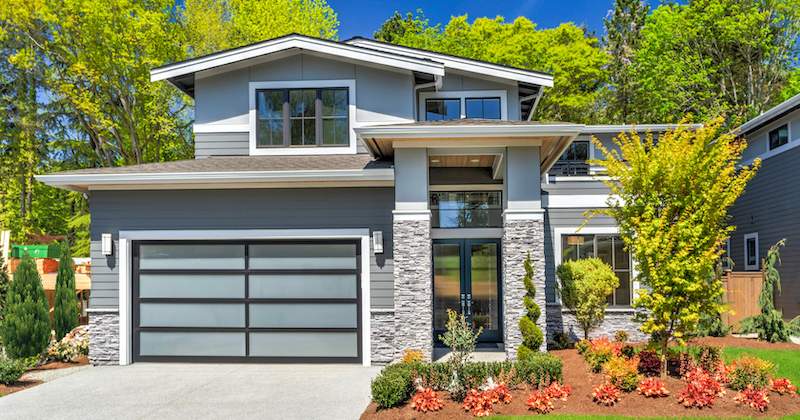
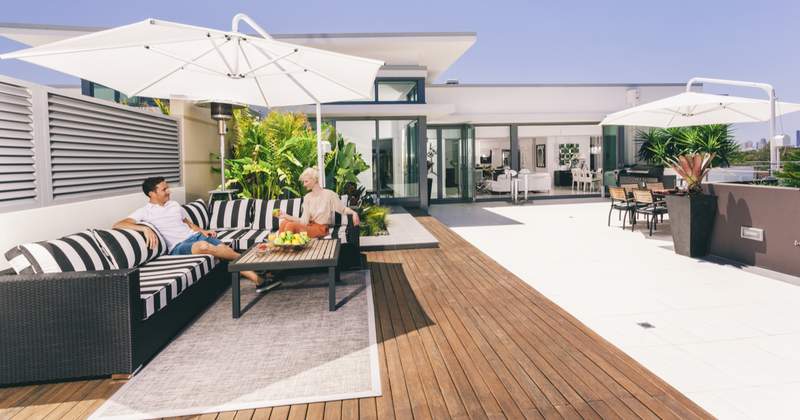
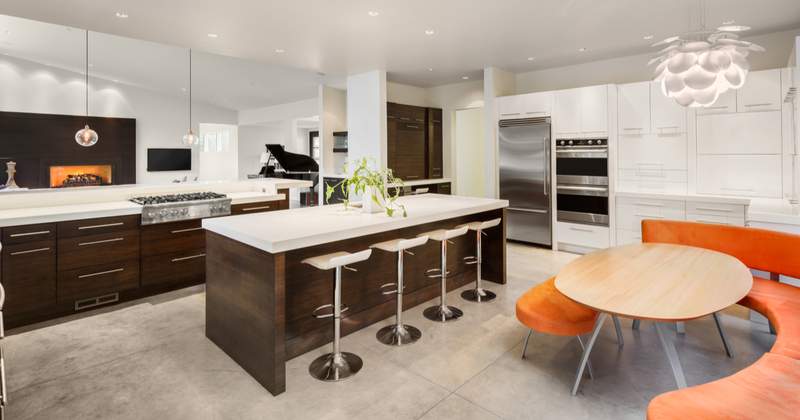
Ballard also works well for buyers who want lower-maintenance living closer to shops, dining, and daily activity. Seattle’s planning materials note newer high-density buildings in the commercial core, often with ground-floor retail and five- to six-story residential levels above. That format creates a more urban, convenience-focused experience.
You can also find lower-rise multifamily options in nearby zones. In some areas, three- to five-story buildings dominate, creating a transition between the quieter single-family areas and the denser core. If you want something between a detached house and a large mixed-use building, these zones may be worth a closer look.
This range matters because it gives you flexibility. You might prioritize a bungalow on a residential street, a condo near Ballard Avenue, or a newer unit that keeps dining and errands close by. Ballard can support each of those goals, depending on the block and building type.
What buyers should watch closely
When a neighborhood has this much variety, your home search needs a clear framework. Start by deciding which matters most: architectural character, lower-maintenance living, walkable access to commerce, or proximity to waterfront recreation. In Ballard, those priorities may point you to different pockets of the neighborhood.
It also helps to pay attention to district rules before making plans for updates. Properties inside the Ballard Avenue Landmark District are subject to exterior review requirements. Seattle’s guidelines state that visible exterior changes generally require a Certificate of Approval, so you should confirm district status before assuming a remodel will be simple.
That kind of due diligence can save time and reduce surprises. In a neighborhood with historic assets, mixed housing types, and different micro-areas, a disciplined approach helps you make a stronger decision. The goal is not just to find a home in Ballard, but to find the version of Ballard that fits how you want to live.
Why Ballard appeals to so many buyers
Ballard’s draw comes from overlap. You get maritime history, active waterfront access, a preserved historic commercial district, a busy dining and brewery scene, and a housing mix that spans older homes to newer multifamily living. Few neighborhoods combine those elements in such a compact area.
For some buyers, the appeal is lifestyle first. They want the Locks, Golden Gardens, and shoreline access to be part of everyday life. For others, the real value is choice, with the ability to compare a character-filled house on a residential block against a condo near the commercial core.
That flexibility is also why Ballard can be a smart neighborhood to study carefully before making a move. The best fit often comes down to matching your routines, budget, and housing preferences to the right section of the neighborhood. When you do that well, Ballard’s layered character becomes a real advantage.
If you are thinking about buying or selling in Ballard, a clear neighborhood strategy can help you move with more confidence and fewer surprises. Mary Lee & Associates brings a process-led, negotiation-focused approach to help you evaluate options, position your home, and make smart decisions in Seattle’s changing market. Schedule a free consultation.
FAQs
What makes Ballard’s lifestyle feel maritime in Seattle?
- Ballard’s maritime feel comes from its history on Salmon Bay, the long-standing fishing fleet presence, the working Hiram M. Chittenden Locks, and direct access to shoreline recreation at places like Golden Gardens Park and Eddie Vine Boat Ramp.
What housing types can you find in Ballard, Seattle?
- Ballard includes older single-family homes, low-rise multifamily buildings, and newer high-density mixed-use residences in the commercial core, so buyers can compare several living styles within the same neighborhood.
Can you find older homes with character in Ballard?
- Yes. Seattle’s historical records show a wide mix of older home styles in Ballard, including Craftsman, American Foursquare, Tudor Revival, Colonial Revival, Victorian, Minimal Traditional, and Ranch homes.
Are there newer condo options in Ballard’s commercial core?
- Yes. Seattle planning materials note newer high-density buildings in the commercial core, typically with retail at ground level and residential floors above.
What should buyers know about the Ballard Avenue Landmark District?
- Buyers should know that visible exterior changes to properties within the Ballard Avenue Landmark District generally require a Certificate of Approval, so it is important to verify district status before planning major exterior updates.