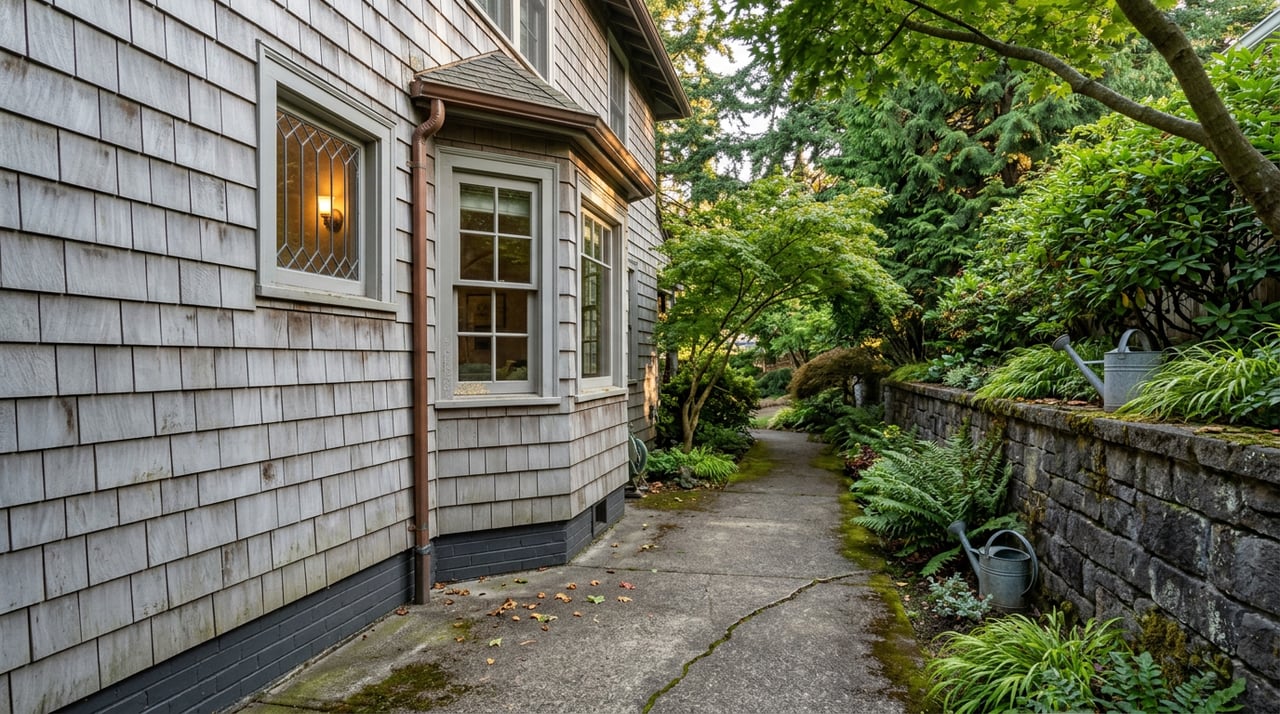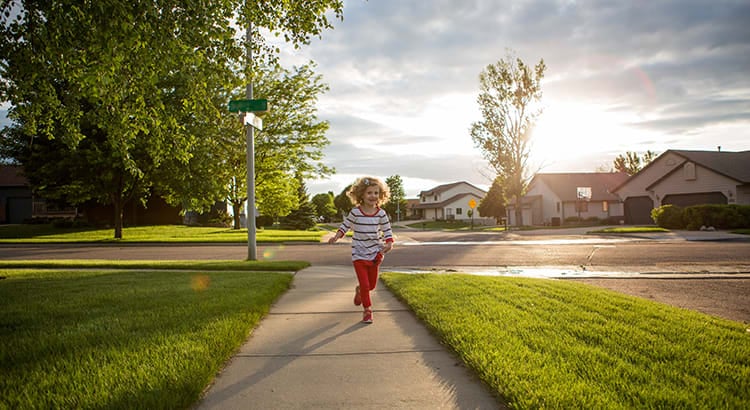
Walk the greenbelt path past Larsen Lake this week and you will notice the U-pick signs are gone. The blueberry bushes that draw pickers from mid-July through early September have finished their run for the year, though the farm stand run by Cha New Life Garden typically keeps selling other produce and cut flowers into October. On the same walk, check your mailbox, and you will likely find two different pieces of paper asking you to think about what Lake Hills should look like next. One is a postcard about a Bellevue city meeting on September 17. The other is a flyer about a kickoff that already happened on September 10.
Both look like the same civic invitation. They are not. One of them closed its door to new ideas back in April. The other just opened its door and is still listening. If you only have time to show up to one meeting this fall, the difference matters.
The Meeting That Shows What Made the Ballot
The September 17 open house at Bellevue College is part of the city's Neighborhood Enhancement Program, a rotating process that gives each of Bellevue's neighborhood areas a turn at a dedicated capital improvement budget. Lake Hills is one of two areas up this cycle, alongside Downtown Bellevue, and the two budgets are not the same size. Downtown's allocation is $975,000. Lake Hills has $622,000 to work with.
The process runs in a fixed sequence: residents submit project ideas, city staff scope them against program criteria, the eligible projects go on preview at a public open house, then every household gets a mail ballot to rank their top three, and whatever wins gets built within five years. The submission window for Lake Hills closed on April 22. City staff have spent the months since reviewing 175 ideas that came in before that deadline. What happens at Bellevue College on the 17th is a preview, not a workshop. You can see what made the cut. You cannot add something new to the list.
That is worth knowing before you walk in expecting a brainstorming session. The idea-submission point for this cycle already passed. The one still ahead of you is the mail ballot, which arrives after the open house and lets you rank three of the finalists. That is a meaningful vote, but it is a vote on a menu someone else already wrote.
The Meeting That's Still Writing the Menu
A week before that open house, a different process kicked off at Kelsey Creek Farm. Great Neighborhoods is Bellevue's program for updating the 20-year area plans that guide zoning, growth, and neighborhood character across the city's comprehensive plan cycle. Lake Hills and West Lake Sammamish are the two areas up for their update now, and the September 10 kickoff was the starting gun, not the finish line.
Before the kickoff, the planning team ran a public space assessment on August 13, a 90-minute walk through the neighborhood with free coffee and doughnuts, built around identifying gaps in access to gathering places, public spaces, and pedestrian routes. That is the kind of groundwork that shapes a 20-year plan more than any single ballot item shapes a five-year capital budget. If you want a voice in whether Lake Hills gets better sidewalk connections to Lake Hills Village, more usable green space along the greenbelt, or different guidance on how new development relates to the neighborhood's older streets, this is the process where that conversation is still open. It just started. There will be more sessions.
Here is the plain comparison, since the two get confused for a reason:
| NEP (Lake Hills) | Great Neighborhoods (Lake Hills + West Lake Sammamish) | |
|---|---|---|
| What it funds | Specific small capital projects | A 20-year area plan, no direct construction dollars |
| Budget | $622,000 | Not a dollar figure, a planning document |
| Input window | Closed April 22 | Just opened September 10 |
| September event | Sept. 17 open house at Bellevue College, previewing the ballot | Kickoff already held; more engagement expected as the plan develops |
| What residents do next | Vote by mail on top three finalists | Keep participating as sessions continue |
If you missed the NEP submission deadline in April, that window is gone until the program rotates back to Lake Hills in roughly seven years. If you have opinions about density, park access, or how the neighborhood should grow over the next two decades, Great Neighborhoods is where those opinions still count.
Why the Greenbelt Sits at the Center of Both
The Lake Hills Greenbelt, the wetland corridor that runs from Phantom Lake north toward Larsen Lake and its surrounding blueberry fields, is the kind of shared space both programs care about, just at different scales. A NEP-funded project might mean a new bench, better trail signage, or a small park amenity, the sort of thing $622,000 can realistically deliver within five years. A Great Neighborhoods conversation is more likely to touch how that greenbelt connects to the rest of the neighborhood over the next 20 years, whether that means better pedestrian links to Lake Hills Village and the branch library next door, or clearer guidance on preserving the corridor as more households move in.
Larsen Lake Blueberry Farm sits inside that greenbelt, on land the city has held onto since blueberries were first planted there in the 1940s. The farm closing its U-pick rows for the season is a small, easy to miss marker that the same land two separate planning processes are discussing is also, right now, a working farm stand with buckets put away for the year. That overlap is not an accident. It is what happens when a neighborhood's oldest green space becomes the test case for its newest planning conversation.
What the Neighborhood Runs on Its Own
City Hall is not the only calendar in Lake Hills this fall. The Lake Hills Neighborhood Association keeps its own rhythm going regardless of which municipal process is active. The group's fall lineup includes its annual picnic at Evergreen Park, the kind of gathering members describe as their favorite day of the year, plus a neighborhood walk timed to bring residents together with city department directors. On October 8, the association is hosting its recurring candidate forum, a chance to hear directly from people running for local office before ballots go out.
None of that requires a city agenda item to happen. It is the association doing what associations do, building the informal version of the same civic muscle the NEP and Great Neighborhoods processes are trying to formalize. If you want a lower stakes way to meet the neighbors who show up to the higher stakes meetings, the picnic and the candidate forum are both easier entry points than a Bellevue College open house.
The Part Worth Remembering
Two city processes are stacked on top of each other in Lake Hills this month, and they can look interchangeable if you only skim the mailers. One closed its idea-submission window back in April and is now showing the projects that made the cut. The other started last week and is still asking what you think. Knowing which is which is the difference between showing up to watch a vote happen and showing up to help write what gets voted on next time, or twenty years from now.
Mary Lee & Associates works with buyers and sellers across Mercer Island, Seattle, and the Eastside, including neighborhoods like Lake Hills where the civic calendar moves as fast as the market does. If you are weighing a move in this part of Bellevue and want a read on what these planning conversations could mean for a specific street or property, schedule a free consultation with our team.