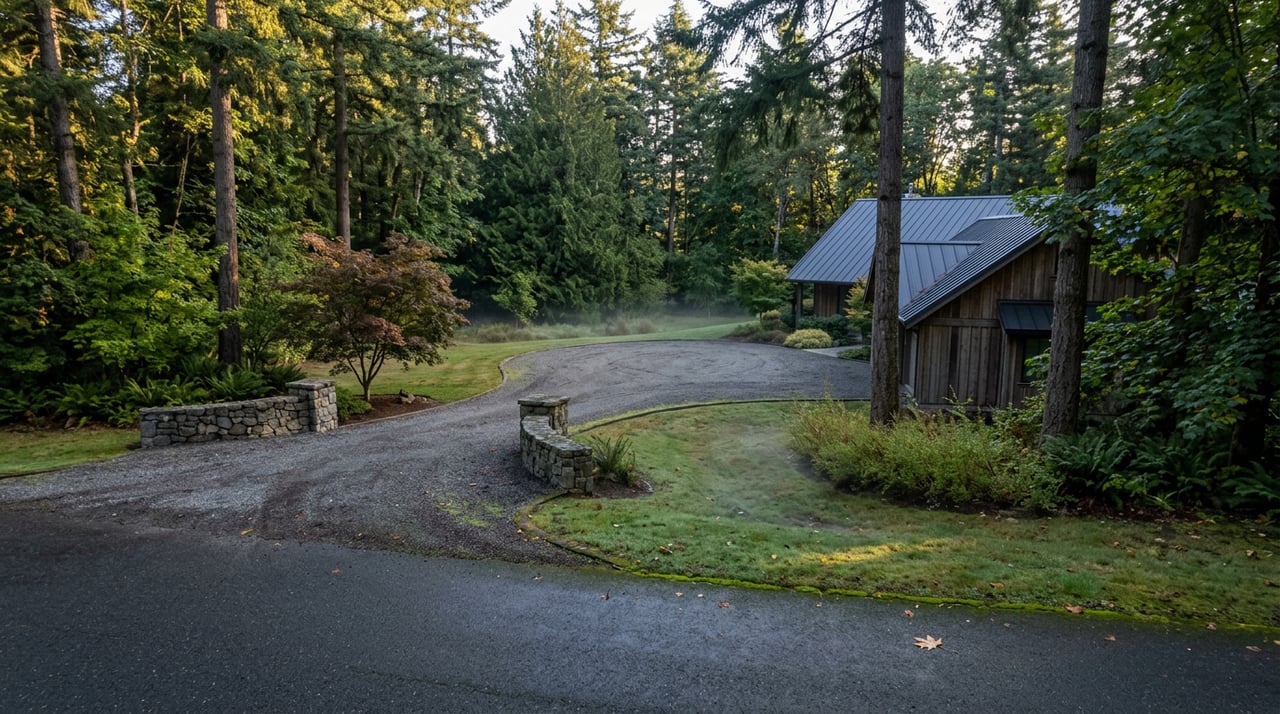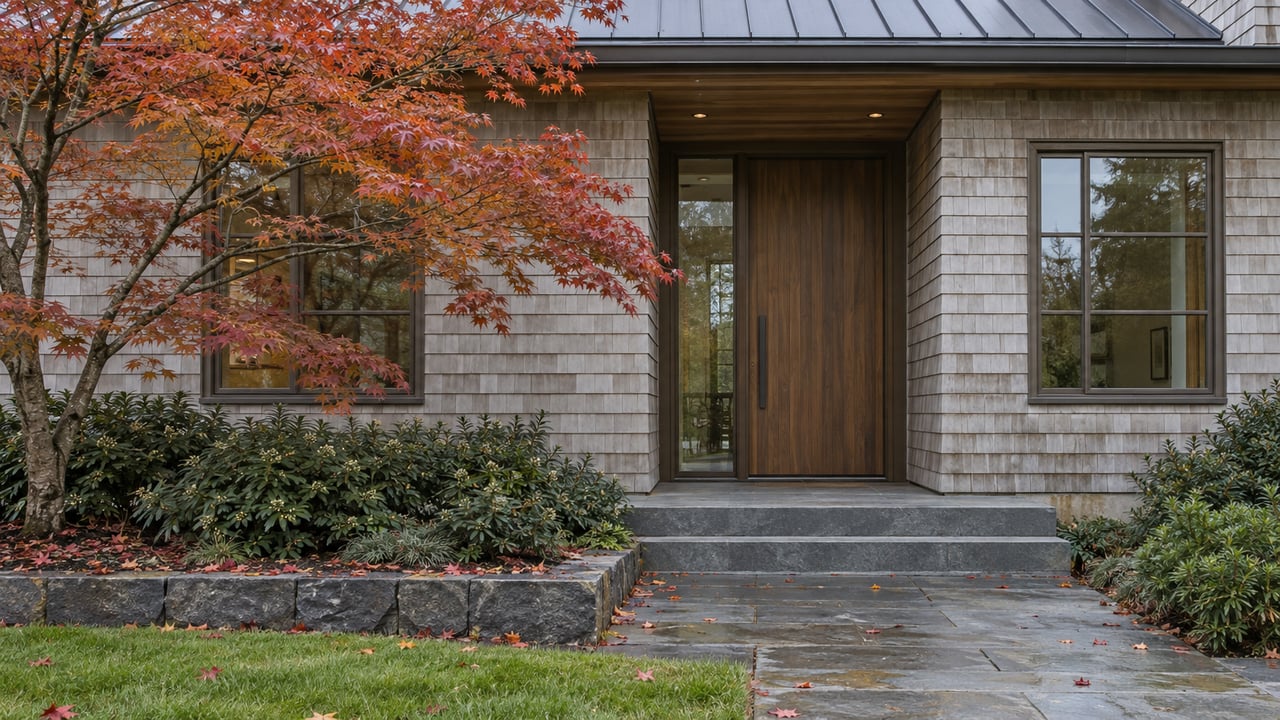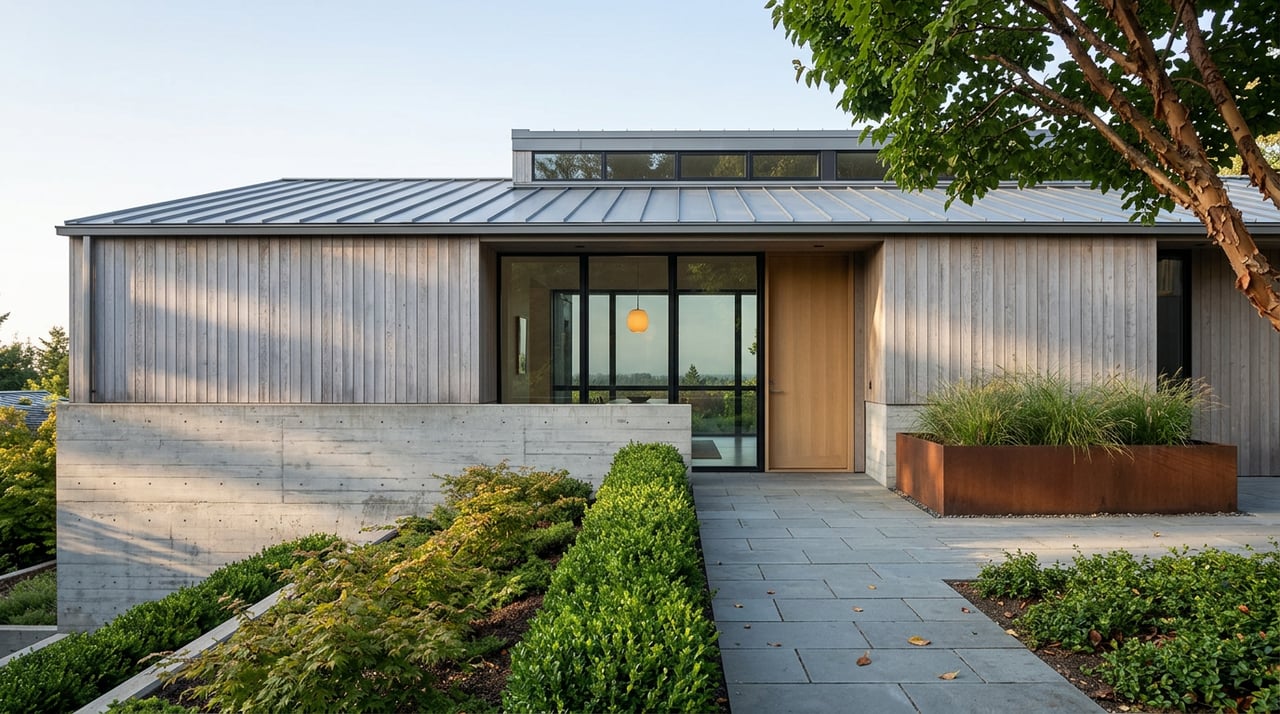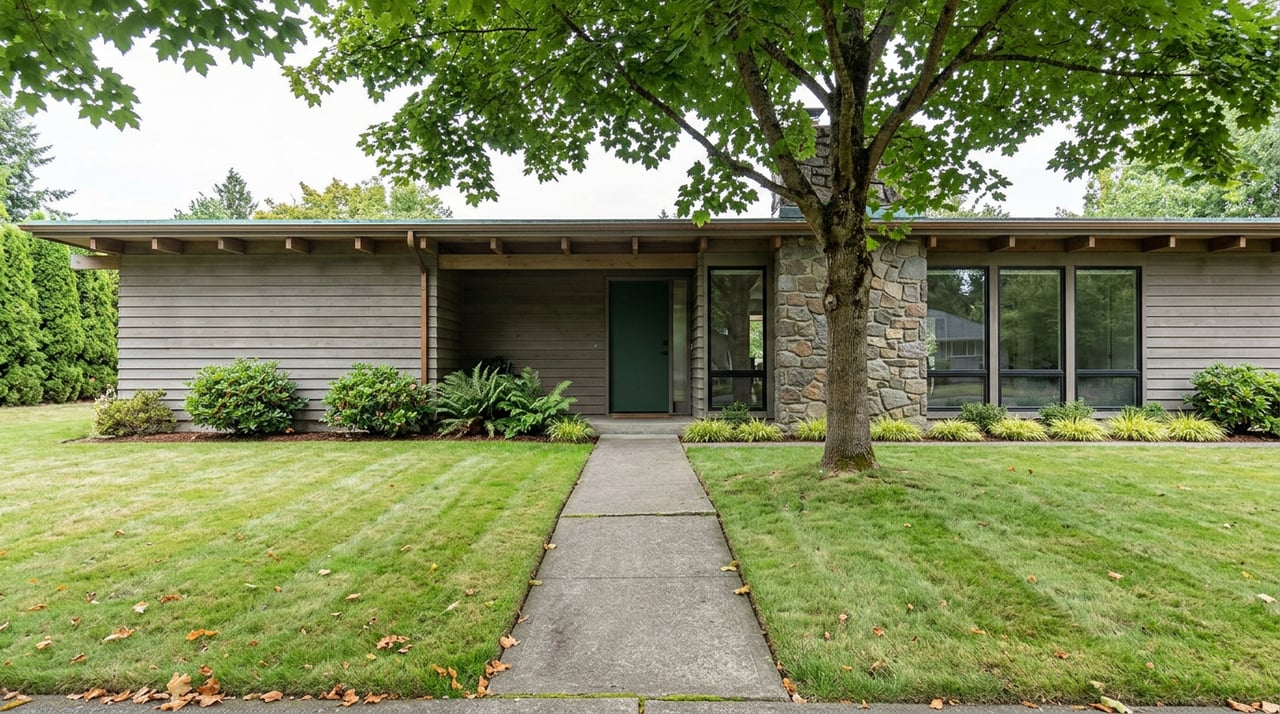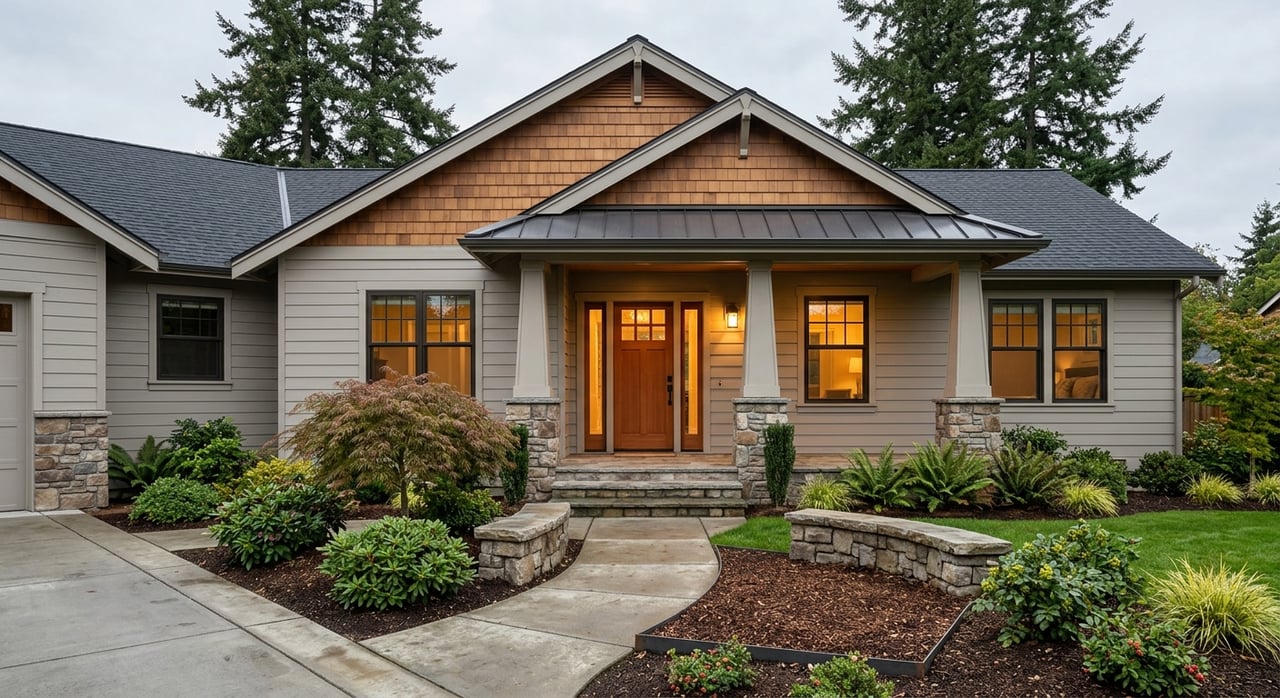
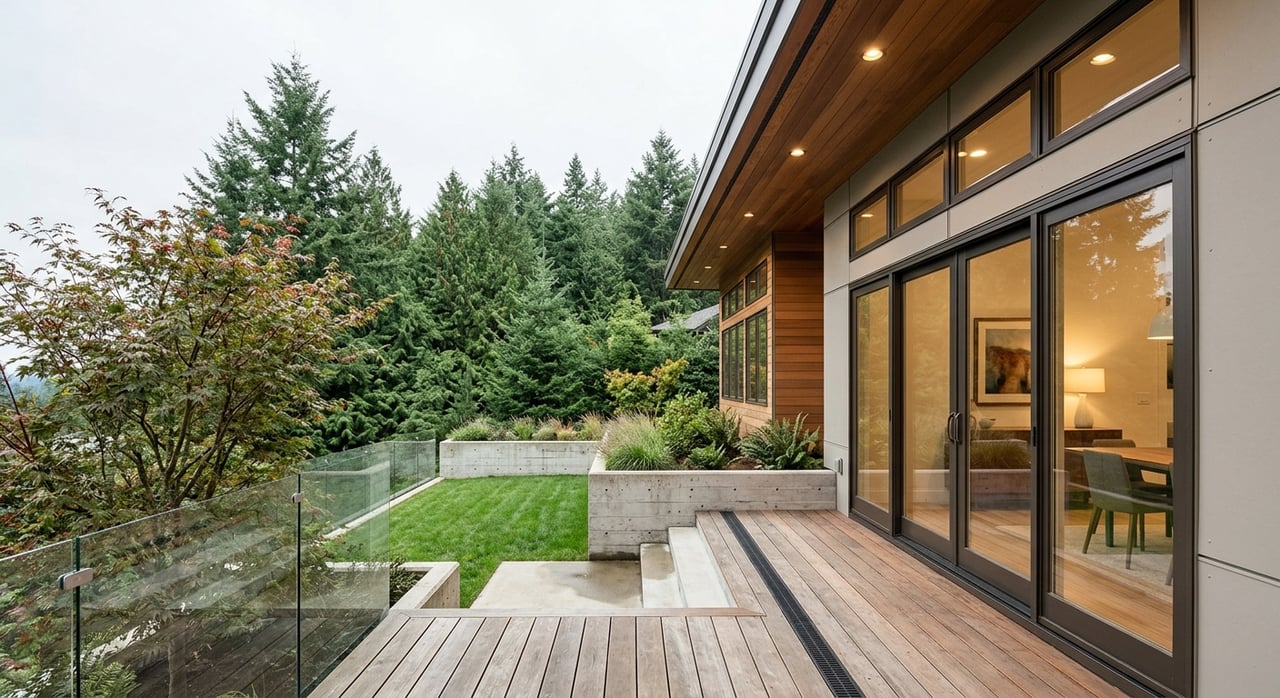
Wondering whether a Clyde Hill view home is the right next step for your household? If you are moving up in price, space, or lifestyle, this market can be exciting and tricky at the same time. The right purchase here is often less about flashy finishes and more about how the view, lot, and long-term livability work together. Let’s break down what matters most before you buy.
Why Clyde Hill Stands Apart
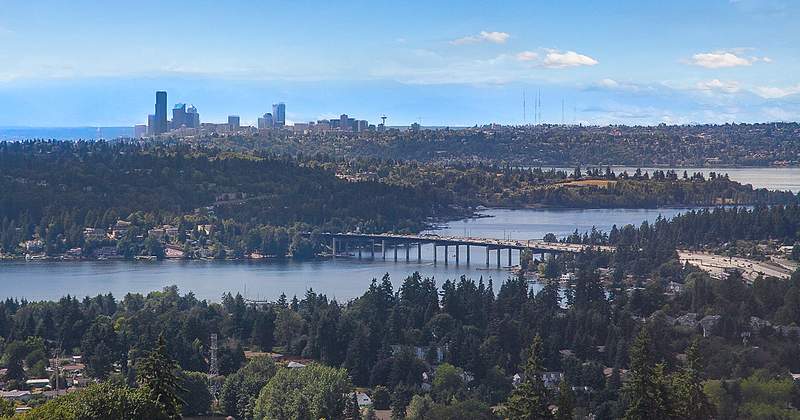
Clyde Hill is a small, high-elevation city in the Eastside, roughly 1.5 to 2 miles east of Seattle and centrally placed in the Seattle-Bellevue metro area. According to the city’s 2024 to 2044 Comprehensive Plan, it is primarily a low-density, single-family community where views, tree canopy, and a compact land pattern are central to its identity.
That matters because Clyde Hill is also largely built out. The city says only a few vacant single-family lots remain, which helps explain why inventory can feel tight and why specific property traits often matter more than broad market averages.
Recent data confirms the market’s luxury profile, but the numbers measure different things. Redfin reports a median sale price of $6.5 million over the last three months with homes averaging about 18 days on market, while Realtor.com shows a median listing price of $6.53 million and 23 active listings, and Zillow reports a typical home value of $4.13 million with 15 homes for sale.
For you as a move-up buyer, the takeaway is simple: Clyde Hill is a small-supply, high-price market where property-specific details drive value. In a market with fewer transactions, month-to-month shifts can look dramatic, so current comps and careful due diligence matter.
What a View Home Really Costs
In Clyde Hill, the premium is not just for square footage. You are often paying for elevation, outlook, privacy, and the way the home captures those features.
Current inventory shows how broad the range can be. Redfin’s Clyde Hill view-home page shows 19 homes with a view and a median listing price of $4.95 million, with examples ranging from about $3.17 million to $12.59 million.
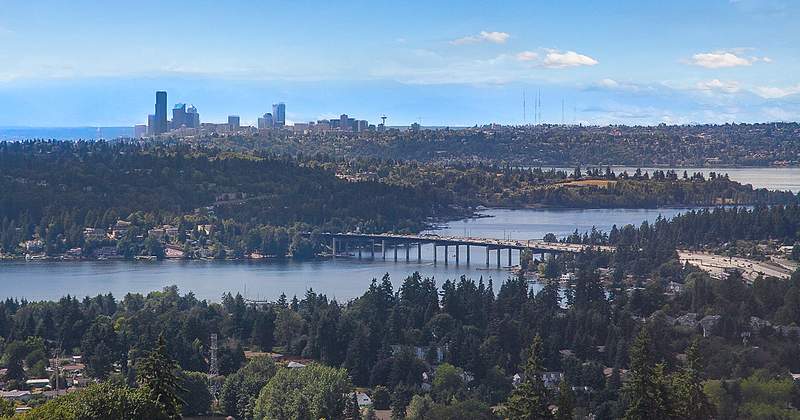
Those listings also show that “view” can mean very different things. Some homes look west toward the Seattle skyline and Lake Washington, while others feature Bellevue, the Olympic Mountains, or Mount Rainier.
The practical question is not just whether a home has a view today. It is whether the view is broad, how the home lives around it, and how durable that outlook may feel over time.
How Clyde Hill Handles Views
Clyde Hill’s view ordinance treats both trees and views as important contributors to property value. The city does not promise a totally unobstructed view, and its policies aim to balance tree canopy, sunlight, privacy, and view access.
The city’s planning documents also say Clyde Hill does not encourage tree removal to create new views. That means a dramatic view from a deck or main living area may still come with some uncertainty if surrounding landscape changes over time.
For buyers, this creates an important distinction. A panoramic view is not automatically the better buy if it feels fragile, while a slightly narrower view may be more compelling if the site geometry and surrounding conditions make it feel more stable.
Lot Size Is Not the Same as Usable Space
Many move-up buyers see Clyde Hill’s larger lots and assume they will automatically get generous outdoor living space. In practice, that is not always true.
Under the city’s R-1 zoning code, the minimum lot area is 20,000 square feet, with at least 100 feet of frontage and 100 feet of depth. Private roads and pipe-stem driveways do not count toward that minimum, which can make a lot look better on paper than it feels in real life.
Setbacks also shape what you can actually use. The code limits front setbacks to 30 feet, side yards to 15 feet on lots 15,000 square feet and larger, rear setbacks to 35 feet, and structural coverage to 30 percent of the building site.
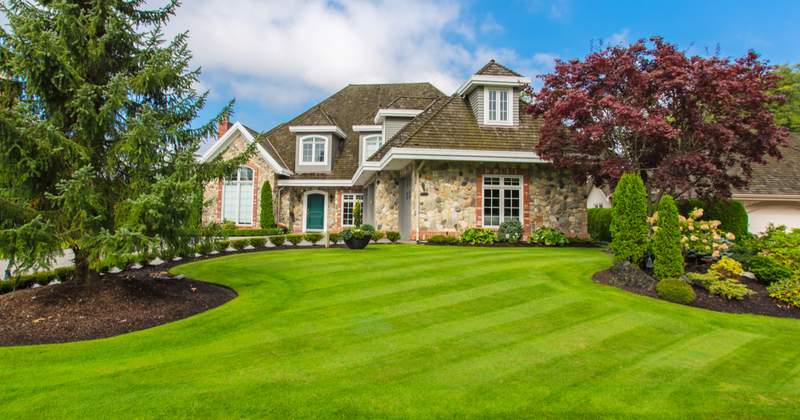
That means the true question is not just lot size. It is how much flat, functional, and private space remains after setbacks, access, mature trees, and the home’s placement are taken into account.
Watch Corner Lots and Driveway Geometry
Lot shape matters more in Clyde Hill than many buyers expect. Corner lots and through lots receive special treatment under the code, and driveway placement rules can affect garage access, privacy, and usable yard area.
A wide lot with awkward access may limit how the front approach feels or how the backyard functions. A pipe-stem configuration may create a different sense of arrival and can reduce what counts toward the site’s minimum dimensions.
This is where move-up buyers benefit from a process-led review. Before you fall in love with a floor plan, it helps to understand how the lot works day to day.
Renovation Potential Can Beat Turnkey Appeal
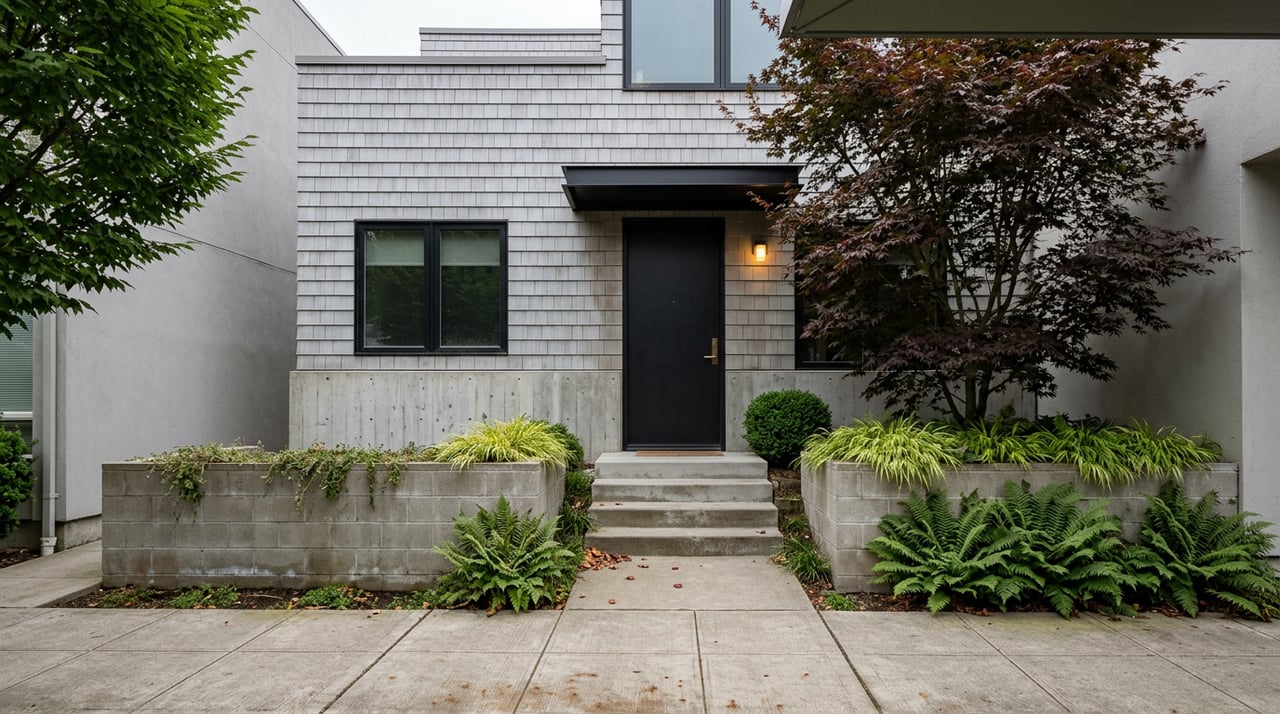
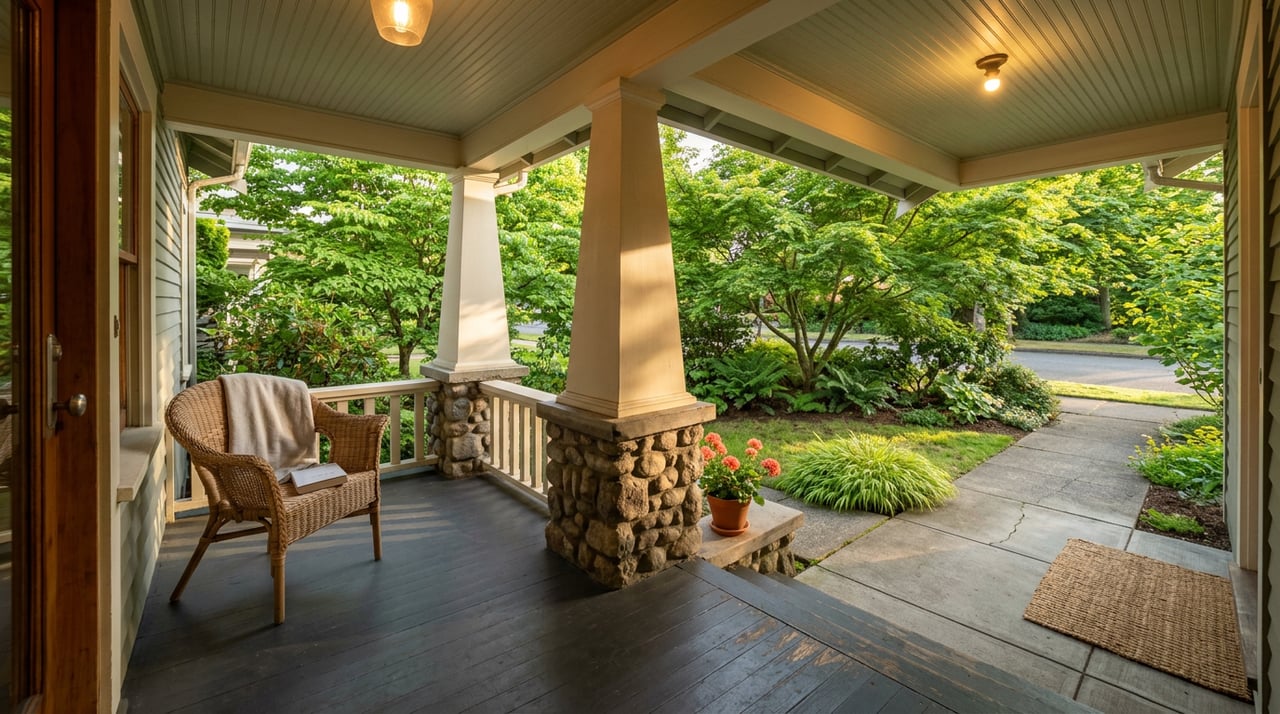
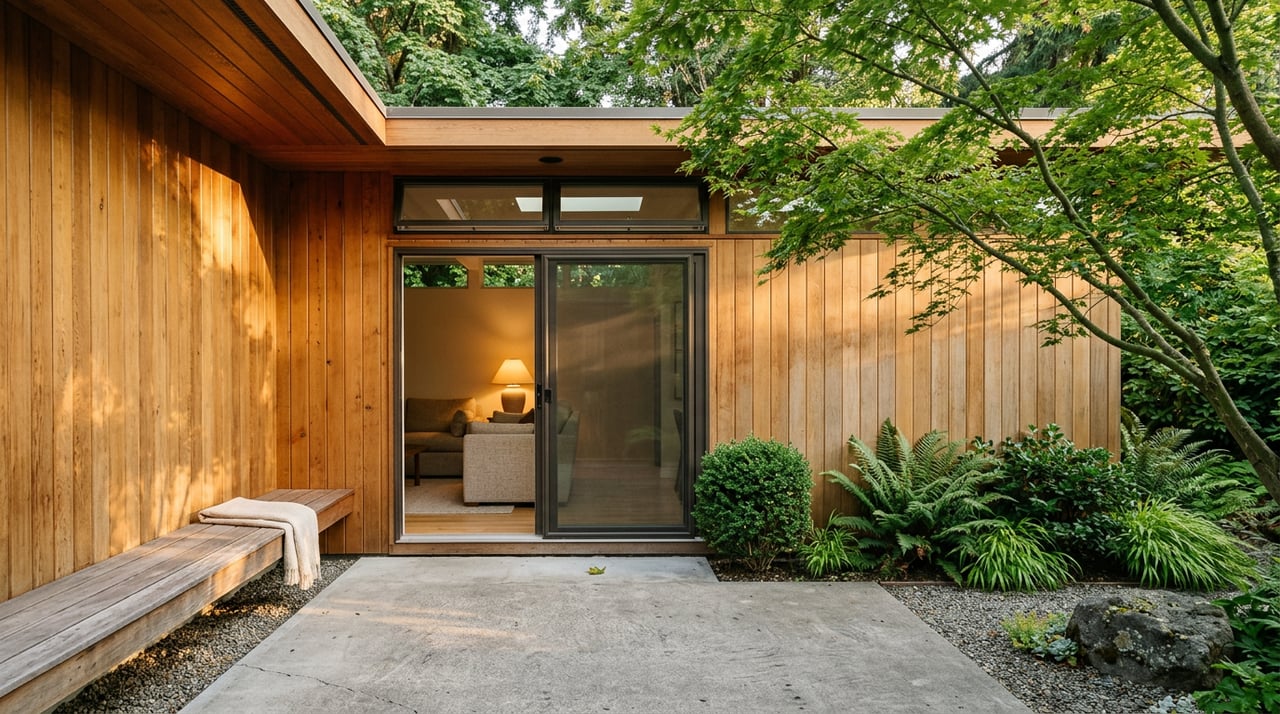
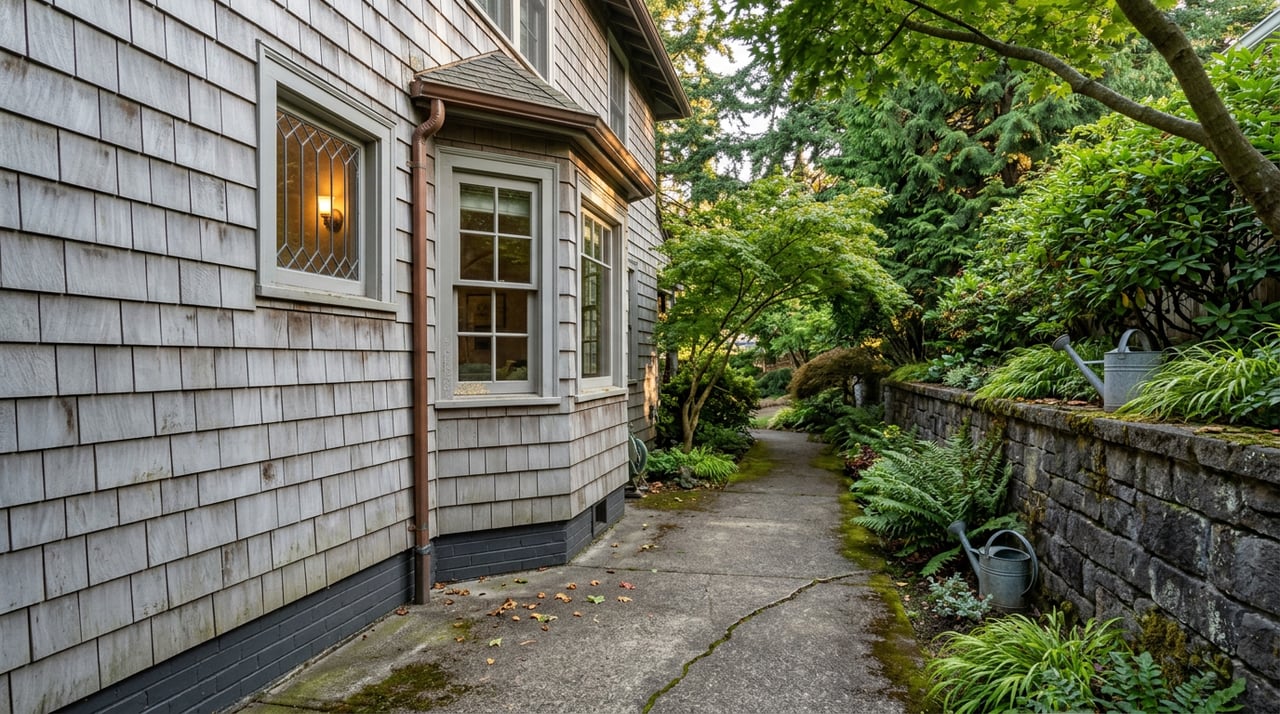
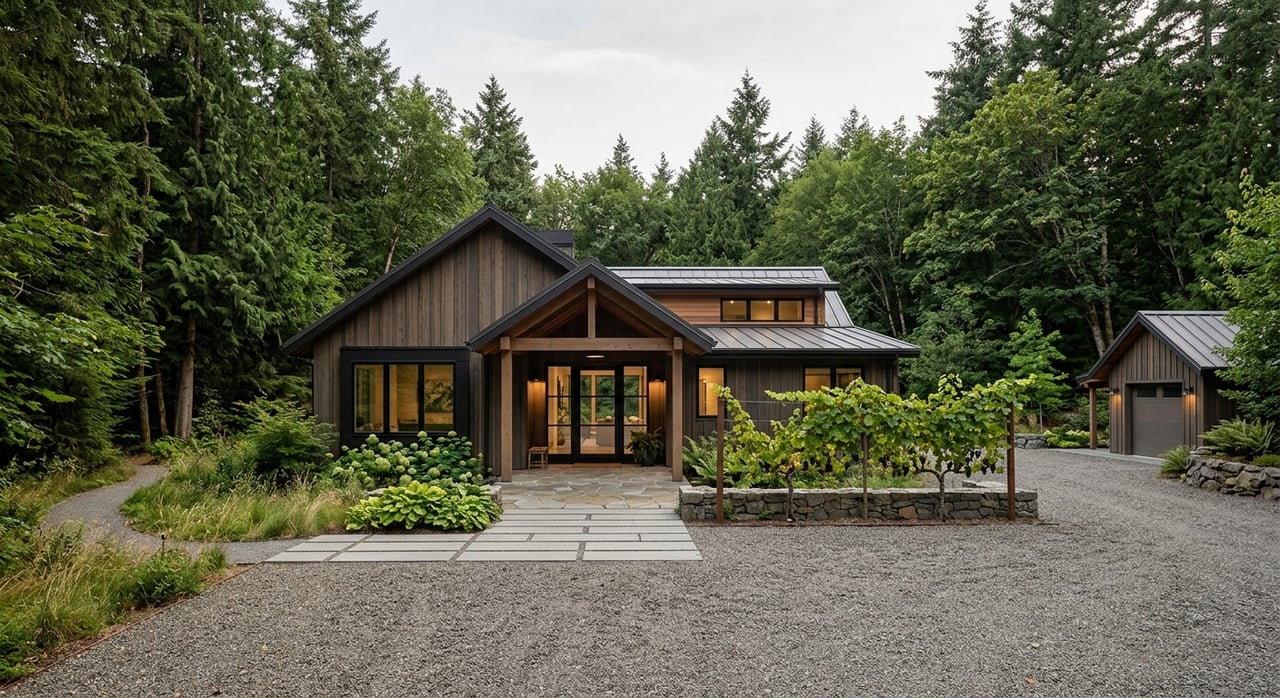
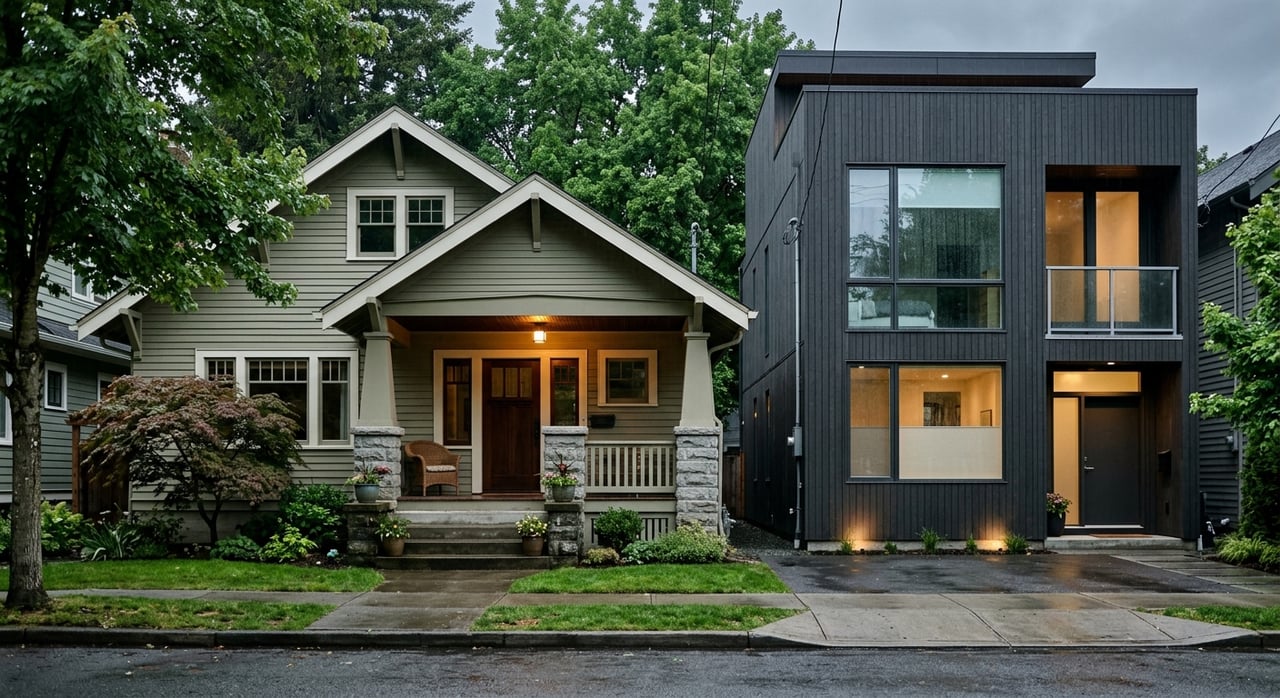
Clyde Hill has an eclectic housing stock because the city has no formal residential design standards. The comprehensive plan notes a wide variety of architectural styles, colors, materials, home sizes, and site layouts throughout the city.
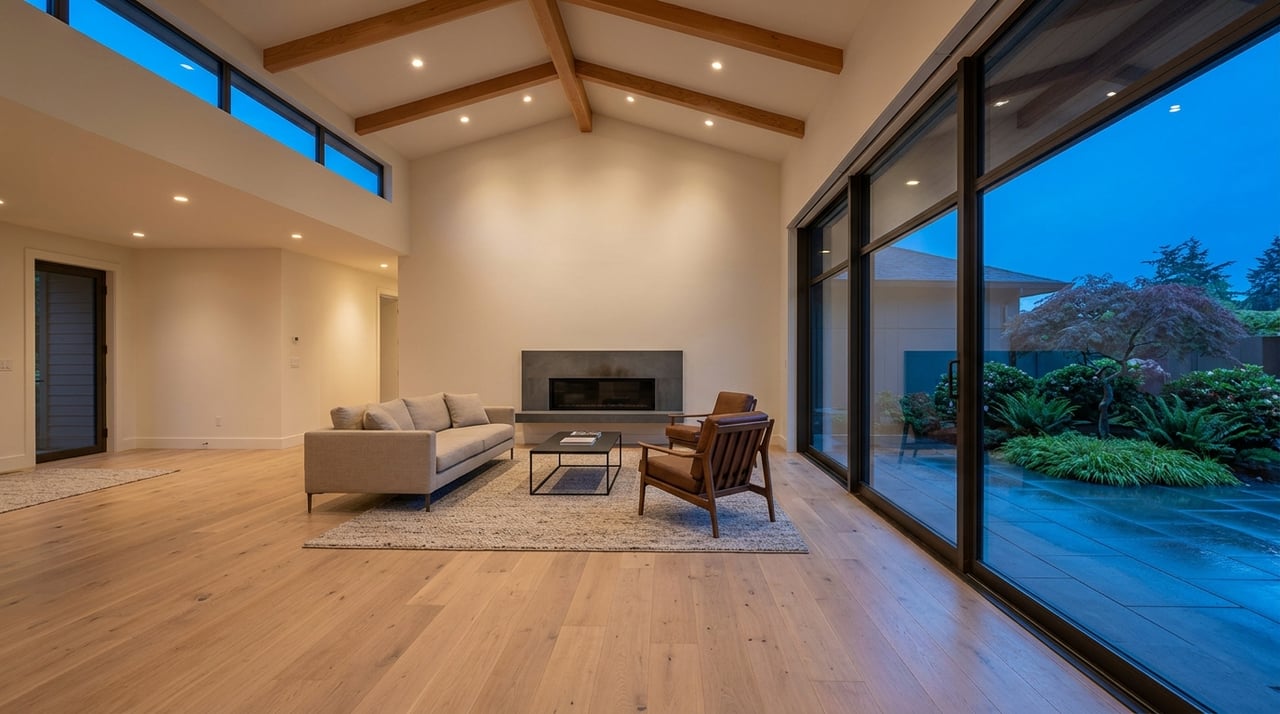
In the current market, that shows up as a mix of original mid-century homes, renovated classics, and newer custom builds. Listing descriptions reference iconic mid-century modern homes, renovated view retreats, and Northwest contemporary properties.
For you, the style label is often less important than the site and the update path. A structurally sound older home on a strong lot may offer better long-term upside than a smaller turnkey home on a weaker site.
That does not mean every remodel candidate is a smart buy. It means you should weigh renovation scope against the underlying lot quality, privacy, and view value before deciding what is worth paying for.
Accessory Space Has Limits
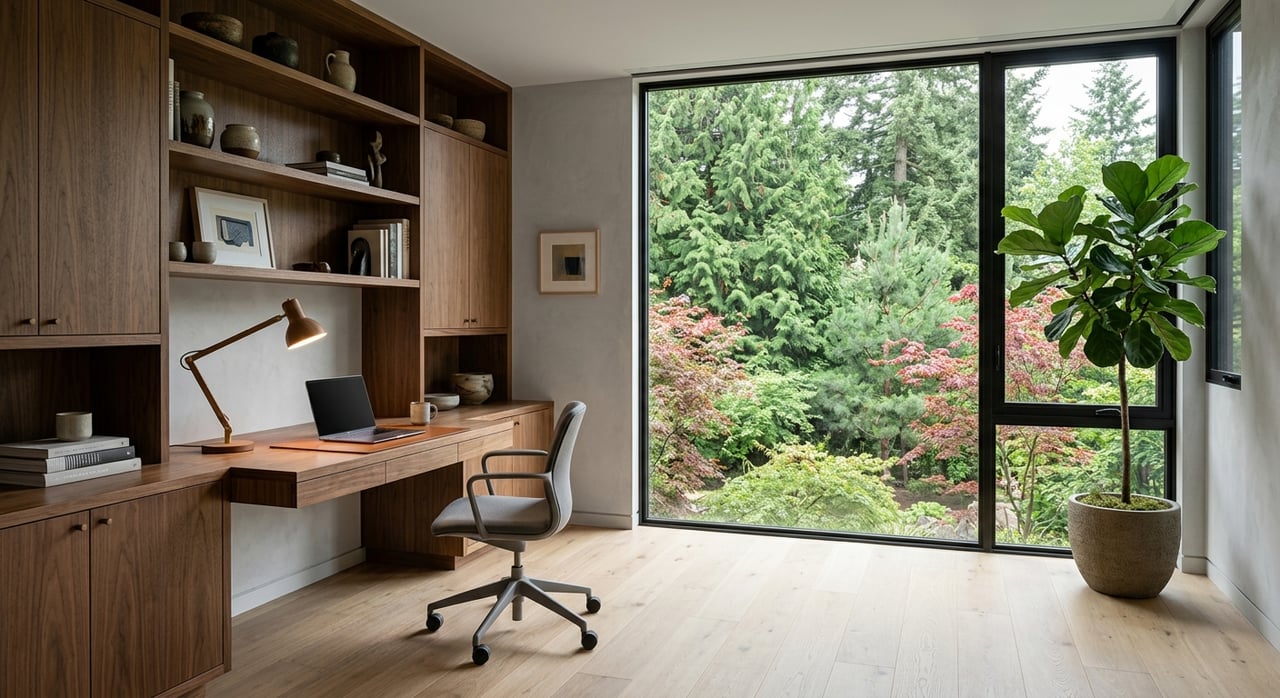
If your move-up wish list includes a detached office, studio, or cabana, verify those plans early. Clyde Hill’s code limits accessory structures, so not every large yard can support additional detached space.
This matters because many buyers mentally spend future value before confirming what the property can actually accommodate. In a market where land is scarce and heavily shaped by code, assumptions can get expensive.
A careful review up front can save you time and help you compare homes more realistically.
Neighborhood Change Will Likely Be Incremental
Washington’s middle-housing and ADU requirements now form part of the local backdrop, and Clyde Hill adopted Ordinance 1019 to implement those state requirements. At the same time, the city still describes itself as primarily low-density and single-family, with only limited duplex opportunity.
For move-up buyers, that suggests future change is possible but likely gradual rather than dramatic. In other words, Clyde Hill’s overall character is expected to evolve in measured ways, not through sweeping transformation.
That can be reassuring if you are buying for long-term use and want a clearer sense of the city’s planning direction.
A Smart Framework for Move-Up Buyers
When you are comparing Clyde Hill homes, it helps to use a simple decision framework instead of reacting only to finishes or list price.
Compare View Versus Yard
If outdoor entertaining, play space, or a flatter lawn matters most, focus on lots with more usable ground and confirm what remains after setbacks and access are applied. A strong view does not always leave room for the kind of yard your household will actually use.
Compare View Versus Commute
Clyde Hill is centrally located in the Seattle-Bellevue metro area, and the city’s planning documents reference access to SR-520, I-405, and Metro routes 246 and 271. If you cross the lake or move around the Eastside regularly, test the commute as carefully as you evaluate the home.
Compare View Versus Renovation
If the lot and outlook are excellent, an older house may be a strong candidate for targeted improvements. If the site is compromised, a polished interior may not make up for limited yard space, privacy issues, or a weaker view.
Evaluate View Permanence
Ask what currently affects the view, how neighboring trees may change over time, and whether the outlook feels durable based on site conditions. In Clyde Hill, view protection is handled case by case, not as an absolute guarantee.
What the Best Buy Usually Looks Like
In Clyde Hill, the strongest purchase is often the one where three things line up: the view, the lot geometry, and your realistic improvement budget. When those pieces support how you actually live, the home tends to make more sense both emotionally and financially.
That is especially true in a market where inventory is limited and broad averages can hide important differences. Two homes at similar price points can offer very different long-term value based on how the site functions and how secure the lifestyle benefits feel.
If you are moving up into Clyde Hill, a disciplined buying process can help you avoid paying a premium for features that look great at first glance but work less well over time. And when you find the right combination of site, outlook, and livability, the result can be exceptional.
If you want clear, local guidance on evaluating Eastside luxury and view properties, Mary Lee & Associates can help you compare tradeoffs, sharpen your offer strategy, and move forward with confidence.
FAQs
What makes Clyde Hill different from other Eastside luxury markets?
- Clyde Hill is a small, largely built-out city where views, tree canopy, and low-density single-family development are central to its identity, so lot quality and view durability often matter as much as the house itself.
How should move-up buyers evaluate a Clyde Hill view home?
- Focus on three things together: the breadth of the view, how likely it is to remain appealing over time, and how well the home and yard are positioned to make daily use of that outlook.
Why does lot shape matter when buying a home in Clyde Hill?
- Clyde Hill’s zoning rules on lot dimensions, setbacks, frontage, and driveway access can significantly affect usable yard space, privacy, garage placement, and future improvement options.
Are older homes in Clyde Hill worth considering for renovation?
- Yes, in many cases an older home on a strong lot with a compelling view may offer better long-term potential than a more turnkey home on a less functional site.
Can you add a detached office or studio to a Clyde Hill property?
- Not always, because Clyde Hill limits accessory structures, so you should confirm what the site and local code will allow before assuming extra detached space can be added.
Will Clyde Hill change a lot because of new housing rules?
- The city has implemented state housing requirements, but its planning documents still describe Clyde Hill as primarily low-density and single-family, so change is expected to be gradual rather than sweeping.