If you want a neighborhood that feels wooded, peaceful, and connected to the outdoors without giving up Eastside convenience, Bridle Trails stands out fast. You may be drawn to the horse culture, the trail network, or simply the idea of larger lots near a state park in Kirkland. This guide will help you understand what the Bridle Trails equestrian lifestyle really looks like, what kinds of homes you may find nearby, and what to check before you buy. Let’s dive in.
What makes Bridle Trails unique
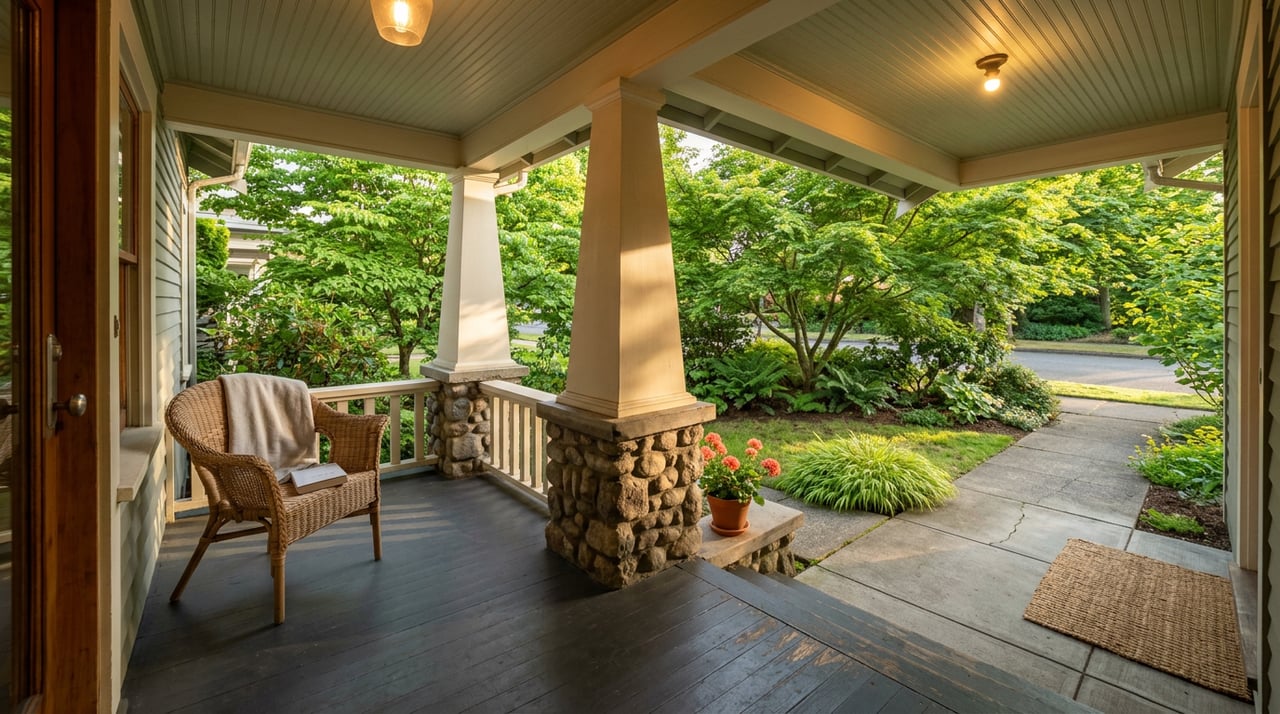
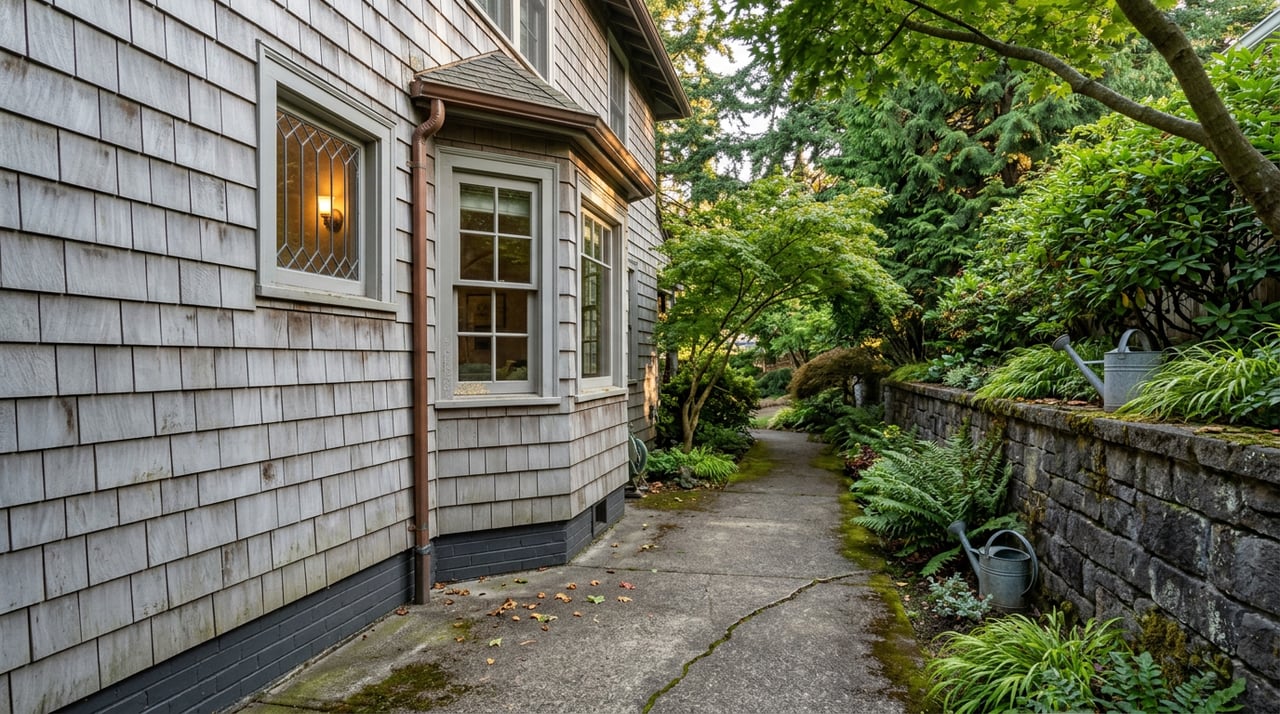
Bridle Trails is not just another leafy Eastside neighborhood. The City of Kirkland describes it as having a rural, pastoral feel with large forested areas and an equestrian character set within an urban location. That combination is a big part of why it continues to attract buyers looking for something more distinct than a typical suburban setting.
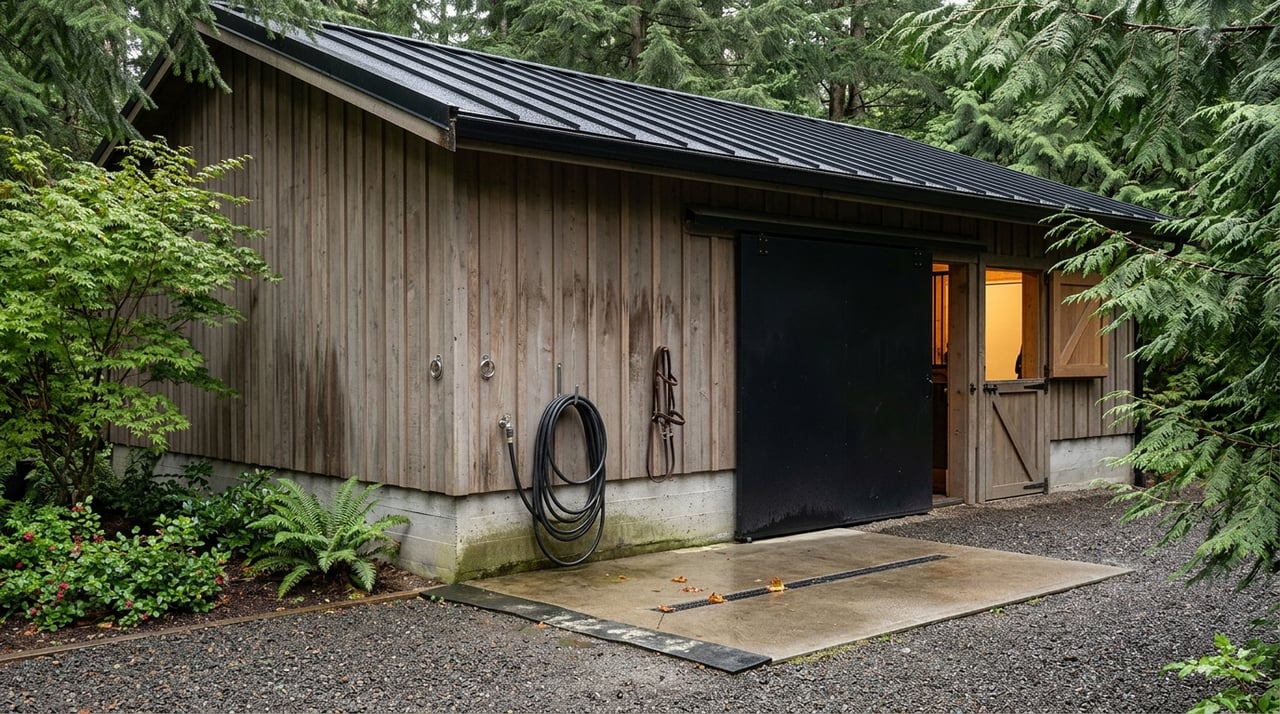
Its identity is closely tied to Bridle Trails State Park and the neighborhood’s long history of horse riding and horsekeeping. City and Washington State Parks sources note that homes near the park historically often included barns and paddocks, which helped shape the area’s reputation as an equestrian neighborhood. Even today, that history still influences how the area is planned and how many buyers experience it.
The neighborhood also offers practical access to the rest of the region. Kirkland’s neighborhood plan points to transit, I-405, the South Rose Hill greenway, the Cross Kirkland Corridor, regional bike trails, and the Houghton Park and Ride as reasons the area remains convenient for reaching major job centers.
Bridle Trails equestrian lifestyle
For many people, the biggest draw is simple: this is one of the Eastside’s most recognizable places to live near horses, trails, and open wooded space. The lifestyle here can feel more relaxed and outdoors-oriented than in many nearby neighborhoods, even though you are still close to everyday services.
At the center of that lifestyle is Bridle Trails State Park. Washington State Parks describes the park as roughly 480 to 490 acres between Kirkland and Redmond, with trail access for equestrians, hikers, walkers, and runners. The park also includes four horse arenas, pull-through horse-trailer parking, and space for horse shows, organized rides, and other equestrian events.
This is important if you are trying to picture daily life here. The park supports horse use, but it is not horse-only. It is better understood as a shared-use outdoor space with equestrian priority, which means riders, walkers, and runners all use the trail system.
What to know about the trails
Washington State Parks lists three signed trail loops in Bridle Trails State Park:
- Raven Trail: 1 mile
- Trillium Trail: 1.7 miles
- Coyote Trail: 3.5 miles
The park is day-use only. Horses have the right of way on the trails, dogs must be leashed, and bicycles and motorized vehicles are not allowed on the trails.
If you are considering a home nearby, these rules matter because they shape the pace and feel of the park experience. You are not buying next to a high-speed recreation corridor. You are buying near a trail environment that prioritizes horses and a quieter kind of outdoor use.
Equestrian amenities beyond the park
The horse lifestyle in Bridle Trails extends beyond the park boundaries. Kirkland’s neighborhood plan identifies commercial equestrian stables south of NE 60th Street between the park and Bridlewood Circle, along with additional stables on 116th Avenue NE.
The plan also highlights the importance of public access easements and directional signs to the park. In addition, it names the Lake Washington Saddle Club and the Bridle Trails Park Foundation as part of the area’s ongoing equestrian culture. For buyers, that means the neighborhood’s horse identity is supported by both public infrastructure and long-standing local organizations.
Nearby home options in Bridle Trails
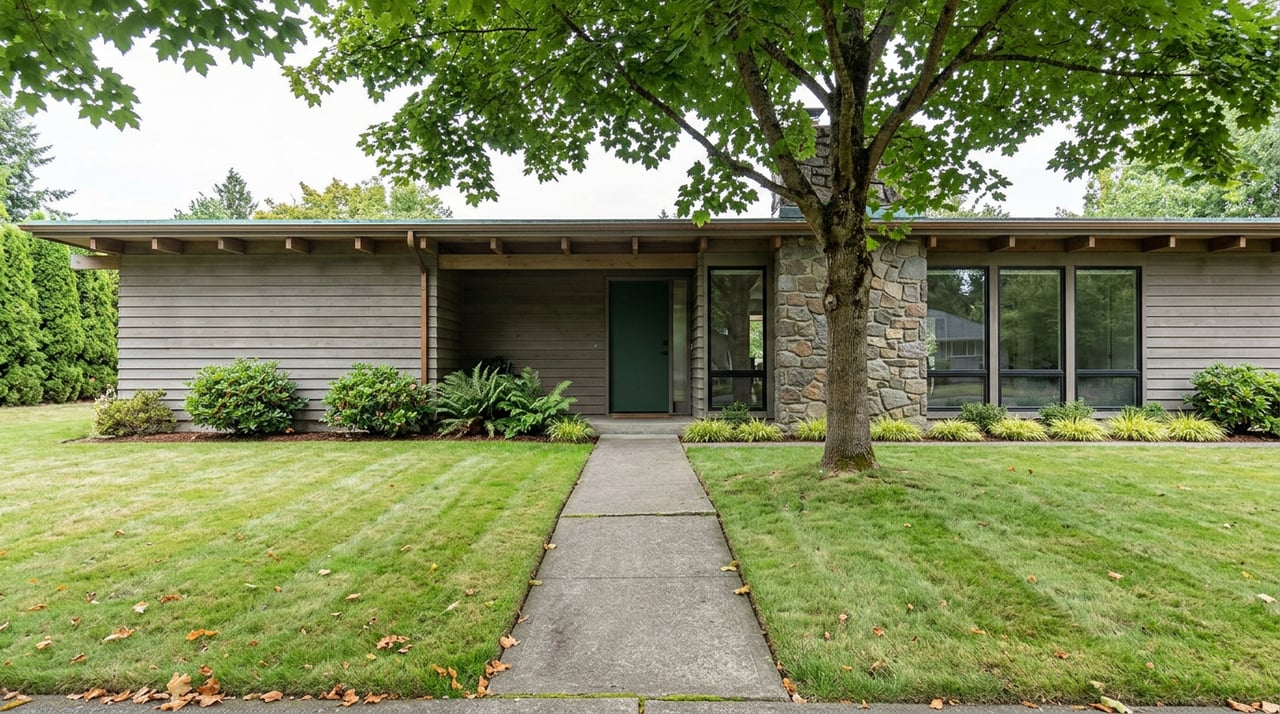
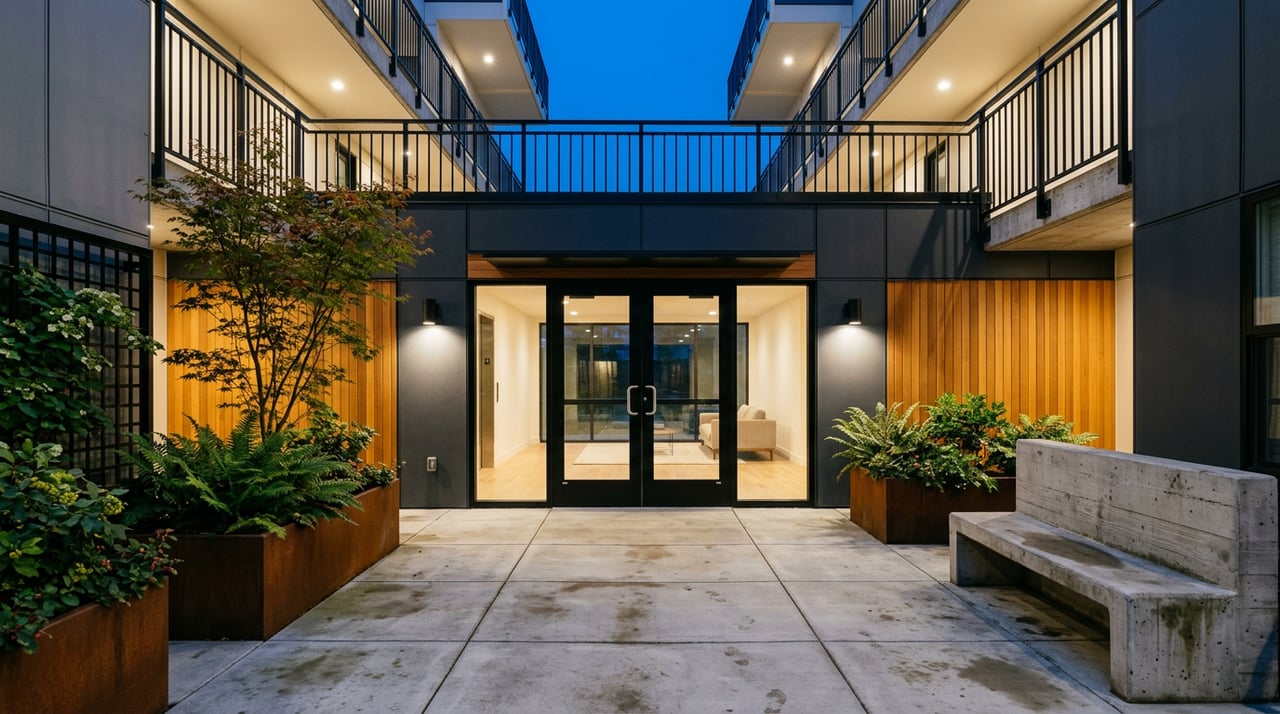
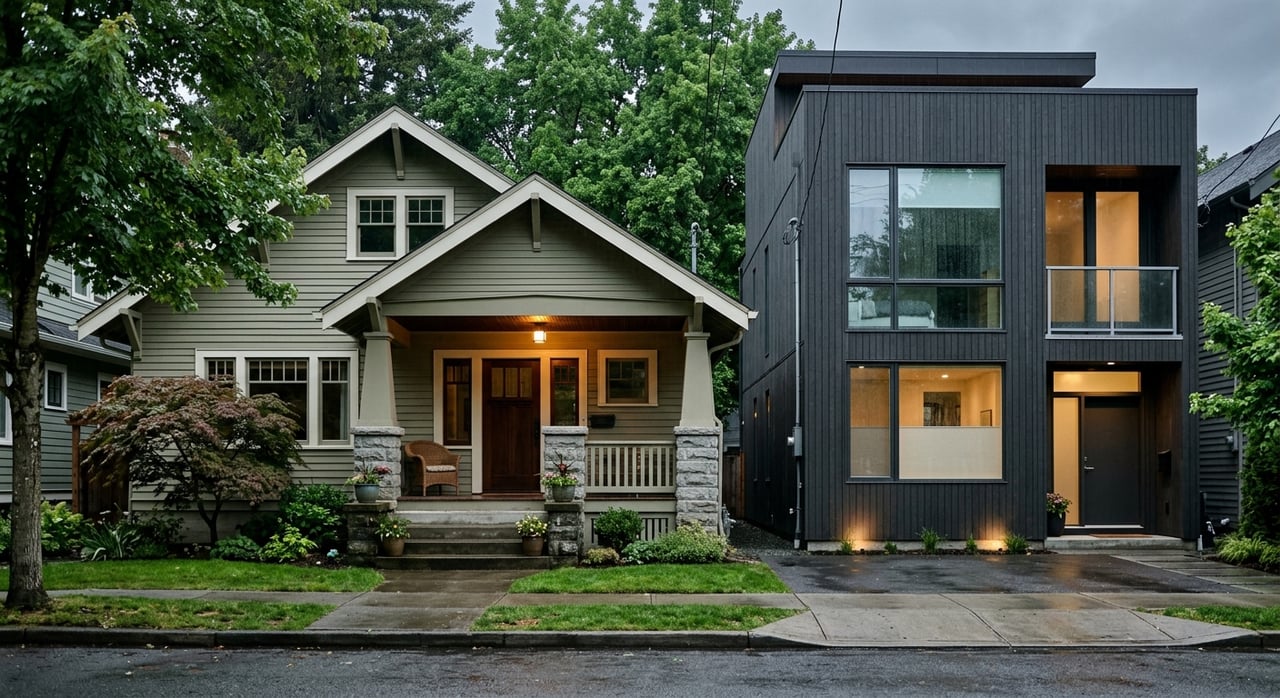
One of the most useful things to know before you start your search is that Bridle Trails does not offer one single housing type. The neighborhood plan supports a mix of home patterns, with some areas focused on larger lots and horse-capable properties, and others allowing more compact housing near neighborhood services.
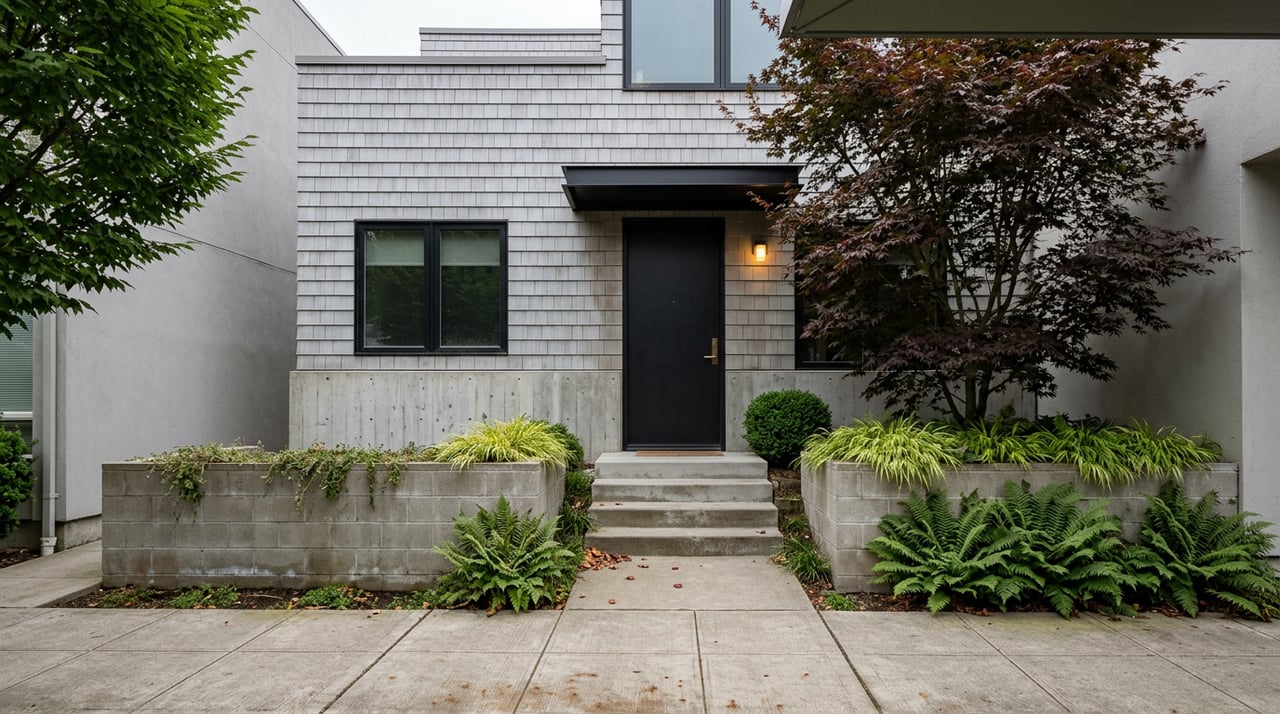
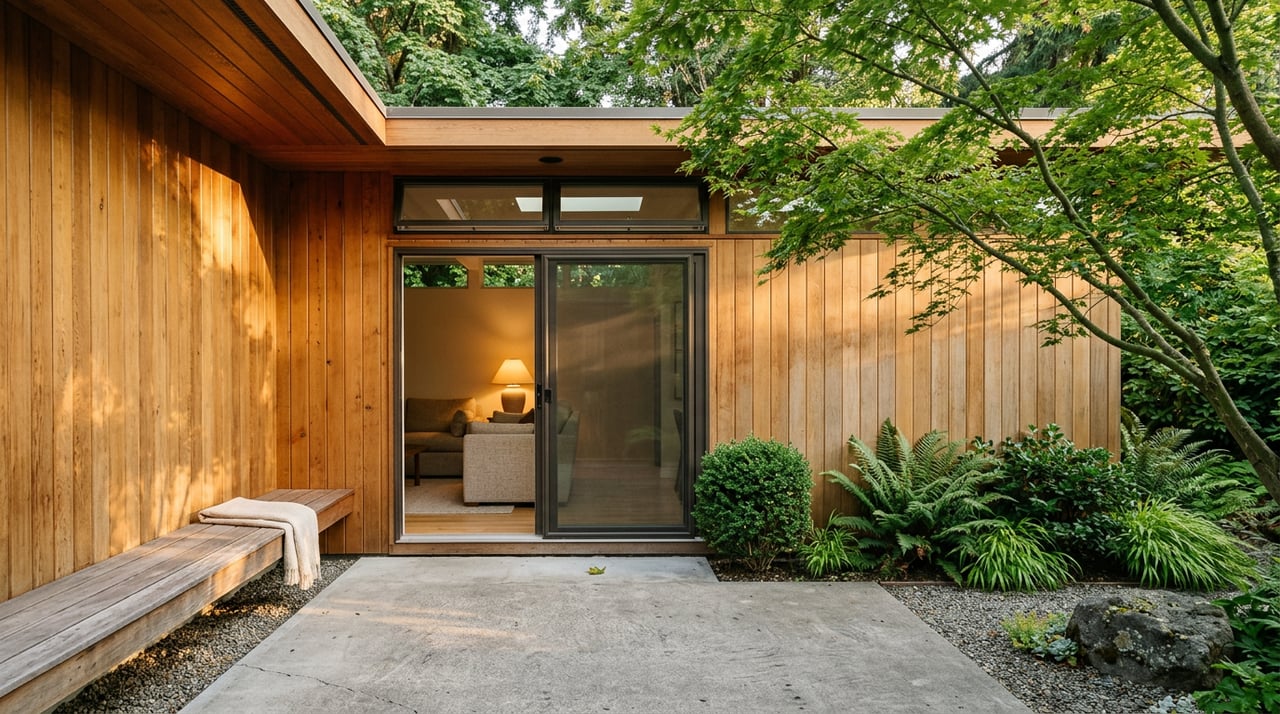
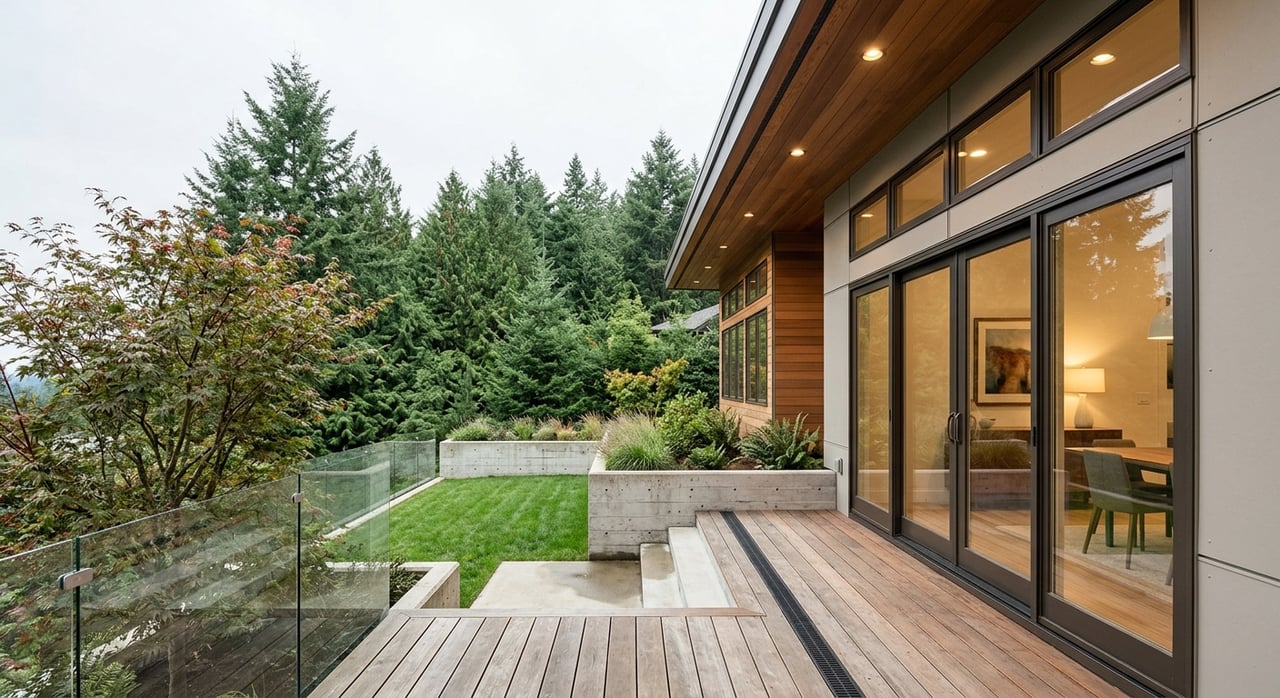
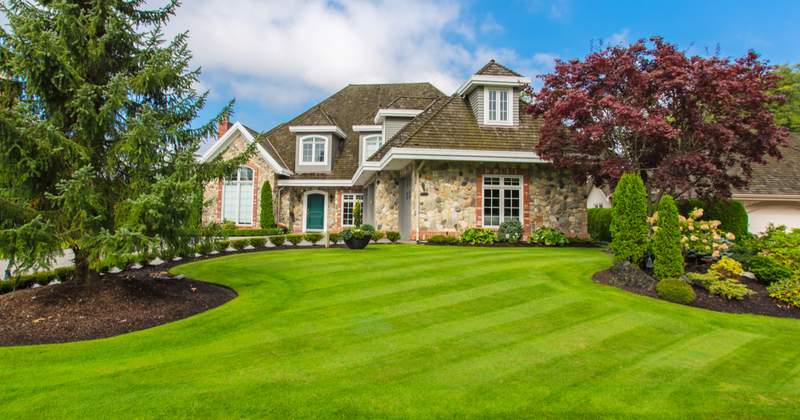
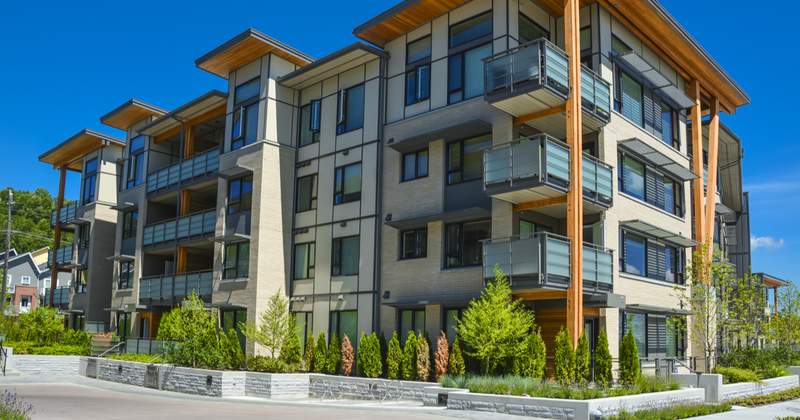
That gives buyers a broader range of options than the equestrian reputation alone might suggest. You may find a property that supports horsekeeping, a home near the park with more land and privacy, or a more compact option near the shopping center if you want the setting without the maintenance of a larger parcel.
Larger-lot homes near the park
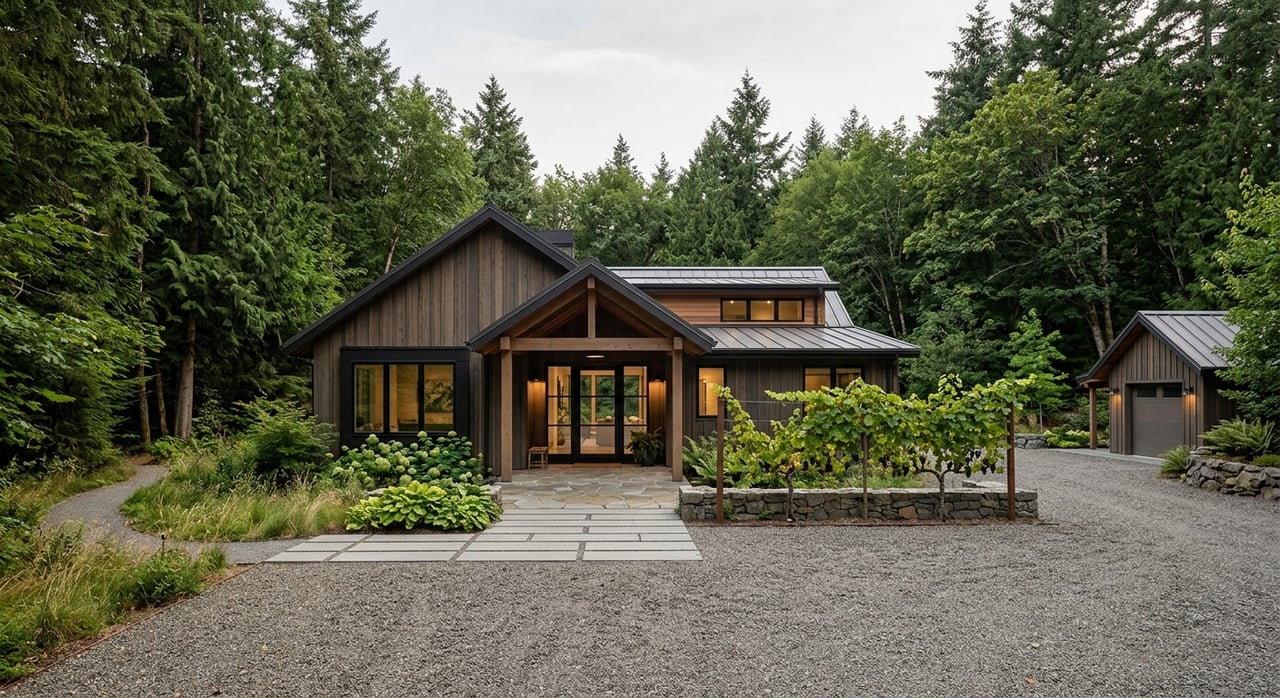
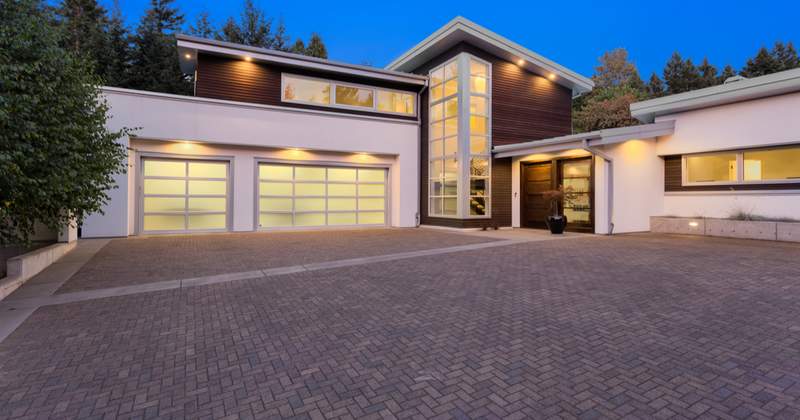
Areas south of NE 65th Street, surrounding the park and east of 132nd Avenue NE, are intended to remain lower density with larger lots. According to the City of Kirkland, these areas are meant to preserve the ability to keep horses and other large animals.
For buyers who want the most traditional Bridle Trails feel, this is often the clearest fit. These properties may offer more space for outbuildings, paddocks, or simply more separation from neighboring homes. They also tend to align most closely with the neighborhood’s historic horsekeeping pattern.
Compact housing near the shopping center
Closer to the Bridle Trails Shopping Center, the neighborhood plan encourages accessory dwelling units, cottage development, and other more compact housing forms. It also supports somewhat denser residential and office uses that transition toward the commercial core.
That matters if you love the neighborhood setting but do not need acreage. In practical terms, this creates home options for buyers who want access to Bridle Trails without taking on the cost or maintenance of a horse-capable lot.
Mixed equestrian and residential pockets
The neighborhood plan also identifies Planned Area 16 as a mixed-use equestrian zone with residential and tennis-club uses. This area allows one dwelling unit per acre in the eastern portion and two dwelling units per acre in the western portion, along with ancillary stables and pastures.
This adds another layer to your search. Instead of thinking about Bridle Trails as either large horse properties or standard residential housing, it is more accurate to think of it as a neighborhood with several housing patterns shaped by location, zoning, and long-standing equestrian use.
Can you keep horses on any property?
No, and this is one of the most important details to verify early. Horsekeeping is not automatic on every lot in Bridle Trails, even though the neighborhood is known for its equestrian character.
The City of Kirkland says two horses are allowed on certain RS 35 and RSX 35 Bridle Trails properties. Additional horses may be allowed only on qualifying larger lots when the parcel is more than 35,000 square feet and includes an extra 3,000 square feet of paddock area for each additional horse. Smaller lots generally require a land-use permit.
If horsekeeping is part of your plan, you will want to review the specific property conditions before making assumptions. A neighborhood reputation is helpful, but your actual use depends on the lot, zoning, and city requirements.
Who Bridle Trails works well for
Bridle Trails can appeal to more than one type of buyer. If you are an equestrian or want to live near a horse-centered trail network, the neighborhood offers a rare Eastside setting with a long-established identity and infrastructure to support that lifestyle.
It can also work well if you simply want a more natural, lower-density feel with access to outdoor recreation. Because the park serves walkers, runners, and hikers too, many buyers are drawn to Bridle Trails for the trees, trails, and pace of life rather than for horsekeeping itself.
And if you need regional access, the neighborhood’s connections to I-405, transit, and nearby bike and greenway routes can make it practical for daily routines. That blend of lifestyle appeal and convenience is part of what makes Bridle Trails such a specific niche within Kirkland.
How to evaluate homes near Bridle Trails
If you are narrowing your options here, it helps to use a simple decision framework. Not every home in or near Bridle Trails will deliver the same experience.
Focus on these questions first:
- Do you want direct access to the park lifestyle, or just to live nearby?
- Do you need a larger lot, or would a more compact home fit better?
- Is horsekeeping essential, or is trail access enough?
- How important is quick access to shopping, transit, or I-405?
- Are you comfortable maintaining a larger wooded parcel if you buy one?
These tradeoffs matter because Bridle Trails has more variety than many buyers expect. The right fit depends less on the neighborhood name alone and more on how the property matches your daily habits and long-term plans.
Buying strategy in a niche neighborhood
In a neighborhood with specialized appeal, preparation matters. If you are competing for a well-located property near the park or a larger lot with horse potential, it helps to understand the exact use case you are paying for.
That means looking beyond square footage and bedroom count. You also want to assess lot configuration, proximity to trail access, surrounding land patterns, and whether the home aligns with the lifestyle you actually want. A disciplined search process can help you move faster when the right opportunity appears and avoid overpaying for features you may not use.
If you are weighing your options in Bridle Trails or elsewhere on the Eastside, local guidance can make the process more efficient and less stressful. To talk through neighborhood fit, property strategy, or your next move, schedule a free consultation with Mary Lee & Associates.
FAQs
What is the Bridle Trails lifestyle in Kirkland like?
- Bridle Trails offers a rural, pastoral feel within an urban setting, with large forested areas, equestrian character, and access to shared-use trails and neighborhood services.
What trails are available at Bridle Trails State Park?
- Washington State Parks lists the Raven Trail at 1 mile, the Trillium Trail at 1.7 miles, and the Coyote Trail at 3.5 miles.
Can you keep horses on all Bridle Trails properties?
- No. The City of Kirkland says horsekeeping is allowed on certain properties under specific lot size and paddock requirements, and smaller lots generally need a land-use permit.
What kinds of homes are near Bridle Trails in Kirkland?
- Home options include larger-lot properties near the park, mixed equestrian and residential areas, and more compact housing forms closer to the Bridle Trails Shopping Center.
Is Bridle Trails only for horse owners?
- No. Bridle Trails State Park also serves hikers, walkers, and runners, so the neighborhood can appeal to buyers who want outdoor access even if they do not keep horses.
Is Bridle Trails convenient for commuting around the Eastside?
- Yes. Kirkland’s neighborhood plan points to transit, I-405, the South Rose Hill greenway, the Cross Kirkland Corridor, regional bike trails, and the Houghton Park and Ride as key regional access points.